



A missing automation part can turn a routine purchase into a recovery problem. The useful question is not simply how quickly a parcel can move: it is whether the correct hardware, the stock position, the release date and the delivery route can be confirmed together. This guide follows five checks in order—supply disruption, lead time, inventory, customs and global transport—to help maintenance and procurement teams prepare a workable dispatch brief.
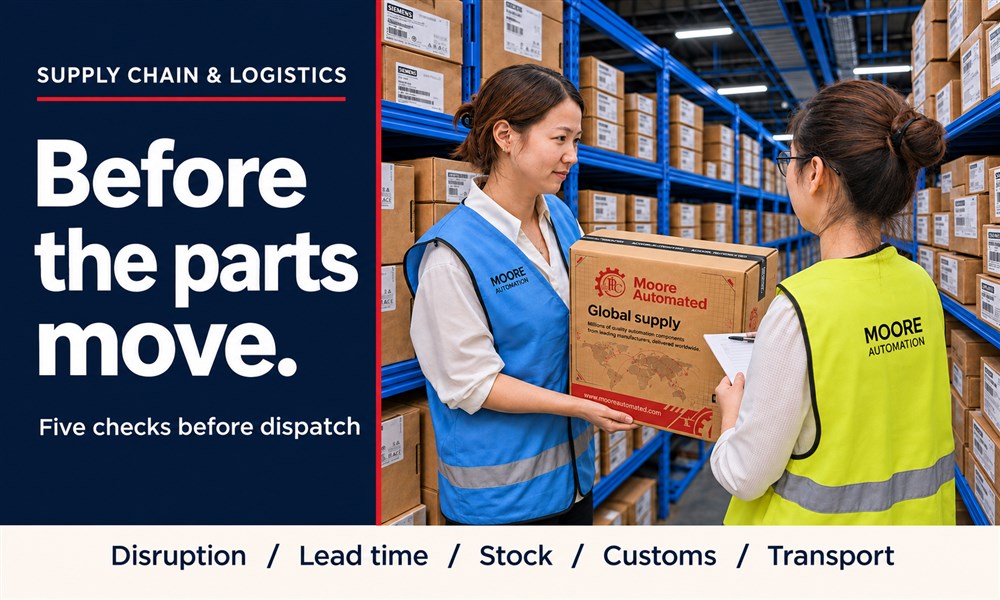
Define the recovery problem before searching.
Supply disruption can mean an unavailable model, a withdrawn delivery promise or a gap between the part offered and the part installed. Start by separating the maintenance objective from the purchasing request. Which function is affected? Which item is critical? Who can approve the hardware?
For a discontinued or scarce reference, keep the full model, suffix, revision and application together. Ask the maintenance team whether only an exact replacement is acceptable or whether an alternative may be reviewed. A proposed substitute needs engineering approval for the installed application.
Agree the critical items and the acceptance contact. If only part of the list is available, decide whether a split release is useful before paying for additional freight.
Put each date in its own field.
“Ready soon” leaves too much room for different assumptions. Use separate fields for the required-on-site date, expected release date, carrier collection and estimated arrival. Ask what still has to happen before the parcel can leave: sourcing, inspection, payment release, packing or document approval.
Required on site
When maintenance needs the item at the destination.
Expected dispatch
When the agreed shipment is expected to enter the carrier’s custody.
Estimated arrival
Transport and border-processing assumptions for the selected service.
Moore Automated’s published shipping policy separates dispatch from transit and requires written confirmation for urgent same-day dispatch. Use the quotation to record the applicable timing instead of treating a general website statement as an order commitment.
Turn a stock claim into a specific offer.

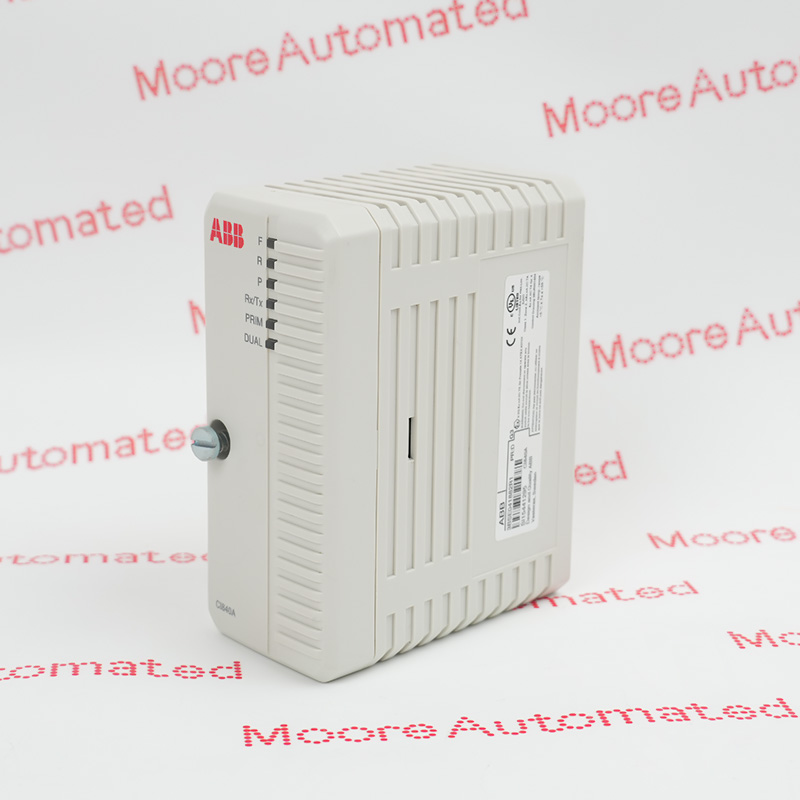
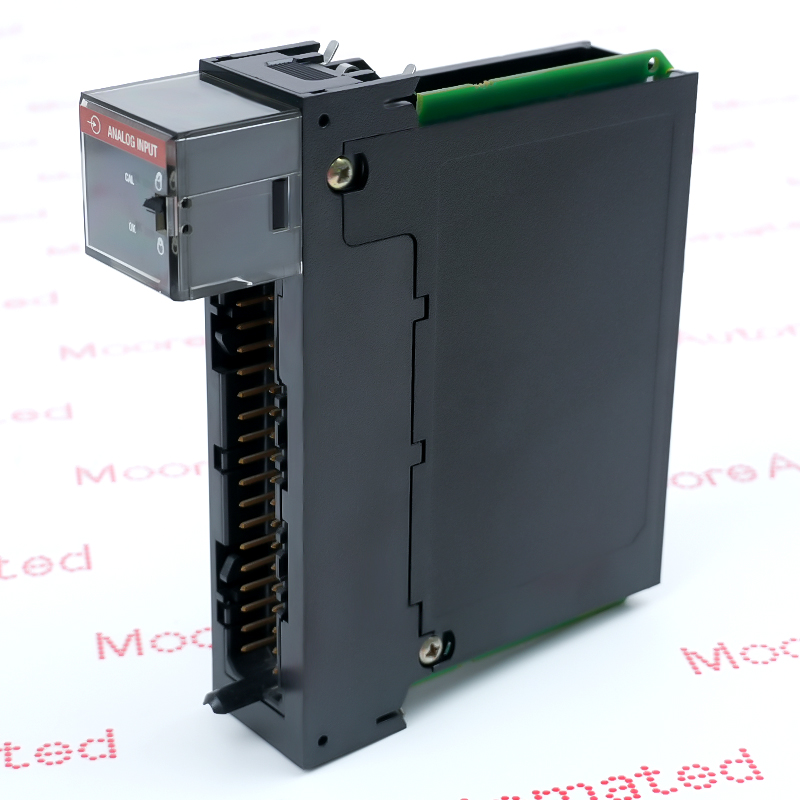
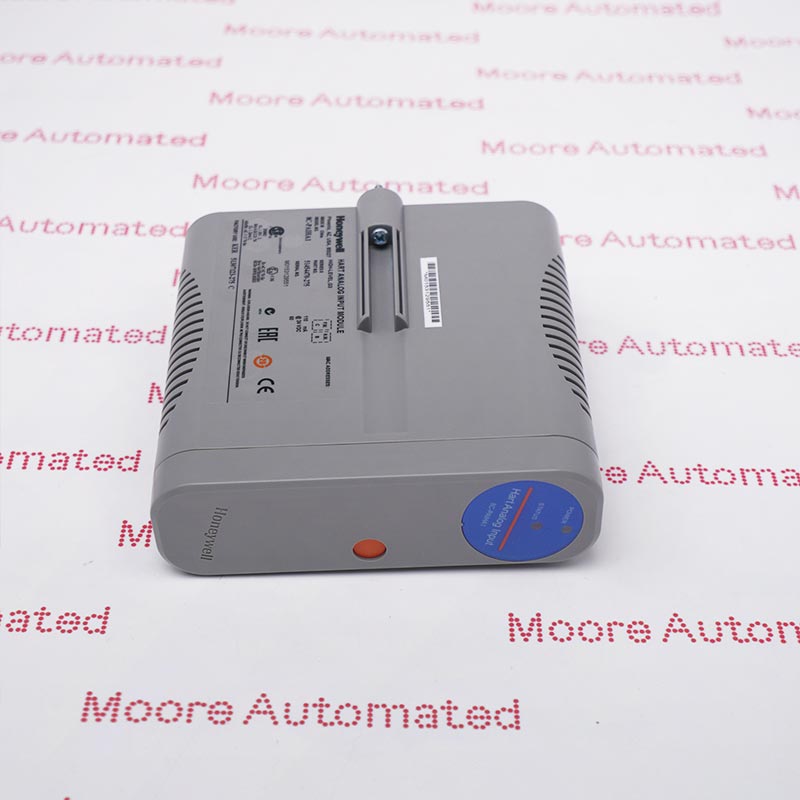
Ask which unit is being offered, where it is held and whether the quantity can be reserved for your order. A model page or product photograph helps you recognise the reference; it does not reserve a unit.
- Identity
- Complete model, revision and any agreed configuration restrictions.
- Condition
- The stated condition, visible photographs and available inspection scope.
- Release
- Reservation terms, quantity and outstanding steps before handover.
Moore Automated can be approached with the hardware requirement and delivery deadline in one brief. Keep the item-level confirmation with the quotation so procurement, maintenance and the receiving team work from the same information.
Make the documents describe the same shipment.
The U.S. International Trade Administration identifies the importer or freight forwarder as a starting point for confirming export-shipment document requirements. Its guidance distinguishes the commercial invoice, packing list and transport documents; a packing list does not replace an invoice.
Check the goods description, parties, quantity and declared transaction information.
Match the carton count, contents, weights and dimensions to the packed shipment.
Reconcile the consignee and destination with the selected carrier or forwarder.
Use one item list to reconcile these records, and request destination-specific documents before release. Confirm requirements with the importer, broker or forwarder; this article is a preparation guide rather than a destination-specific customs determination.
Choose a route that fits the actual release.
A transport option is useful only when it connects the available unit with the receiving site’s deadline. Review the collection location, parcel dimensions, destination, inspection completion and available service together. A customer-appointed carrier may also need collection instructions and a named handover contact.
Compact, time-sensitive parts
Discuss the service and cut-off for the packed item. Confirm tracking and the receiving contact.
Larger or coordinated shipments
Discuss the packing, collection arrangements and documentation required for the agreed route.
Moore Automated’s policy supports different carrier arrangements, including an approved customer carrier account. The applicable costs, responsibilities and estimates belong in the written order terms. Agree who will monitor progress and who will respond if a milestone changes.
A release record both teams can use.
Bring the decisions together before collection. This is a suggested coordination record, not a claim that any particular order has passed these checks.
PARTFull code · agreed condition · acceptance contact
STOCKQuantity · location · reservation
TIMERelease estimate · collection · required arrival
DOCUMENTSItem list · invoice · packing information
TRANSPORTCarrier · destination · handover contact
FOLLOW-UPTracking owner · receiving contact · update channel
A closer look before the logistics discussion.
This GE IS200DSPXH1DBC product video comes from the supplied Moore Automated YouTube channel. It provides visual hardware context for a model-specific enquiry; it is not a packing demonstration, stock reservation or functional-test certificate.
Start with the complete installed model.
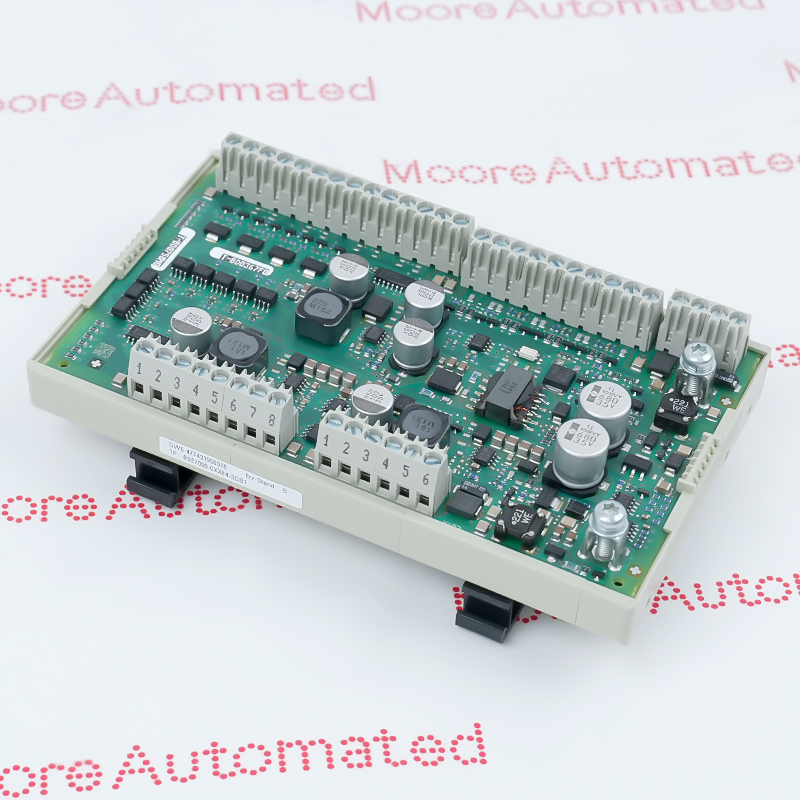
Six catalogue references for a sourcing brief. Photographs are taken from the linked product pages; these cards do not confirm present stock or suitability for a particular installation.

See the milestone that was actually achieved.
Inspection, then next-day collection.
The published case describes hardware inspection followed by collection for on-machine testing. Collection is the recorded milestone; it is not proof of an international arrival time or restored production.
Read the case DUBAI / GE CONTROL CARDSInspection before commercial commitment.
A buyer visits May in Xiamen to examine GE gas-turbine control cards. The case records supplier and hardware evaluation, with payment, collection and dispatch still pending.
Read the caseQuestions to settle before release.
What should I send first when a missing part is stopping production?
Send the full part number, suffix, clear label photos, quantity, installed system, destination and required-on-site date. Explain the failed function and identify the person who can approve the proposed hardware.
Is an available unit automatically reserved for my order?
No. Ask which exact unit and quantity are being offered, whether the stock is held, and how long the reservation remains valid. Confirm any changes before releasing the order.
Does a fast courier service guarantee the part will reach my plant on time?
A carrier service is one stage of the route. Order release, agreed inspection, packing, customs processing and final delivery also affect arrival. Record the dispatch estimate and the delivery estimate separately.
Can an urgent order be split into more than one shipment?
Ask whether available critical items can be released separately. Compare the extra freight and receiving work with the maintenance priority, and agree the contents and documents for each shipment.
Which shipment details should be checked for customs preparation?
Ask the importer, broker or forwarder to confirm the destination requirements. Check that the invoice, packing information and transport record describe the same shipment. Additional documents depend on the goods and route.
Can a product video replace inspection of the unit I will receive?
No. A catalogue video can help you recognise a hardware family, but it does not establish current stock, reservation, condition, functional performance or compatibility of a specific unit.
Have the model.
Need a clearer delivery plan?
Send the full part number, label photos, revision, quantity, required condition, destination and required-on-site date. Mention this five-check guide so the hardware and delivery questions can be reviewed together.
Request a sourcing and dispatch reviewWhere the guidance comes from.
- International Trade Administration — Common Export Documents. Document categories and the role of importer or forwarder confirmation.
- Moore Automated — Shipping Methods. Published service scope and order-specific dispatch, carrier and handover arrangements.
- Moore Automated — product pages, case records and the @windyguo-s2v YouTube channel. Linked model photographs, stated case milestones and the embedded hardware video.
Published and sources checked: 5 November 2026. Author: Miya Zheng, Sales Director. The website’s fixed author panel provides her biography and personal profile.
Technical reviewer: Miya Zheng, Sales Director. Status: pending technical review. Review date: not yet recorded.
The five-check workflow is Moore Automated’s editorial coordination framework. It is not a record of a completed shipment. Product suitability, availability and delivery commitments require confirmation for the actual order.













Leave Your Comment