



Keep useful equipment.
Question wasted resources.
Sustainable manufacturing connects the way a plant uses energy with the way it maintains, replaces and retires equipment. A better spare-parts decision starts with the installed asset and the evidence behind the next intervention.

Start with energy per useful output.
The U.S. Department of Energy’s motor-system resources bring together efficiency assessment, motor selection, drive-system performance and maintenance guidance. They support a system-level review: assess the load and operating requirement alongside the individual component. [1]
For maintenance teams, a practical first step is to identify where the process consumes energy without producing the required service. Review actual operating schedules, load conditions and the site’s maintenance findings. A fault repair and an efficiency project can overlap, but each needs its own acceptance measure.
Record the unit, measurement interval and production boundary. Compare equivalent output and operating conditions; a smaller electricity bill during lower production does not establish higher efficiency.
When an automation module needs replacement, record its effect on the process separately from any energy result. A restored communication link or input channel is an operational outcome. Claim a saving only when the relevant system measurements support it.
Preserve the function, with a planned next step.
The EPA identifies longer product use, reuse and refurbishment as elements of electronics life-cycle management. [2] In an industrial setting, continued use should also remain compatible with the equipment owner’s technical and operating requirements. Age alone does not decide whether a system should remain in service.
Support the existing function.
Identify the exact failed or vulnerable component. Keep drawings, program backups, model suffixes and revision information together. Confirm the replacement and its acceptance checks before releasing the order.
Decision record: what must stay compatible?Make a limited extension deliberate.
If a suitable legacy spare can support a defined operating period, connect that purchase to an agreed maintenance or migration plan. Record storage conditions, support availability and the next review date.
Decision record: how long is support needed?Replace when the wider case supports it.
Compare continued maintenance with an engineered change when support gaps, operating inefficiency or site requirements make the present route unsuitable. Include reconfiguration, commissioning and acceptance work in the comparison.
Decision record: what improves, and how is it checked?Give each removed item a documented destination.
EPA describes reuse and refurbishment as routes that extend electronics’ useful life; recycling recovers materials from items entering that process. These activities have different outputs. [2] An item placed on a shelf for possible future use is not automatically a verified spare or a recycled product.
Only 22.3% was documented as properly collected and recycled, according to the Global E-waste Monitor 2024. These are global figures for 2022, not Moore Automated’s performance or a current-year plant estimate. [3]
| Possible destination | Evidence before handover |
|---|---|
| Return to serviceable spares | Complete identity, condition, agreed checks, storage requirements and a responsible acceptance contact. |
| Repair or refurbishment evaluation | Recorded fault, defined work scope, repair provider, post-work acceptance evidence and the item’s resulting condition. |
| Redeployment for another approved use | A defined receiving application, compatibility review, ownership record and controlled configuration or data handling. |
| Responsible recycling | Segregated item record, site-approved provider, applicable handling requirements and a documented collection or treatment handover. |
This decision table is editorial procurement guidance. Local classification and waste-management requirements should be checked for the actual item and destination; this article does not establish legal eligibility for shipment.
One sourcing brief can prevent a second round of guessing.
Full model and suffix, label photographs, revision or firmware, installed role and the neighbouring system.
Required condition, included accessories, inspection or test scope, warranty terms and the person approving the installation.
Reservable quantity, written dispatch conditions, destination and required-on-site date. Separate shipment timing from arrival.
State whether it is retained for assessment, redeployed or sent through the site’s retirement process.
Moore Automated can organise an exact-model sourcing enquiry and the requested product-evidence questions. Item condition, availability and services are confirmed in the quotation. This article does not claim an in-house recycling service or a product-specific environmental certification.
See the details that a family name leaves out.
This Siemens OP17 panel video from Moore Automated’s supplied YouTube channel offers a visual identification reference for an installed-system review. Match its full code, 6AV3617-1JC20-0AX1, to the application record. The video does not establish current stock, functional test results or an energy-saving outcome.
Continue with the installed part.
These examples support model-specific enquiries. They are not a universal upgrade list or a claim that any product delivers a particular environmental benefit.
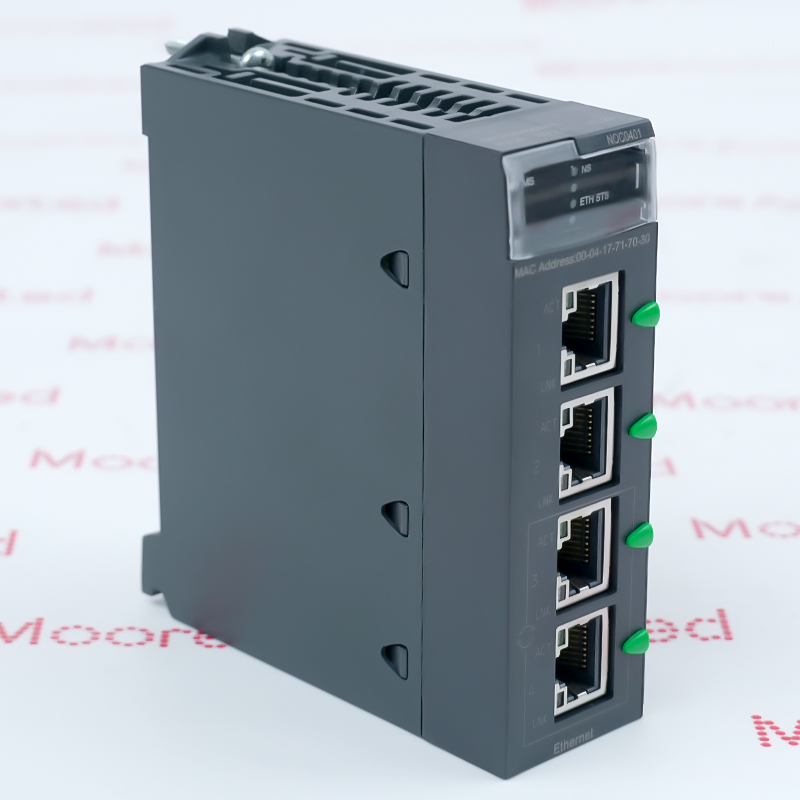
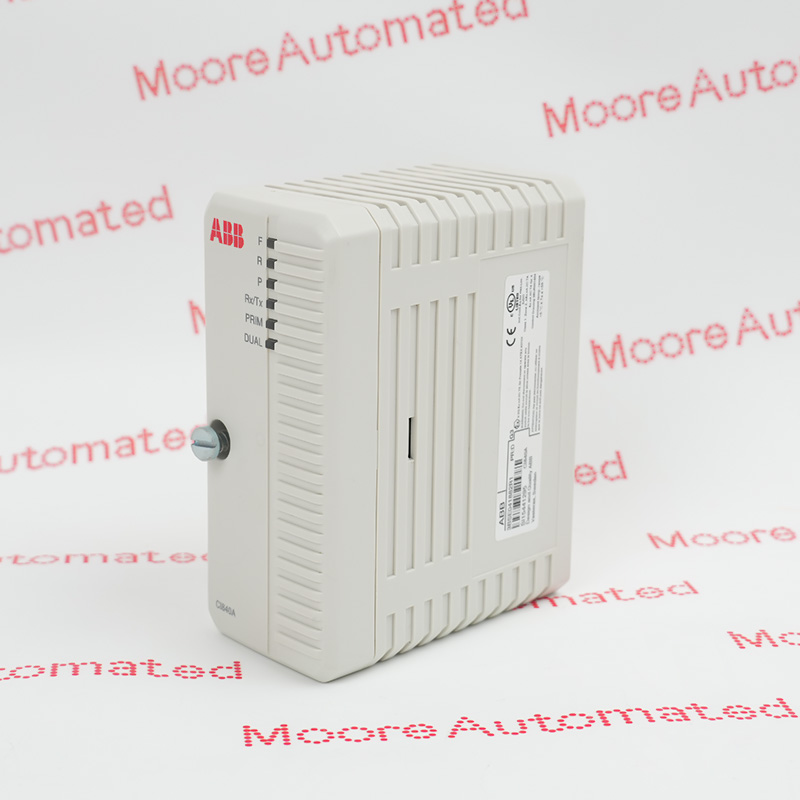
BMXNOC0401
Record the complete communication-module identity, installed controller, network settings and project backup before a replacement review.
View product details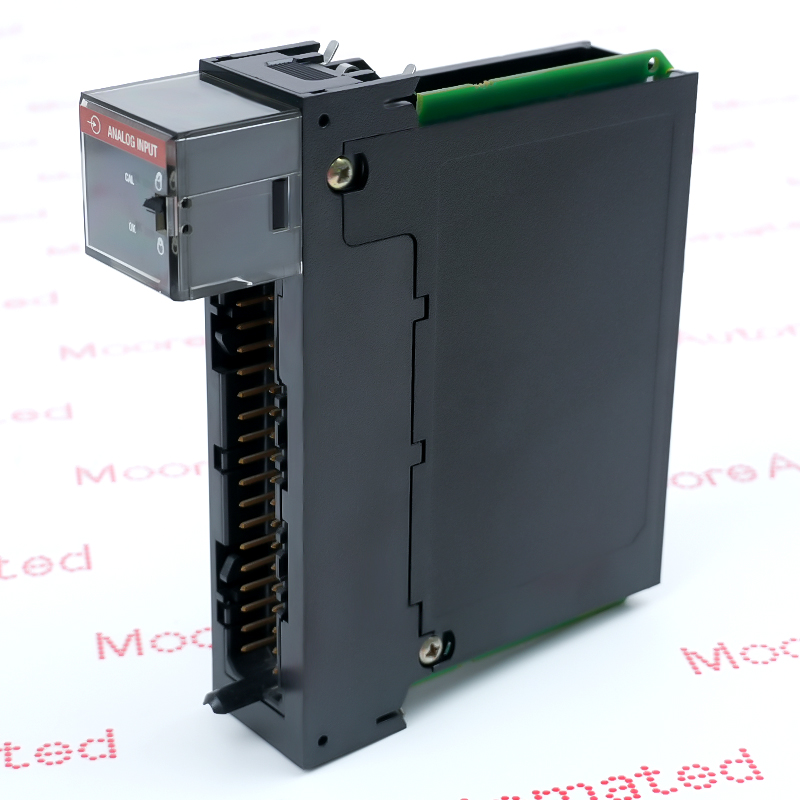
1756-IF16
Keep the exact analog-input reference, configured signal role, receiving system and acceptance requirements together.
View product details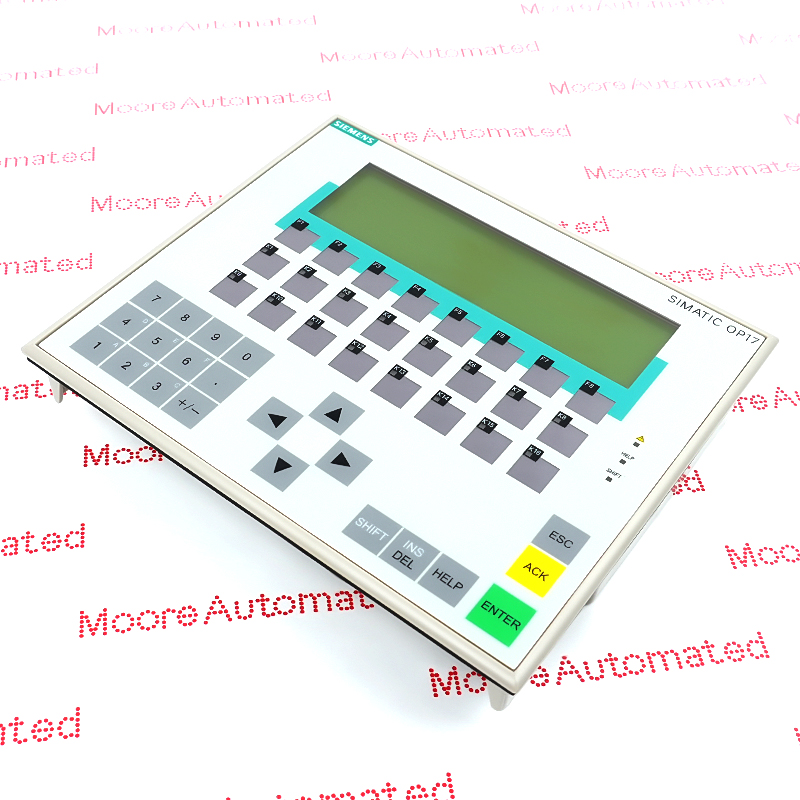
6AV3617-1JC20-0AX1
Retain the full OP17 order code, project archive, communication interface and installation dimensions.
View product detailsRead the verification record before assuming an outcome.
Two company visits during one stay in Xiamen.
A Qatar buyer reviewed GE Fanuc PLC hardware and supplier capability with Myrtle. The published milestone is supplier and hardware evaluation, not completed payment or collection.
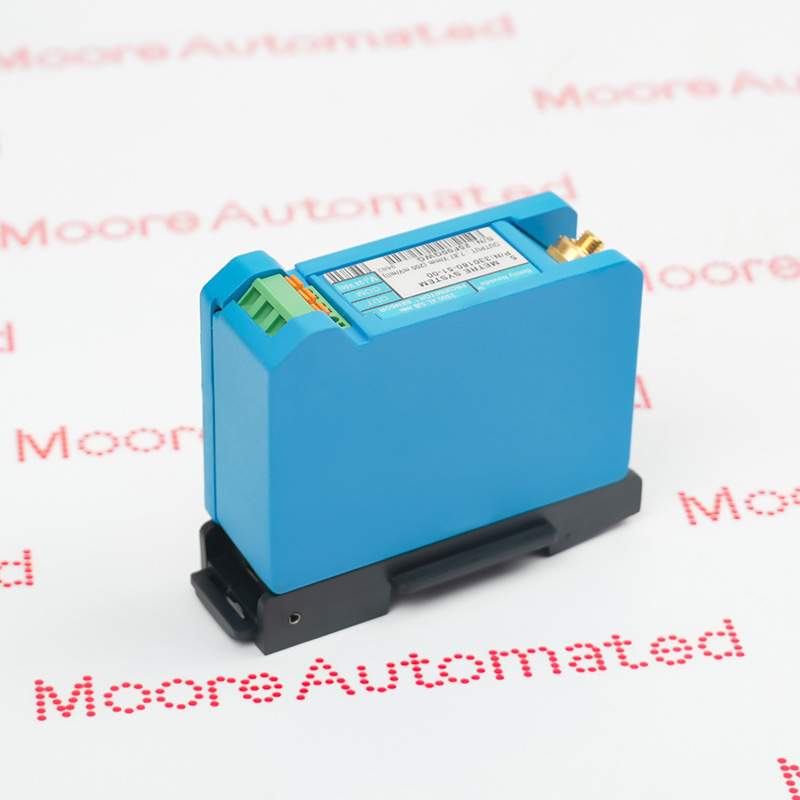
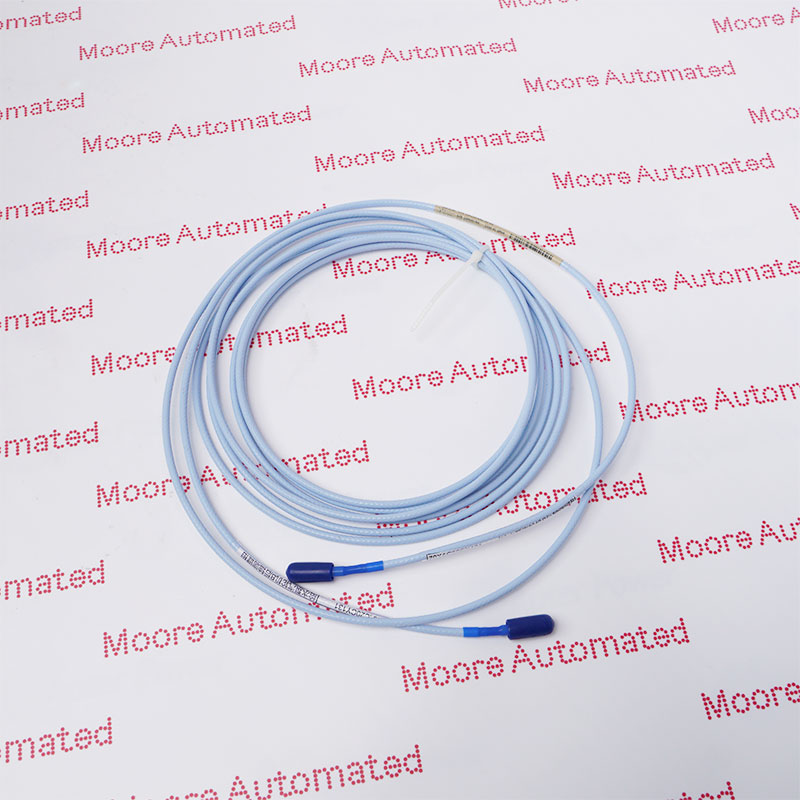
BENTLY NEVADA / ON-SITE REVIEWA Thai customer reviews 3300 XL hardware.
See how an in-person review connects probes, cables and related hardware with the customer’s requirement.
These records illustrate identification and procurement evidence. Neither is presented as a measured energy, carbon or waste-reduction case.
Questions behind a responsible maintenance decision.
Does replacing an automation spare part automatically save energy?
No. Restoring a failed function may improve reliability, but an energy-saving claim needs comparable measurements. Record energy use, useful output and operating conditions before and after the intervention.
When is extending the life of an old control system reasonable?
Consider continued support when the system can still meet the site’s technical, safety and operational requirements and suitable spares and expertise remain available. Compare that route with a planned upgrade, including operating energy, support risk and acceptance work.
Are reused and refurbished parts the same?
No. Reuse means using an item again; refurbishment describes work performed to restore or update it. Ask for the actual condition, work history, inspection scope and warranty terms. A catalogue photograph alone does not establish any of these.
Can a similar-looking module be used as a circular replacement?
Appearance is insufficient. Confirm the complete model, revision, interfaces, software or firmware constraints, installed role and required acceptance evidence. Changes require approval from the equipment owner’s responsible team.
Can Moore Automated certify the carbon savings of a replacement?
This article provides no product-specific carbon certificate or emissions-saving estimate. A defensible calculation needs an agreed life-cycle boundary, reliable inventory data and a defined comparison. The article’s case links document buying and verification activity, not environmental savings.
What should happen to an item that cannot be safely reused?
Keep it identified and segregated from serviceable stock. Ask the site’s approved waste-management provider about applicable classification, data handling and collection arrangements, and retain the handover record. Reuse proposals must not bypass waste controls.
Bring the asset history into the parts enquiry.
Send Miya’s team the complete reference, installed-system information, required condition and delivery constraint. Add the maintenance objective so the enquiry stays connected to the equipment’s next planned use.
Prepare a maintenance spares enquiryThe email draft carries this article’s subject and requested fields. Use the website contact page for other contact options.
Evidence behind the guidance.
- U.S. Department of Energy — Motor Systems
Motor-system performance, efficiency assessment and maintenance resources. - U.S. EPA — Electronics Basic Information, Research, and Initiatives
Life-cycle management, reuse, refurbishment and recycling context. - ITU / UNITAR — The Global E-waste Monitor 2024
Global 2022 waste and documented collection/recycling data, published in 2024. - Moore Automated — linked product and case records, supplied company photographs and the @windyguo-s2v YouTube channel. These sources support product identity and stated case milestones.
Published and sources checked: 3 November 2026. Author: Miya Zheng, Sales Director; biography and profile are in the website’s author panel.
Technical reviewer: Miya Zheng, Sales Director. Status: pending technical review. Review date: to be entered after completion.
Sections describing procurement records and decision routes are Moore Automated’s editorial interpretation of the cited context. No plant-specific engineering approval, environmental certificate or quantified savings claim is provided.










Leave Your Comment