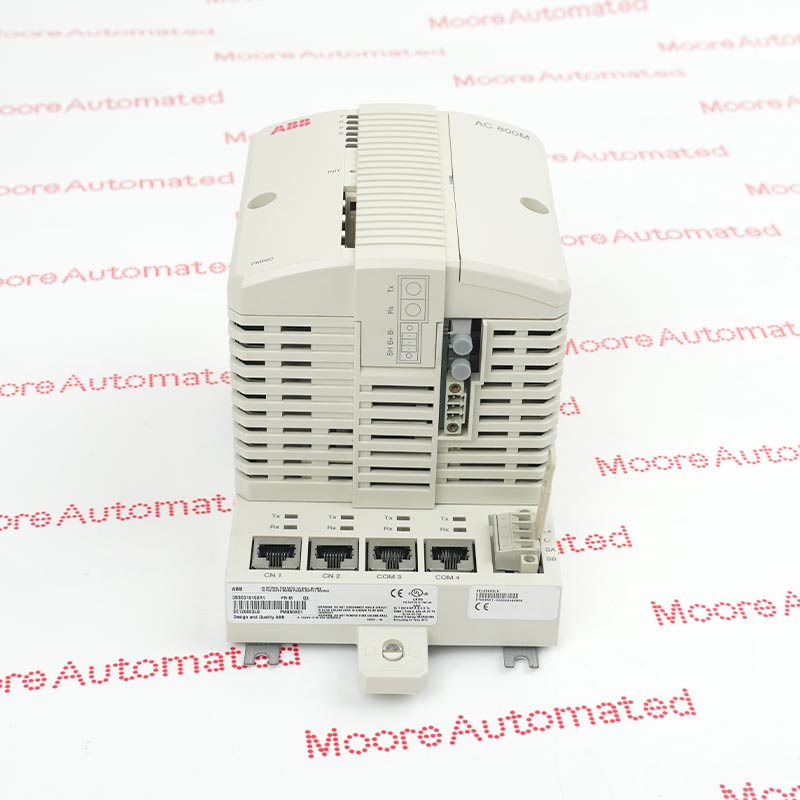
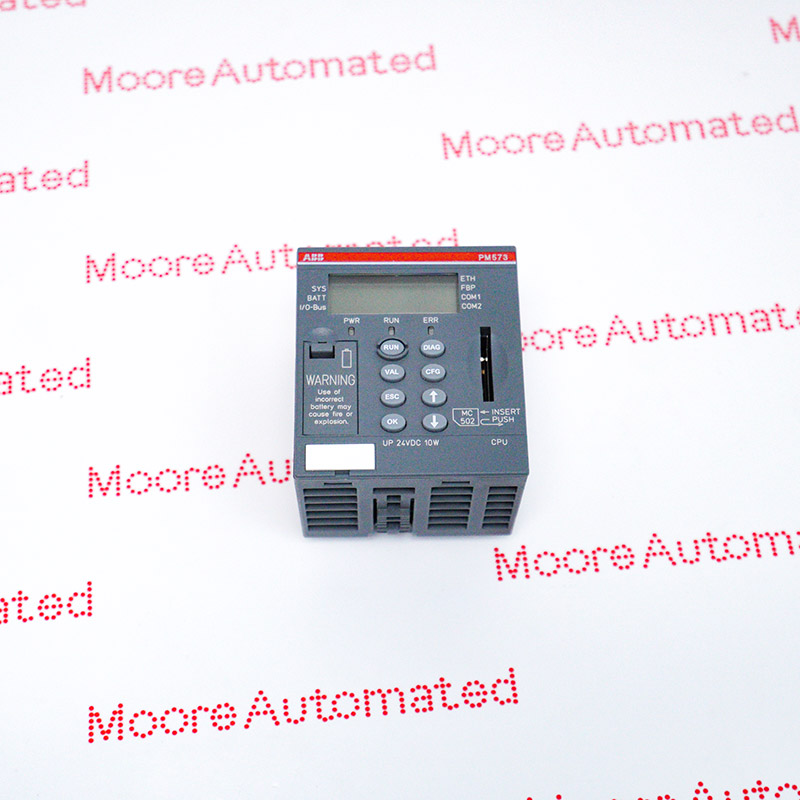
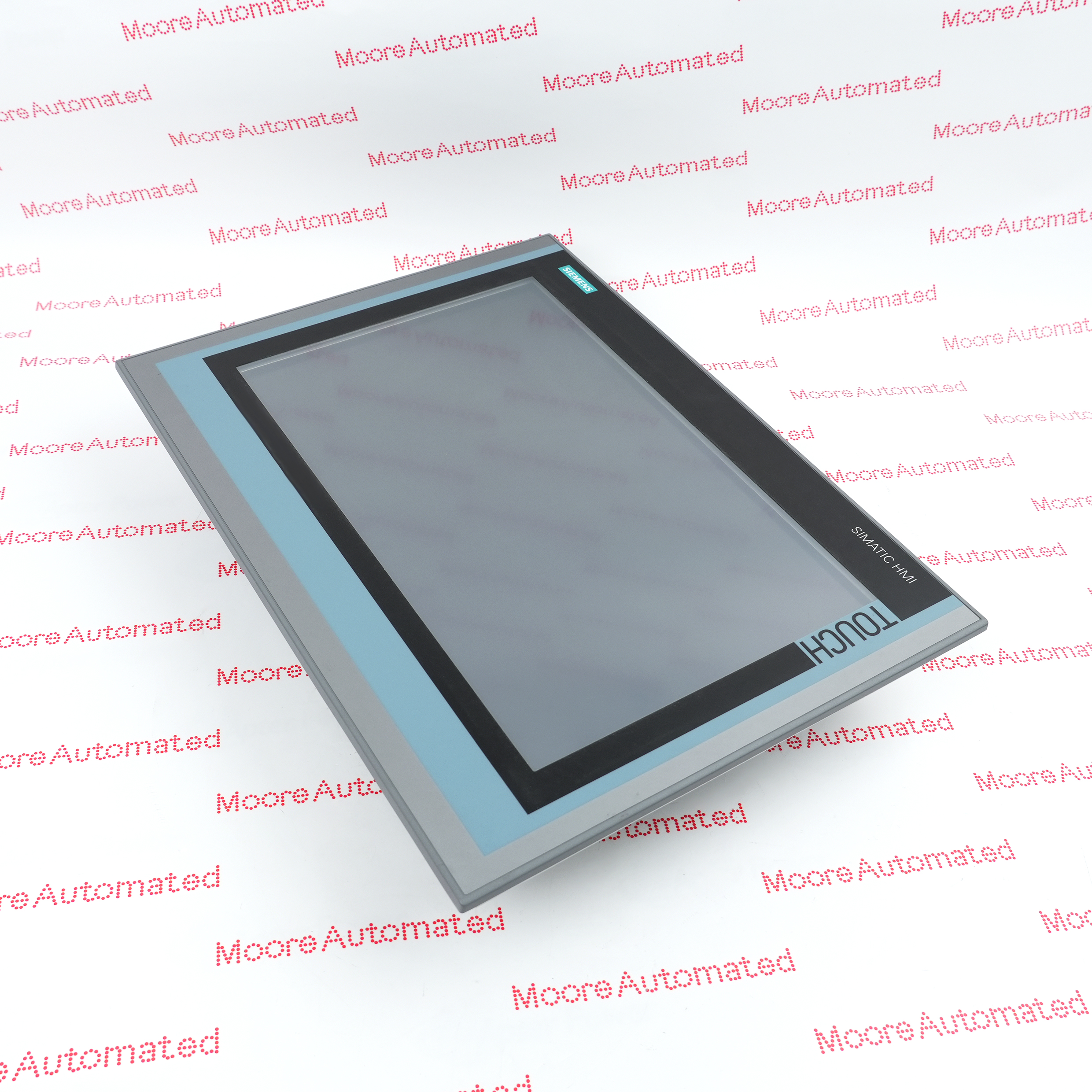
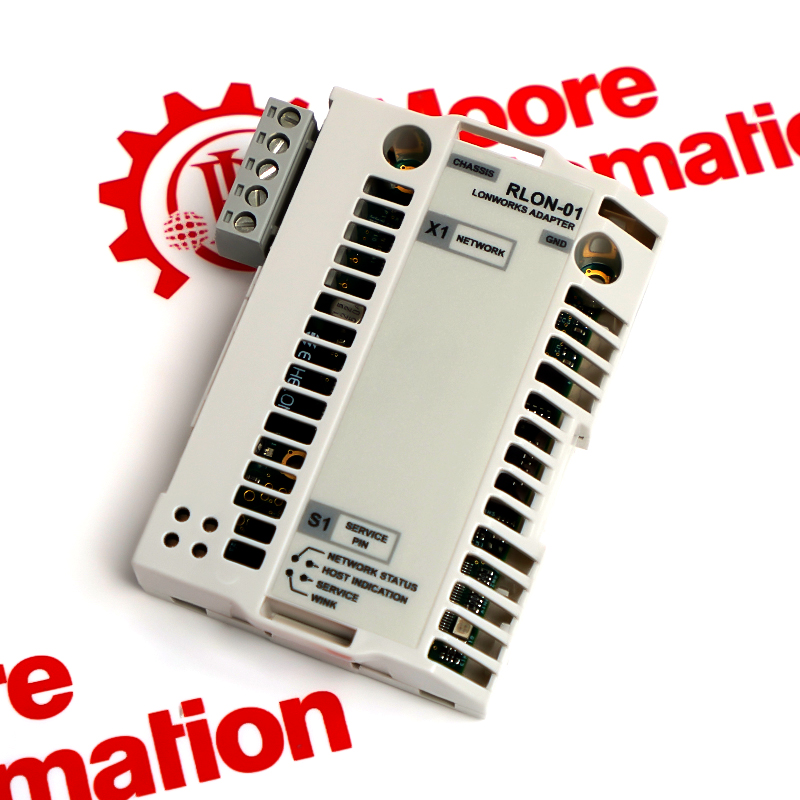
Our quality management system covers sourcing,testing and dispatch

View Our Success Stories
Real stories from real customer orders
In Stock
a proprietary GE industrial subsystem module
IC6P3CBL303
Spare Part Number
PNIC6P3CBL303A
Product Information:
a proprietary GE industrial subsystem module
OEM-coded electronic assembly, commonly used
within GE automation, control, or power system
architectures.as a system-level industrial interface
module with proprietary GE architecture, whose
electrical behavior is defined at the platform level
rather than individual component level
Six clear steps show what information is required and what the written quotation will contain.
01
Find the product
Search the part number or send an inquiry for obsolete, discontinued or hard-to-find parts.
02
Provide the details
Share the exact part number, quantity, condition, revision, destination and any required certificates or photos.
03
Review the quotation
Receive price, currency, condition, availability, warranty, lead time, shipping terms and quotation validity in writing.
04
Confirm the order
Accept the quotation in writing and complete the required payment before shipment.
05
Pay by bank transfer
Pay the full invoiced amount by bank wire in RMB/CNY, GBP, EUR or USD using the official invoice details.
06
Verify and dispatch
The item receives a pre-shipment inspection and suitable protective packaging. Functional testing is performed only where appropriate equipment and procedures are available for the specific item. We confirm the applicable inspection scope and provide tracking after dispatch.
1. What is the functional classification of IC6P3CBL303 according to its datasheet-level architectural designation?
The IC6P3CBL303 is typically classified as an OEM-specific industrial electronic module identifier, likely corresponding to a communication or interface subsystem component rather than a discrete integrated circuit. Its nomenclature suggests integration within a larger system-level schematic rather than standalone semiconductor functionality.
2.How should the electrical abstraction of IC6P3CBL303 be interpreted in a high-level datasheet analysis?
From a datasheet interpretation standpoint, IC6P3CBL303 should be treated as a functional black-box module, where internal circuitry is abstracted. Engineers typically evaluate it through: Input/output port behavior Power domain constraints Signal integrity parameters rather than transistor-level architecture.
3. What interface topology is likely associated with IC6P3CBL303 in system integration schematics?
The IC6P3CBL303 is commonly assumed to operate within high-speed serial or industrial differential signaling environments, such as: LVDS-like differential buses Embedded communication backplanes Industrial fieldbus interfaces Its datasheet-level role is typically defined by protocol abstraction rather than physical layer transparency.
4. Why does IC6P3CBL303 lack a publicly accessible semiconductor datasheet?
The absence of a standardized datasheet for IC6P3CBL303 strongly indicates that it is: A proprietary OEM component code Potentially a rebranded subsystem module Or a factory-specific BOM identifier Such components are often documented only within internal manufacturing engineering databases rather than public semiconductor repositories.
5. What thermal and reliability parameters would typically be specified for IC6P3CBL303 in a full datasheet?
In a complete datasheet context, IC6P3CBL303 would generally include: Operating junction temperature range (industrial-grade tolerance) MTBF (Mean Time Between Failures) Thermal dissipation envelope Environmental compliance (e.g., humidity, vibration resistance) However, these values are not publicly confirmed for this identifier and must be inferred from system-level documentation.
6. How is signal integrity behavior of IC6P3CBL303 evaluated in system-level design validation?
Signal integrity analysis for IC6P3CBL303 would typically involve: Eye diagram compliance (if high-speed signaling is involved) Impedance matching characteristics Crosstalk susceptibility modeling EMI/EMC propagation constraints These parameters are usually validated at PCB and system integration level rather than IC-level datasheets.
7. What power domain architecture is expected for IC6P3CBL303 in industrial embedded systems?
The IC6P3CBL303 is expected to operate under a regulated industrial DC power domain, typically featuring: Multi-rail internal voltage regulation (logical + analog separation) Surge protection compatibility Isolation compatibility (if used in communication subsystems) Exact voltage specifications are not publicly defined in available documentation.
Trusted by 5,000+ plants worldwide | Backed by our vast inventory of top-tier control parts, drives and servo motors, fast shipments are dispatched to cover your urgent needs. ABOUT US >>
Moore Disclaimer: Moore Automated's sales automation equipment and related solutions are intended for industrial automation and business operational efficiency improvement purposes only. Product information, technical parameters, and application cases are for reference only and do not constitute an absolute guarantee of performance for any specific industry, scenario, or final application. Actual equipment performance may vary depending on factors such as the usage environment, system integration method, and maintenance conditions. Users should confirm compatibility and safety based on professional technical assessments. Moore Automated assumes no liability for any direct or indirect losses caused by improper use, modification, or failure to operate according to specifications, to the extent permitted by law.