Overview
Manuals
I/O Drivers
Configurator
Features:
- Redundant FBM231 modules communicate with dual-ported devices
- Four ports - each can be individually configured in software for RS-232, RS-422 or RS-485
- Integrates field device data into a Foxboro control database
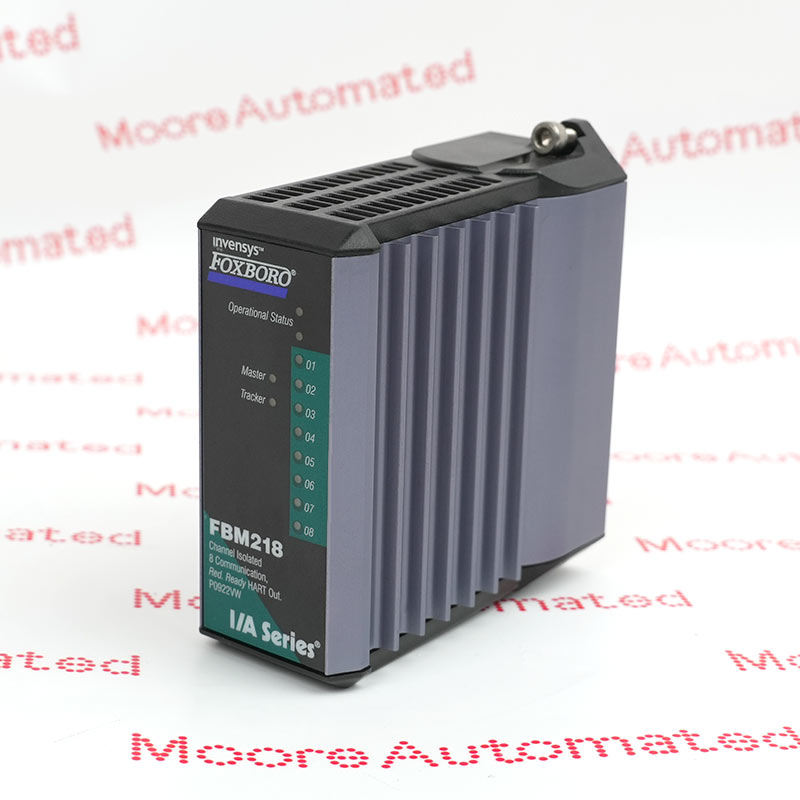
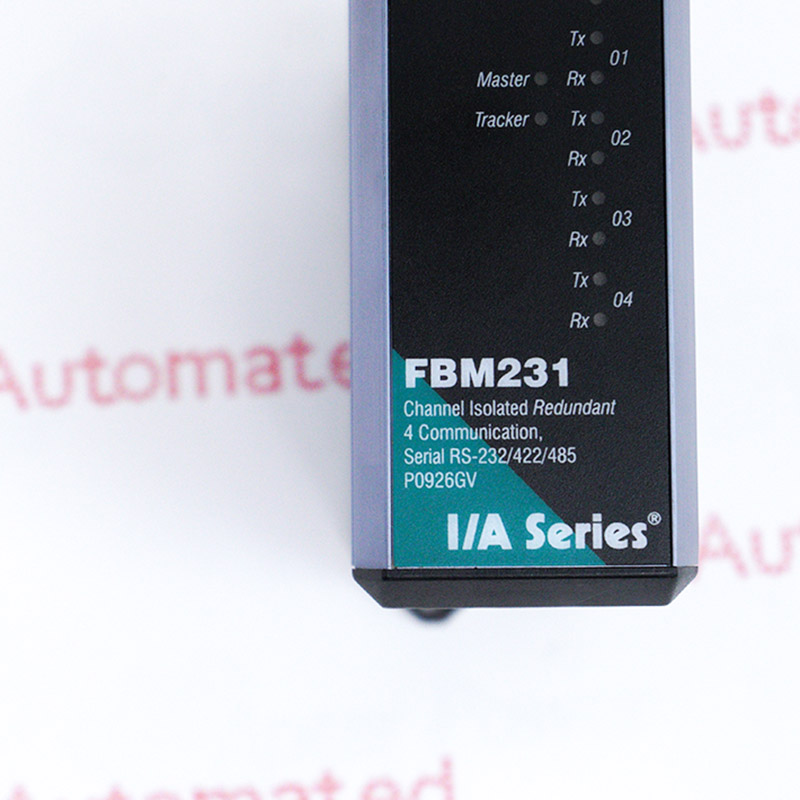
A pair of FBM231 modules combine to provide redundancy at the Fieldbus Module (FBM) level, with field wiring to two termination assemblies. In this configuration, one FBM231 is the Master, and the other is the Tracker module. Input points on the control station are updated from the device inputs received on the network connected to the Master. Device output points, depending on the I/O driver, are written by both the Master and Tracker module. Role switching is automatic if actual problems are detected (for example, heartbeat) by the I/O driver, or the user can switch the roles at any time via SMDH.
The FBM231 has four ports - each can be individually configured in software for RS-232, RS-422 or RS-485. This allows a single FBM231 the flexibility to connect to multiple similar but not identical devices. Ports 1, 2, 3, and/or 4 can be configured as a single logical port with redundant cables allowing you to interface with dual-ported I/O devices within your plant.
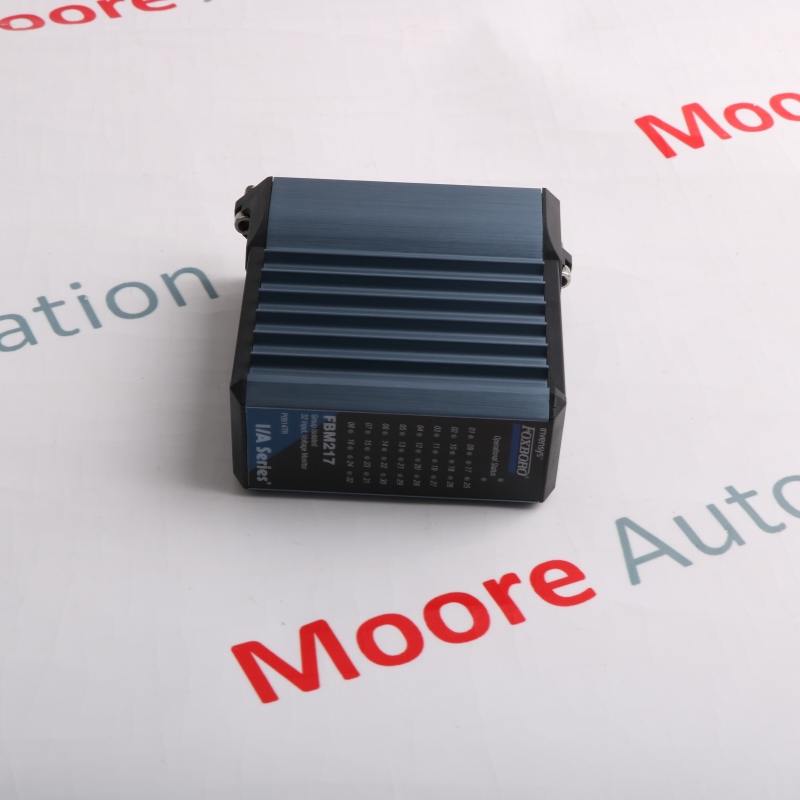
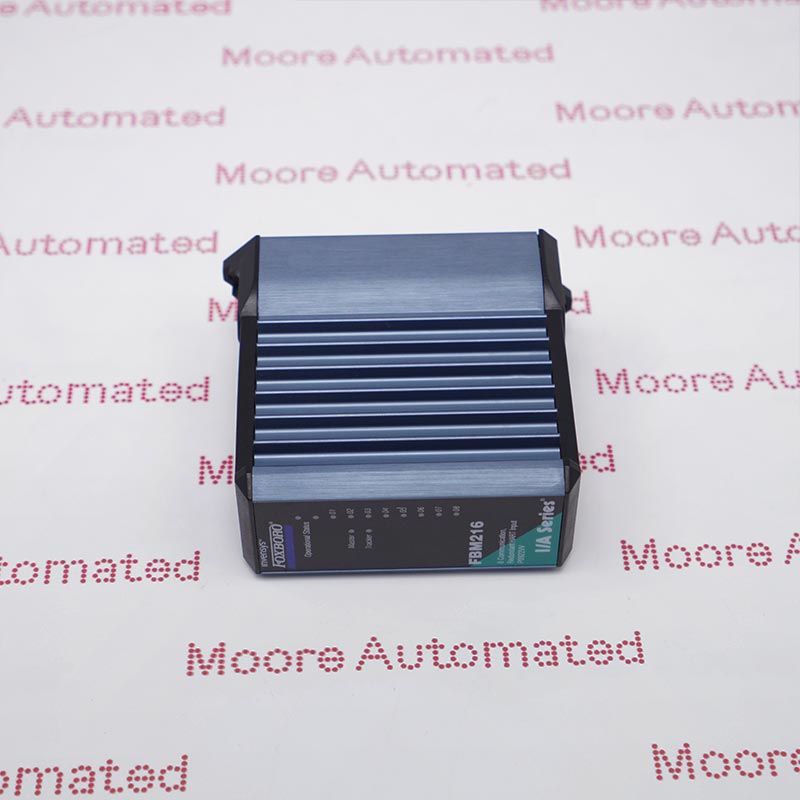
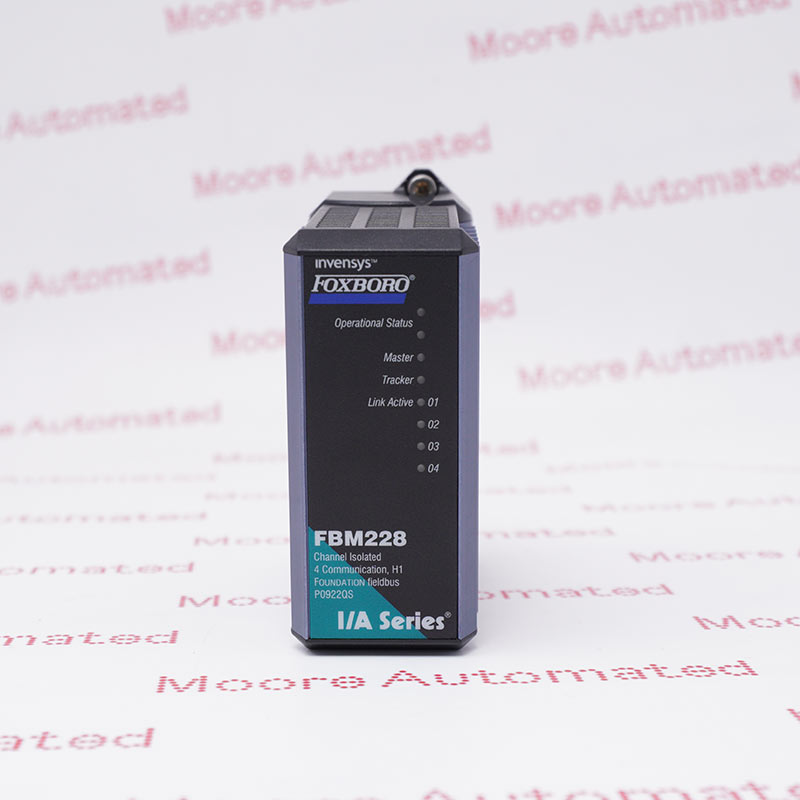
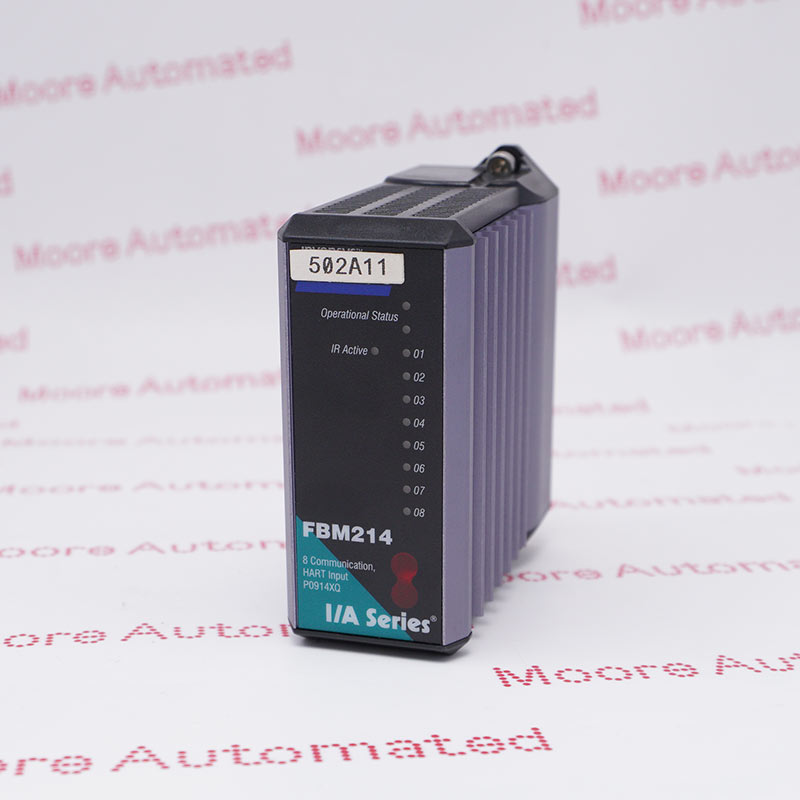
The FBM231 P0926GV Invensys Foxboro Field Device System Integrator Module may still be available for purchase and support from Moore Automated Company beyond End-Of-Life (EOL) by the manufacturer (OEM).
Invensys Foxboro FBM231 P0926GV Field Device System Integrator Module datasheet(manual), Link
Important Notice: Other accessories, manuals, cables, calibration data, software, etc. are not included with this equipment unless listed in the above stock item description. All prices are shown in USD.
This FBM is a generic hardware module in which different software drivers can be loaded. These drivers configure the FBM to recognize a particular protocol used by the field device. Several of the software drivers are standard product offerings. Other custom drivers can be developed to meet specific needs. These drivers are dynamically downloaded to the pair of FBM231s with software code specifically designed to interface with the third party device’s protocol. The configuration procedures and the software requirements for each driver are unique to the device(s) being integrated into the system.
The FDSI configurator sets up the FBM231 port via XML based device configuration files. The port configurator allows for easy setup of the communication parameters for each port (such as, communication interface standard, baud rate, parity). The device configurator is not needed for all devices, but when needed it configures device specific and point specific considerations (such as, scan rate, address of the data to be transferred and the amount of data to be transferred in one transaction).