



Supply chain / global logistics
A part is only useful when the right hardware reaches the right place with the information needed to release it.
The procurement priority: connect sourcing, verification and transport in one written plan before a maintenance deadline becomes a delivery problem.

Supply-chain disruption
Start with the constraint, then choose the sourcing route.
A discontinued module, a delayed replenishment or an urgent machine failure can interrupt an otherwise routine purchase. The first useful response is a clear requirement: the complete part number, hardware revision, quantity, condition and the date the site needs the item.
Moore Automated supports enquiries for current, scarce and obsolete automation components. A wider sourcing search is useful when the usual channel cannot meet the requirement, provided the exact hardware and its condition remain traceable.
Exact replacement
Search against the full installed identity. Retain suffixes, companion codes, firmware constraints and the receiving-system record when comparing an available item.
Alternative under review
If the exact item cannot be supplied, separate an alternative proposal from a like-for-like replacement. The equipment owner must approve any hardware, software or interface change.
Lead times
Keep three dates visible in every urgent enquiry.
“Fast shipping” is incomplete without a starting point and a destination deadline. A useful quotation separates the supplier’s release work from the carrier’s estimated journey and the customer’s maintenance requirement.
When the accepted item can be handed to the carrier.
The route and service estimate, including known dependencies.
The latest useful receipt time for the planned work.
Moore Automated’s shipping policy states that standard in-stock orders are normally processed within three to four business days, subject to release conditions. Urgent same-day dispatch requires separate written confirmation. A dispatch date is not an arrival guarantee.
Inventory
Turn an availability claim into item-level evidence.
A catalogue image helps a buyer recognise a product. It does not prove that the quoted quantity is allocated, that a particular revision is available or that the item has passed the agreed checks. Confirm these points before planning a collection or shipment.

- Identity and condition
- Complete model, suffix, revision and condition stated in the offer.
- Available and reservable quantity
- Item-level confirmation and reservation conditions, with a clear validity period.
- Photographs and acceptance scope
- Actual-item label and condition photographs; agreed inspection or functional-test scope where available.
- Release location and readiness
- Dispatch origin, packing status and any remaining hold before collection.
Customs preparation
Prepare the data before the carton reaches the border.
International delivery depends on clear product information as well as transport capacity. The U.S. International Trade Administration identifies the commercial invoice and packing list as common export documents. DHL highlights accurate descriptions and consistent customs data. Destination requirements should be checked with the importer, broker or carrier.
Use a meaningful goods description, the correct parties, quantity, value and currency. Confirm origin and classification information for the supplied item and destination; avoid a vague description such as “parts”.
Match carton count and contents to the order. Record the final packed weight and dimensions when packing is complete, rather than reusing an unverified catalogue estimate.
Align the waybill or freight document with the consignee and shipment. Request any required origin evidence, inspection documents or other destination paperwork before release.
Ask who will supply importer information and respond to a customs query. Consistency between the order, invoice, packing list and transport record helps prevent avoidable clarification cycles. Clearance remains subject to the destination’s requirements and the authorities’ decisions.
Global transport
Choose a route that fits the shipment and the deadline.
Global sourcing needs a clear handover.
Moore Automated’s shipping policy provides for dispatch from Xiamen, Hong Kong or another sourcing location identified in the quotation. Confirm the actual origin and delivery scope for each order.
DHL is the default express carrier in the published policy; other available services can be agreed. Check the destination, collection cut-off and estimated arrival before selecting a service.
For bulky, heavy or fragile equipment, assess packing protection, handling and route practicality with the forwarder. The lowest freight charge may not provide the best route for a critical item.
An approved customer carrier account may be used. Agree collection, billing instructions and the handover point before dispatch.
Before release, confirm in writing: the service and named delivery point, freight and insurance scope, document responsibilities, tracking contact and the next update if the route changes.
Hardware before handover
Use product video to prepare an identification check.
The GE control-board video below comes from Moore Automated’s supplied YouTube channel. It gives a visual identification reference. For an order, request photographs of the actual quoted item and its complete label; video does not establish current stock, test results or installed-system compatibility.
Related product references
Bring the complete model into the logistics brief.
These catalogue examples link to their own product pages and photographs. Current quantity, condition, revision and dispatch readiness require an order-specific check.

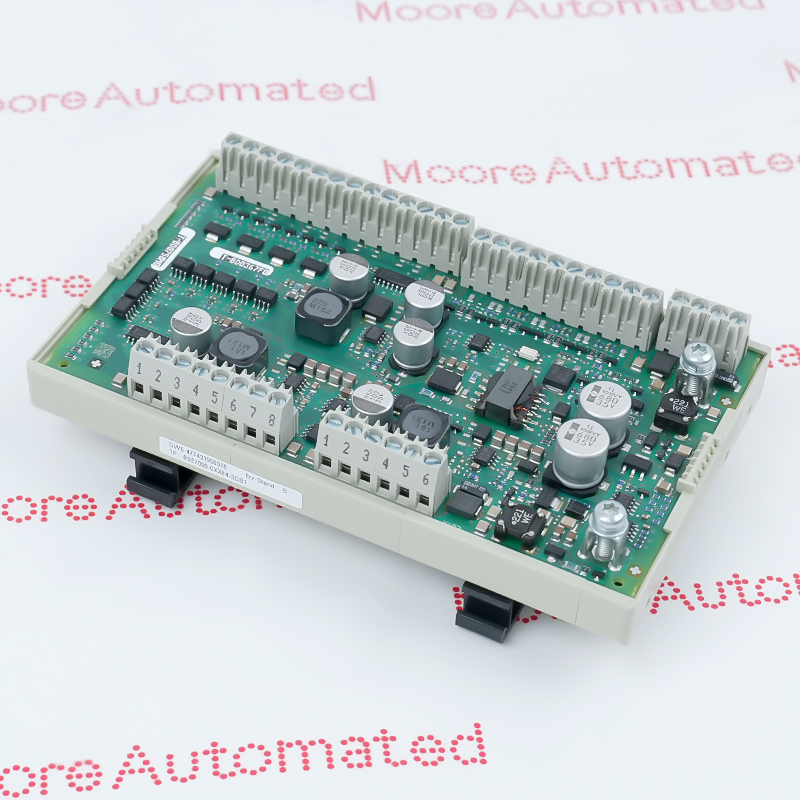
For a turbine-control spares enquiry, retain the complete installed code and required hardware execution.
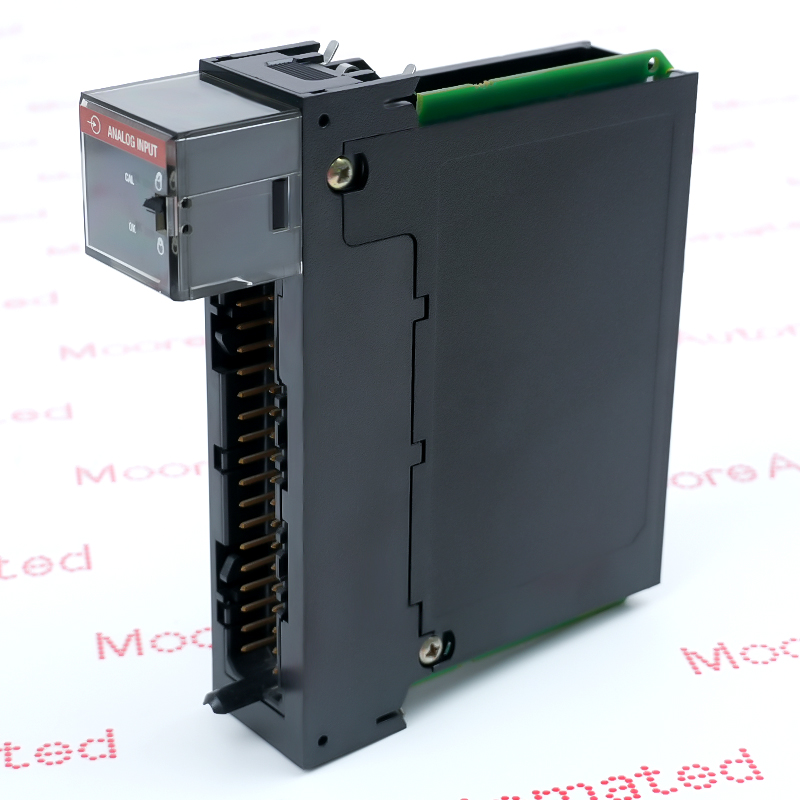
For drive-system support, include the receiving drive, board identity and required revision.
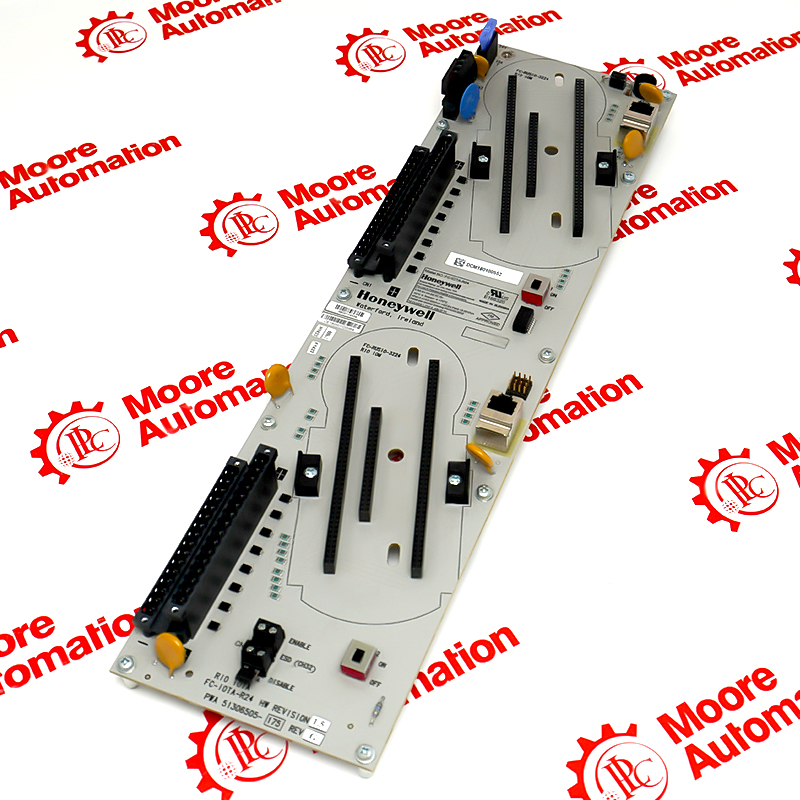
For an I/O replacement, confirm the installed module, configuration and agreed acceptance checks.
Related case records
See where the preparation made a difference.
The published Bently Nevada 3500/22M case records an inspection in Xiamen followed by next-day collection for on-machine testing. Collection is the stated milestone; it is not a guaranteed international transit time.
Miya coordinated third-party inspection across a multi-brand automation requirement. The case illustrates how item-level evidence can support the decision before shipment.
Visible FAQ
Questions to settle before an urgent shipment.
- 01Can an automation spare part be dispatched the same day?
- Urgent same-day dispatch can be considered, but it requires written confirmation for the particular order. Exact stock, cleared payment, the inspection scope, packing, documentation and the carrier cut-off all affect the release decision.
- 02Does “in stock” mean the part is already reserved for me?
- No. Ask for the available quantity, exact identity, condition, item photographs and reservation terms. The quoted availability should be reconfirmed before the order is released.
- 03Why are dispatch and arrival dates different?
- Dispatch is the handover to the carrier. Arrival depends on the selected route and service, border processing and final delivery. Keep the dispatch commitment, transport estimate and required-on-site date as separate fields.
- 04Which documents should be prepared for an international parts shipment?
- A commercial invoice, packing list and transport document are common starting points. Confirm the destination-specific requirements with the importer, broker or carrier. Descriptions, quantity, value, origin and shipment details must be accurate and consistent.
- 05Can I use my own courier or freight-forwarder account?
- Moore Automated’s shipping policy allows an approved customer carrier account. Agree the service, billing instructions, collection details and delivery responsibilities before dispatch.
- 06What should I send when a discontinued module is urgently needed?
- Send clear label photographs, the complete model and suffix, revision or firmware restrictions, quantity, acceptable condition, installed equipment, destination and required-on-site date. State whether only an exact replacement is acceptable or an engineering-approved alternative may be reviewed.
Article-specific enquiry / logistics brief
Need a sourcing and delivery plan for a critical part?
Send Miya’s team the hardware requirement and the delivery constraint together, so verification, stock review and transport planning can be coordinated from the start.
Delivery: destination · required-on-site date · preferred carrier
Evidence: inspection scope · documents needed · acceptance contact
Sources / editorial record
Information behind this guide.
- Moore Automated — Shipping Methods. Current service scope, dispatch conditions, carriers and document responsibilities.
- International Trade Administration, U.S. Department of Commerce — Common Export Documents. Commercial invoice, packing list and destination-document coordination.
- DHL Express — Customs Clearance Documents and Information. Accurate goods descriptions and consistent customs and transport information.
- Moore Automated — published product and case records. Model references, documented collection and pre-shipment inspection examples; the supplied company YouTube channel.
Sources checked 29 October 2026. Author: Miya Zheng, Sales Director; biography and profile are provided in the website’s author panel. Technical reviewer: Miya Zheng, Sales Director. Review date: 29 October 2026. This guide combines the cited sources with practical procurement analysis. Availability and order commitments must be confirmed in the written quotation.











Leave Your Comment