
Registered Address: 32D Floor Guomao Building, No.388, Hubin South Road, Siming District, Xiamen,Fujian, China
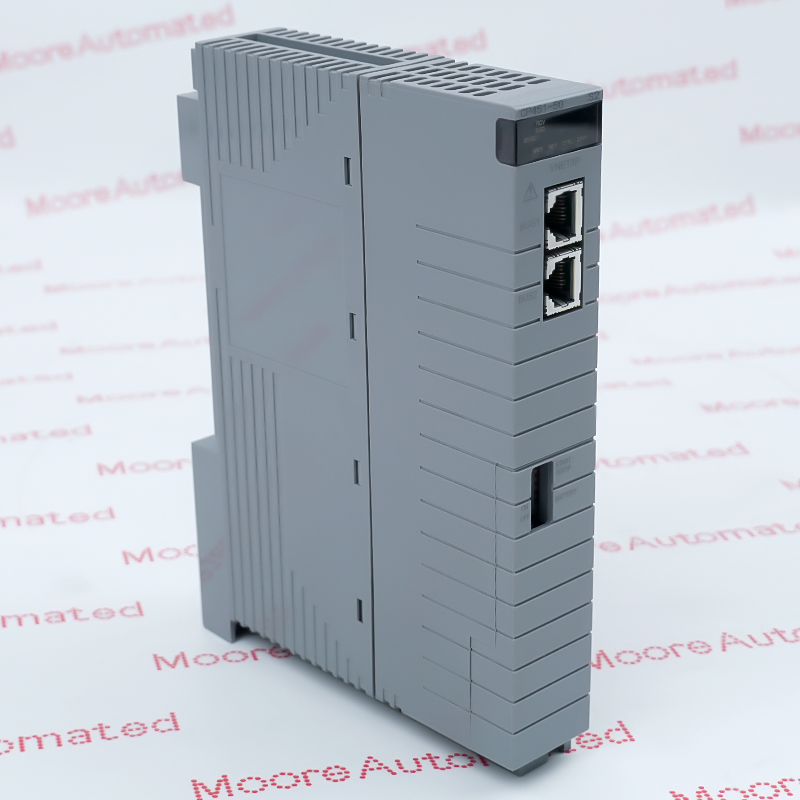
CP451-50 S2
Get A Quote



Industry trends / procurement briefing
Six industries share the need for dependable automation. Their purchasing decisions differ in the evidence, configuration controls and delivery plans each operation needs.
Buyer takeaway: start with the industry’s operating constraint, then verify the exact installed component. A brand or family name is not a complete sourcing specification.

The shared direction
Digital manufacturing, traceability and flexible equipment are recurring themes across the primary sources reviewed for this article. They do not create a single universal spare-parts list. A production-line controller, a process I/O module and a machinery-monitoring interface must each be assessed in its actual installed role.
The following procurement priorities are Moore Automated’s interpretation of those sources. They help buyers prepare a better enquiry; they are not claims that a particular part is approved for every sector.
Manufacturers of medical devices are linking production information, quality records and change control more closely. Siemens’ medical-device lifecycle resources emphasise traceability and controlled changes across the product lifecycle.
For automation used on a manufacturing line, identify the validated machine configuration before selecting a controller, I/O module or drive. Keep the full hardware code, firmware information and change record together.
This article concerns factory automation, not patient-connected equipment or clinical use.
Automotive remains a major industrial-robot customer in IFR’s World Robotics 2025 data. Production teams must support installed automation while managing product and process changes.
Build the spares list around the installed cell: PLC, robot interface, drive, network and safety-related components. Similar housings or a matching brand do not establish interchangeability.
Record the complete suffix, revision and affected production cell.
Airbus describes a manufacturing ecosystem with more connected digital methods and data exchange.
For factory tooling, test rigs and assembly equipment, preserve configuration history and inspection evidence. A component substitution should follow the customer’s engineering and quality change process.
Factory automation parts are distinct from approved airborne components.
IEA’s Electricity 2025 analysis describes changing electricity-demand drivers, including industrial activity and electrification. For asset owners, control and monitoring availability remains an operational planning issue.
Separate turbine control, process control and machinery monitoring roles. Confirm the exact board or module, redundancy arrangement and configured position before reserving stock or scheduling a maintenance window.
Dispatch timing and arrival timing must be confirmed separately.
Siemens identifies recipe management, traceability and changing consumer demand as food-and-beverage manufacturing priorities. These priorities make the connection between control hardware and the production record important.
For processing, filling and handling equipment, retain the installed I/O role, recipes or backups and environmental requirements. Confirm cleaning, enclosure and installation requirements through the equipment owner.
A spare-part quotation alone does not establish hygiene or process compliance.
Siemens’ packaging resources describe smaller batches, changing formats and materials, and growing automation complexity. Flexible equipment can therefore require closer coordination across motion, control and operator interfaces.
Identify the exact drive, motor feedback, HMI, PLC interface and machine configuration. Plan backup restoration and acceptance checks before the next format change or repair.
A family-level match is only the beginning of a motion-control review.
A practical common method
The industry changes the questions. The order still needs an exact identity, current stock evidence and a credible release route.
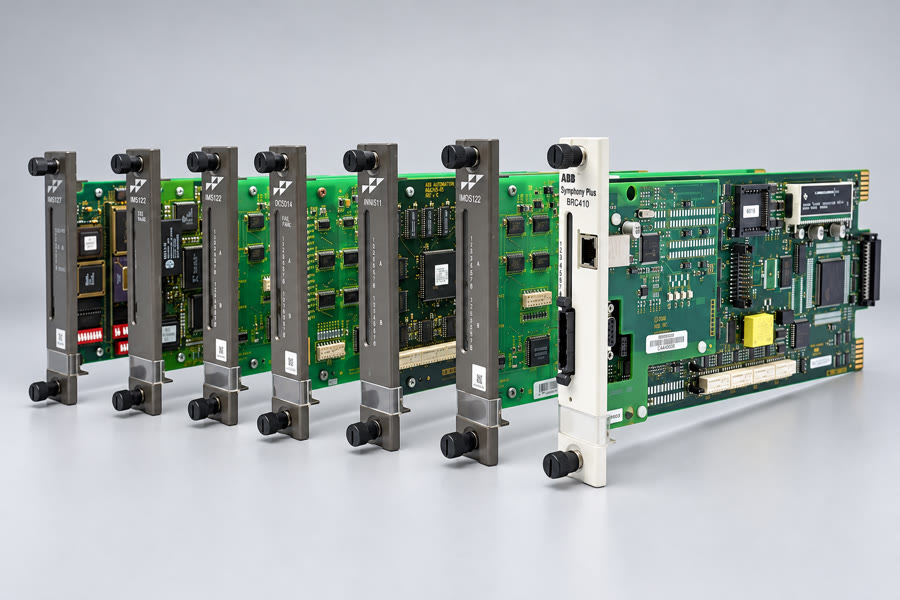
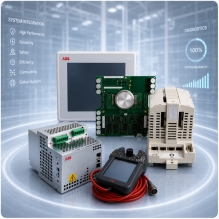
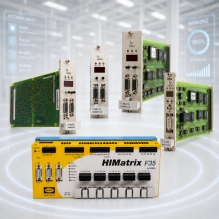
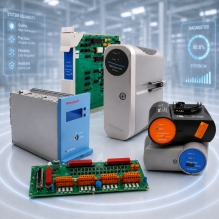
AI-enhanced product-library photograph of ABB automation modules. Illustrative hardware only; current stock and inspection evidence are confirmed for each enquiry.
Keep label photos, complete model and suffix, revision, firmware information, installed position and configuration backup together.
Confirm the available quantity, condition, actual item photographs, inspection scope and reservation terms. A catalogue listing is not a reservation.
Record acceptance requirements, warranty terms, payment clearance, packing and required export documents.
Agree the earliest feasible dispatch, courier cut-off, route and expected arrival before organising the maintenance window.
Product identification / company video
This ABB DO840 product view from Moore Automated’s YouTube channel is an identification example. Use it alongside the complete hardware code and installed-system records, rather than as a universal application approval.
Related product references
Examples for model-specific enquiry. These references do not imply cross-sector approval or current reserved stock.
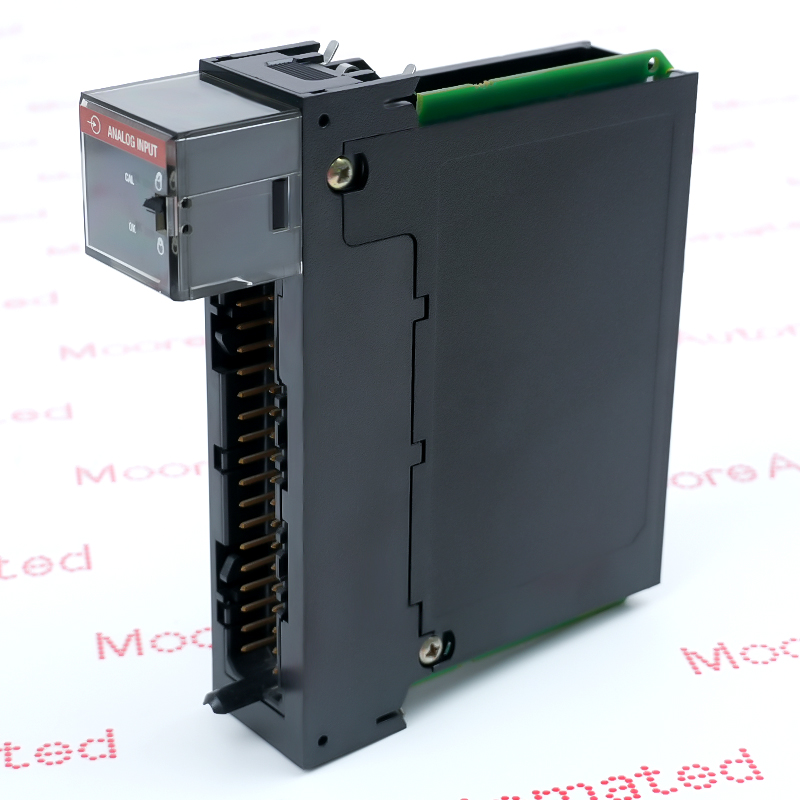
Analog I/O reference for installed-system review.
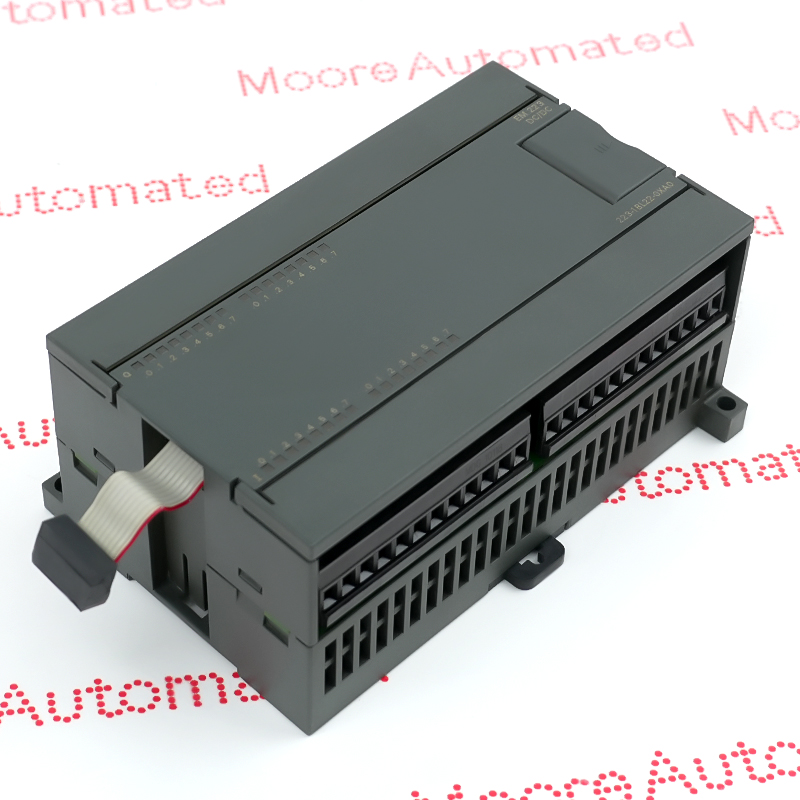
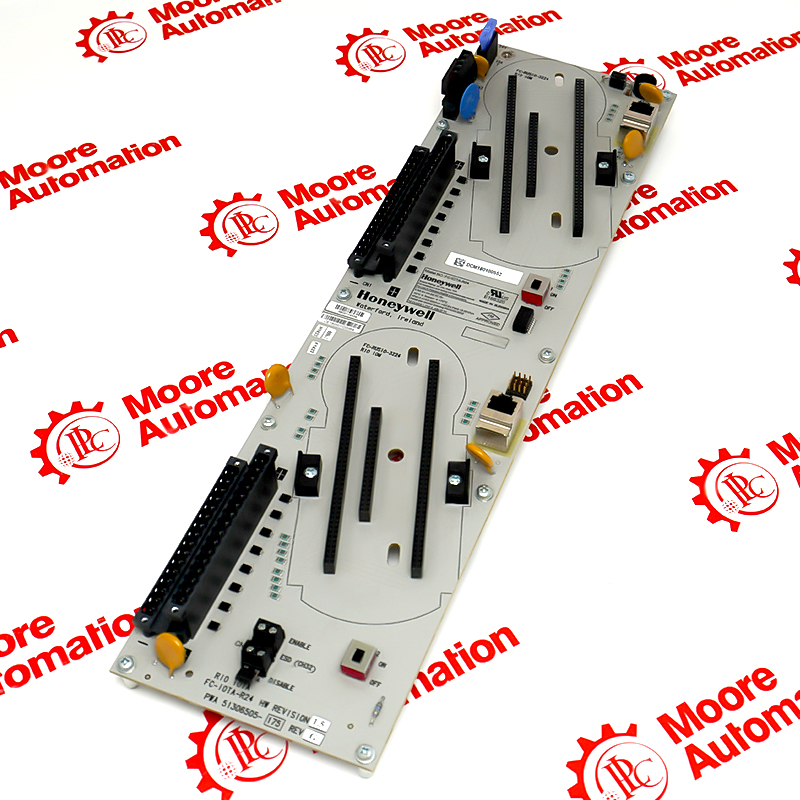
Digital I/O expansion reference; confirm the complete order code and installed configuration.

Communication-interface reference; verify the installed network and configuration.
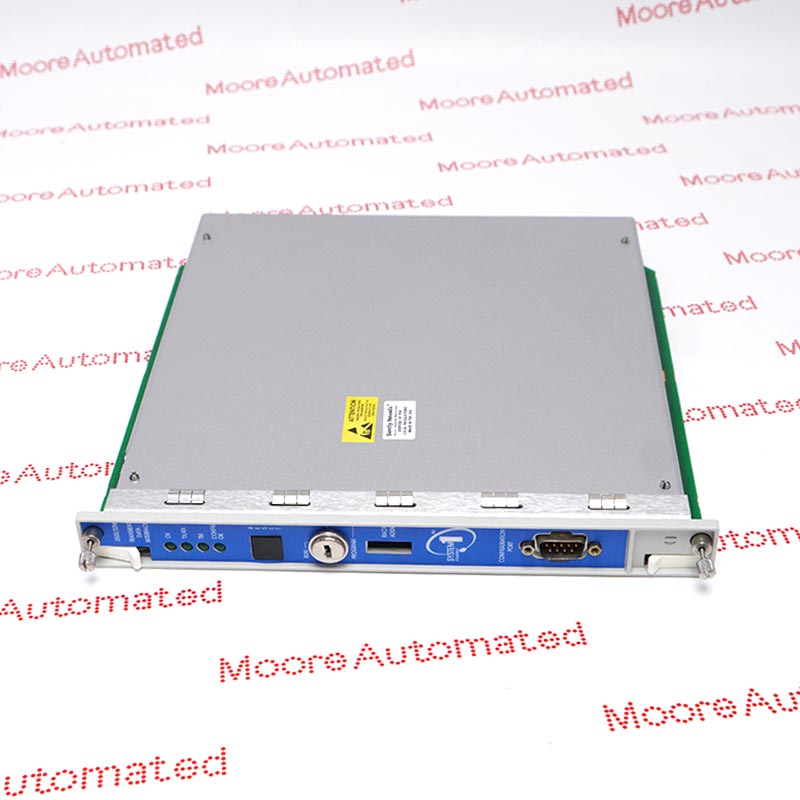
Monitoring-system interface reference; verify execution.
Related sourcing case records
A physical inspection and commercial discussion before the purchase decision.
Third-party review / SiemensA batch prepared for independent inspectionRead the case for its stated inspection scope and supporting evidence.
Project hardware / Bently NevadaOn-site review before project deploymentA partner evaluates hardware before the next project decision.
Visible FAQ
No. Industry examples describe procurement priorities. Suitability depends on the complete model, installed role, configuration, environment and customer approval for the specific equipment.
Provide the complete part number, label photographs, quantity, condition requirement, installed equipment, firmware or revision information, destination and required-on-site date. Add any inspection, documentation or change-control requirements.
An exact reference may be available, but availability must be checked. If an alternative is proposed, compare its hardware, software, interfaces and approval requirements before committing to the replacement.
Ask for reservable stock, the agreed inspection scope, payment and release conditions, dispatch cut-off, transport route and expected arrival. A dispatch commitment is not the same as an arrival commitment.
No. They are catalogue examples for model-specific enquiry. No cross-industry approval, medical-device suitability, airborne approval or automatic interchangeability is asserted.
No. Video can help identify an item and inspect visible details. Required technical documentation, agreed tests and the equipment owner’s acceptance process still govern the final decision.
Information sources
Accessed 27 October 2026. The sector-to-procurement recommendations are editorial analysis. This article does not certify suitability, regulatory compliance, interchangeability or a guaranteed delivery date. Verify the requirements with the responsible equipment owner.
Article-specific enquiry / six-sector sourcing
Send your sector, installed model, label photos, quantity, condition, documentation needs and required-on-site date. Miya’s team can coordinate the verification questions and an order-specific sourcing response.



Registered Address: 32D Floor Guomao Building, No.388, Hubin South Road, Siming District, Xiamen,Fujian, China
MooreAutomated.com is the official website and primary online platform operated by Moore Automation Limited. The website provides information about the company’s industrial automation parts sourcing services, product coverage and customer support. Moore Automation Limited operates as an independent supplier and is not an authorized distributor or representative of the manufacturers displayed on this website unless expressly stated.
Leave Your Comment