

Registered Address: 32D Floor Guomao Building, No.388, Hubin South Road, Siming District, Xiamen,Fujian, China
ISO 9001:2015 Certified
Our quality management system covers sourcing,testing and dispatch
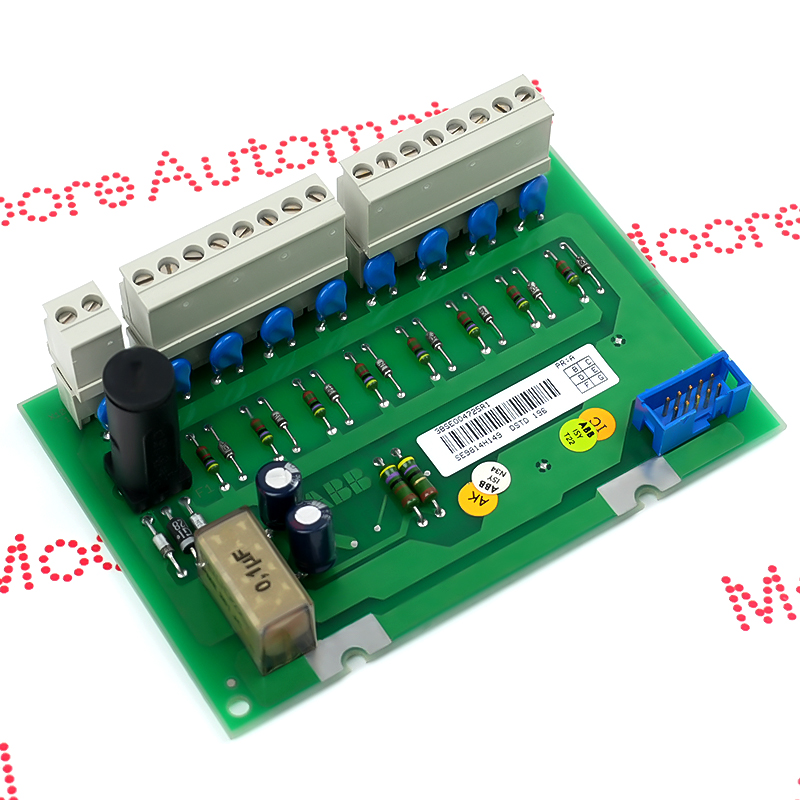
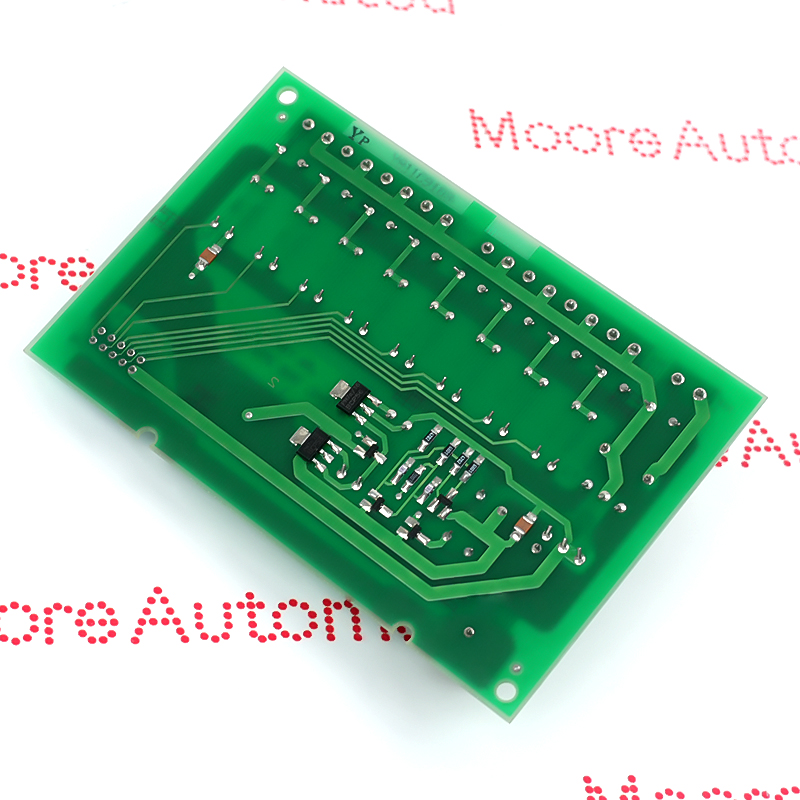
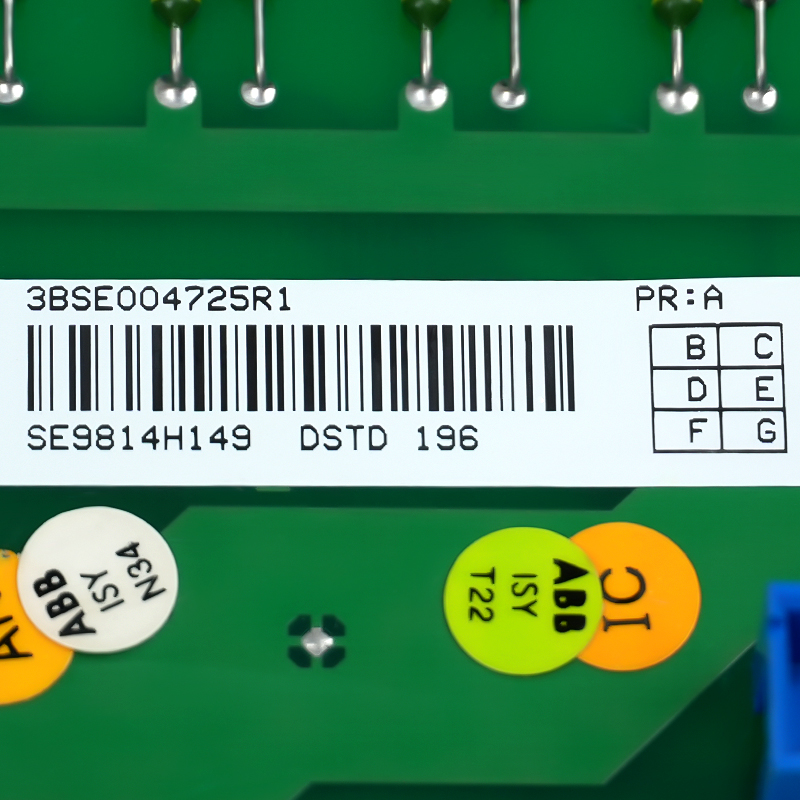
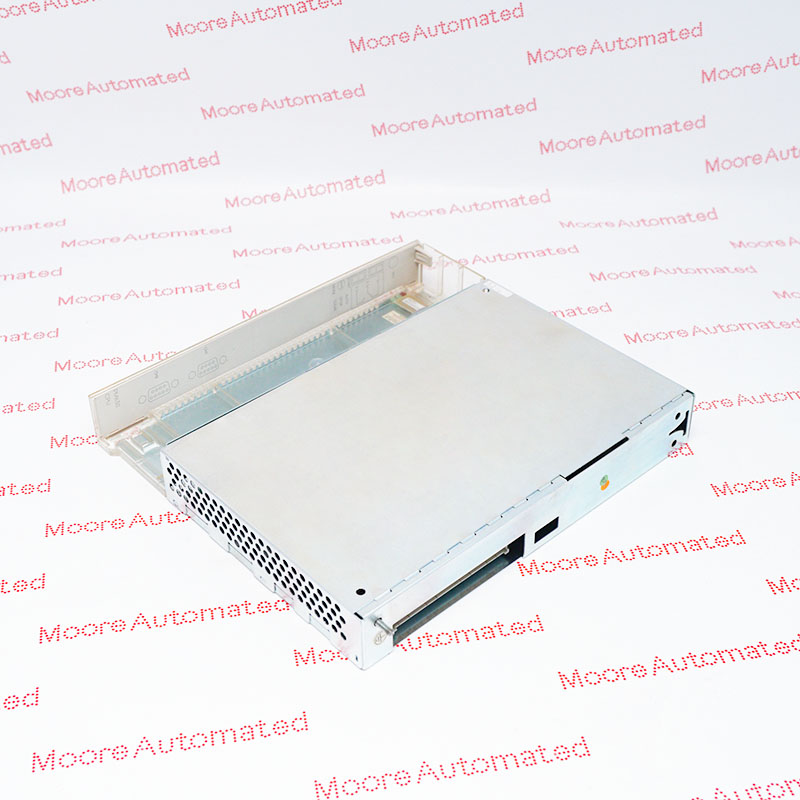
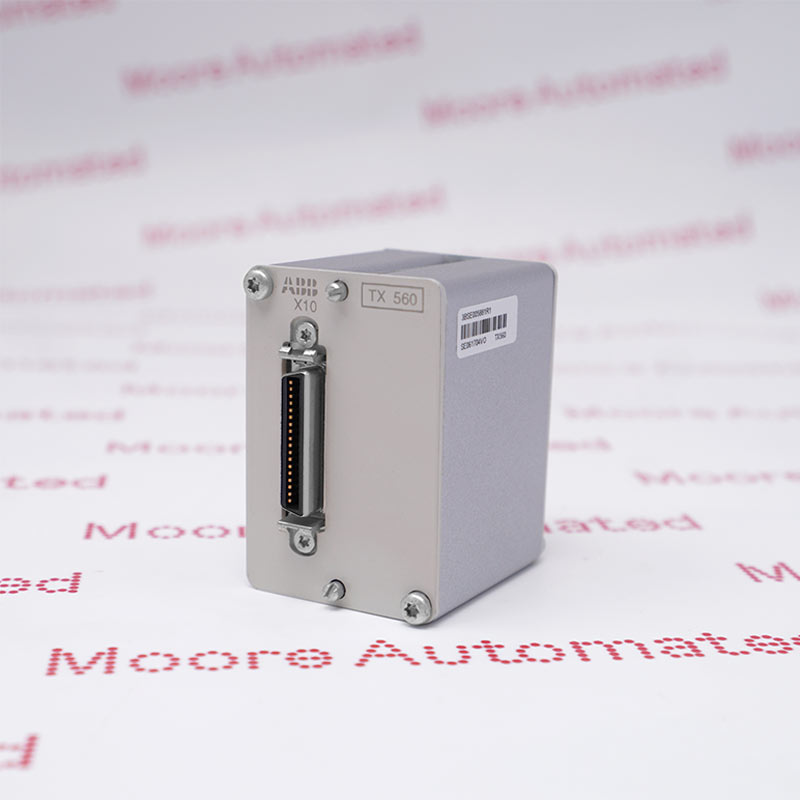
The DSTD196 (3BSE004725R1) is an industrial-grade digital input connectivity unit designed and manufactured by ABB. As a key physical interconnect component in ABB's classic distributed control systems (DCS), such as the AC450 controller and S100 I/O system in the Advant OCS architecture, the DSTD196 acts as an electrical interface bridge within the system architecture, reliably aggregating various complex field process switch and sensor physical signals and ultimately transmitting them to the upper-level distributed processing unit.
ABB 3BSE004725R1 DSTD196 must be selected from its complete identity and the receiving-system evidence. Provides the documented field connection boundary for the matched s100 i/o arrangement.
ABB's available product PDF is for exchange order EXC3BSE004725R1 and identifies DSTD 196 as a module termination unit. Apply only to the complete 3BSE004725R1 DSTD196 identity.
Before connection, match the exact S100 I/O module, field terminal plan, cable, channel allocation and exchange-return scope.
Document the installed state, then continuity-test every terminal and confirm that the original and exchange identities are not confused.
3BSE004725R1 DSTD196: ABB's available product PDF is for exchange order EXC3BSE004725R1 and identifies DSTD 196 as a module termination unit. Source: ABB EXC3BSE004725R1 DSTD 196 product record.
Confirm the exact S100 I/O module, field terminal plan, cable, channel allocation and exchange-return scope. Then continuity-test every terminal and confirm that the original and exchange identities are not confused.

Registered Address: 32D Floor Guomao Building, No.388, Hubin South Road, Siming District, Xiamen,Fujian, China
MooreAutomated.com is the official website and primary online platform operated by Moore Automation Limited. The website provides information about the company’s industrial automation parts sourcing services, product coverage and customer support. Moore Automation Limited operates as an independent supplier and is not an authorized distributor or representative of the manufacturers displayed on this website unless expressly stated.