

Registered Address: 32D Floor Guomao Building, No.388, Hubin South Road, Siming District, Xiamen,Fujian, China
ISO 9001:2015 Certified
Our quality management system covers sourcing,testing and dispatch
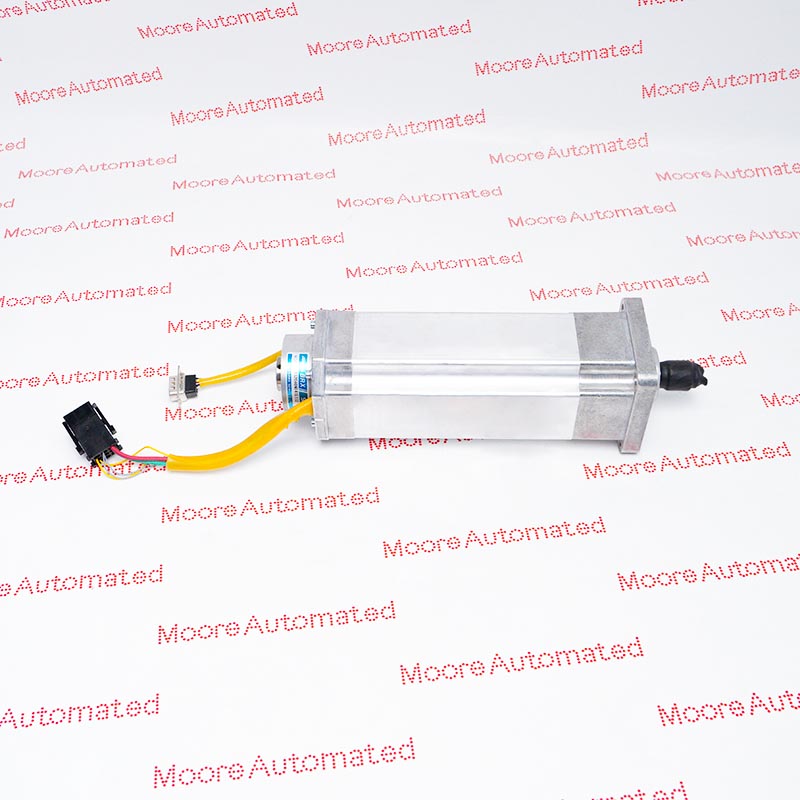
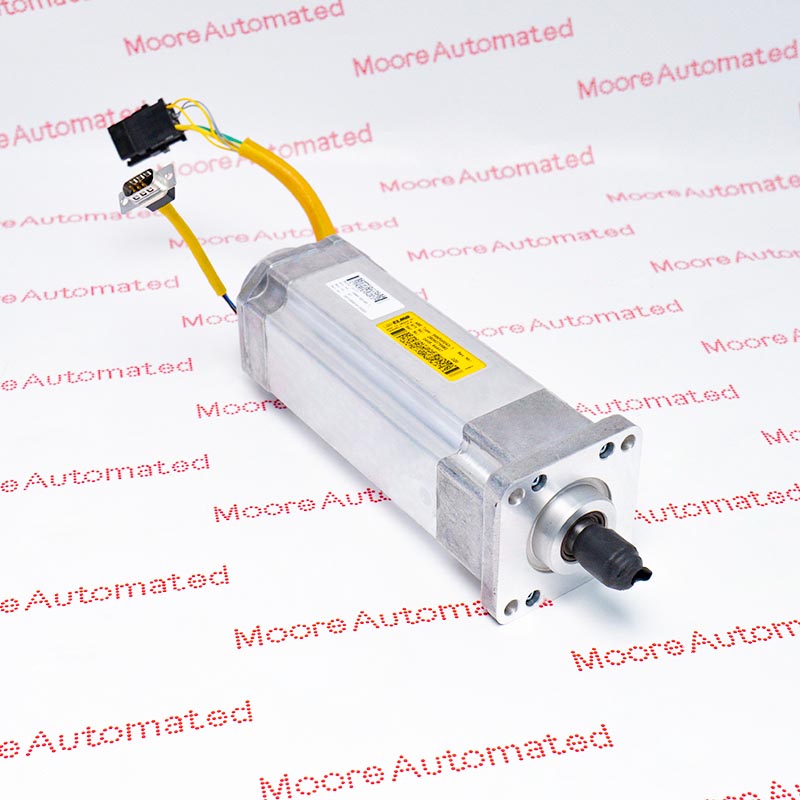
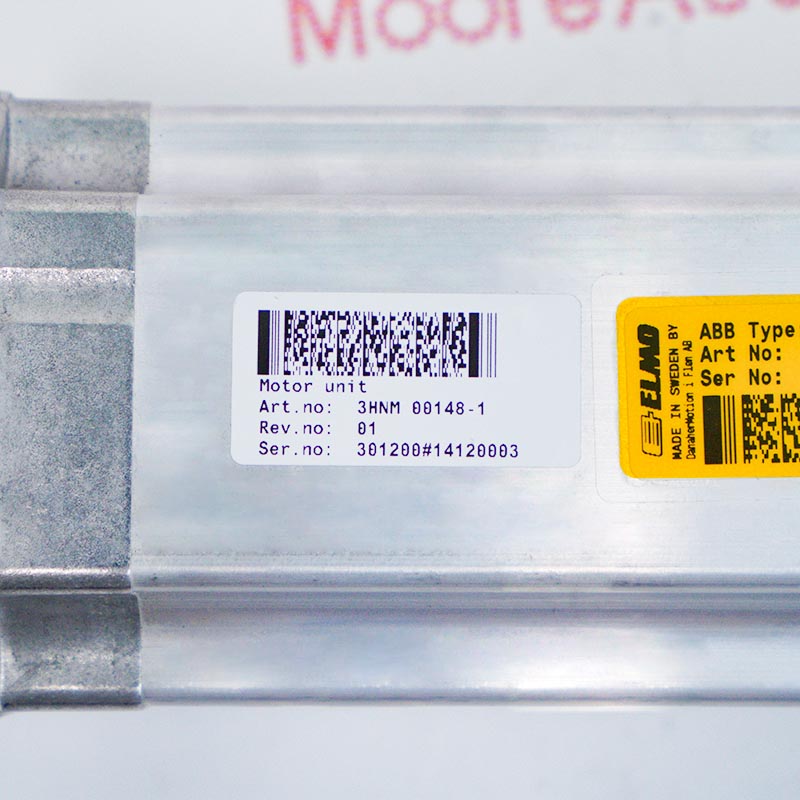
3HNM00148-01 is handled from the complete manufacturer identity and the documented receiving-system configuration. Use it only as the documented robot-axis motor replacement after the receiving manipulator and drive arrangement have been confirmed. Record the original connector positions, motor orientation and mechanical reference before removal.
Use the complete 3HNM00148-01 nameplate marking when identifying the replacement.
Compare flange, shaft, connector positions and installation orientation with the removed motor.
Restore the reference and verify brake, feedback and low-speed motion before automatic operation.
3HNM00148-01 must be verified from the complete model and article marking, nameplate photograph and any printed revision or MOD identifier. Match the full article number, motor nameplate, flange, shaft interface, brake and feedback connectors to the removed unit. If those details are uncertain, send clear photographs of the label, connectors and both sides of the item before ordering.
For an accurate 3HNM00148-01 quotation, provide the required quantity, complete marking, nameplate photographs, receiving equipment, current configuration, delivery country and required delivery date. Moore Automated will use those details to confirm compatibility, condition, included items, availability and the exact supply scope.
Legacy product; verify current OEM availability
Moore Automated supplies quality ABB replacement modules and spare parts after the full 3HNM00148-01 identity and requested condition are confirmed.
Matched supply and responsive quotation support help reduce maintenance delays and unplanned downtime.

Registered Address: 32D Floor Guomao Building, No.388, Hubin South Road, Siming District, Xiamen,Fujian, China
MooreAutomated.com is the official website and primary online platform operated by Moore Automation Limited. The website provides information about the company’s industrial automation parts sourcing services, product coverage and customer support. Moore Automation Limited operates as an independent supplier and is not an authorized distributor or representative of the manufacturers displayed on this website unless expressly stated.