
MP 3009X
Get A Quote
Industrial automation systems are the backbone of modern factories, but these systems do not stay new forever. Obsolete automation systems are parts like controllers, screens, and motors that the original makers no longer build or support. When a company like Siemens or Rockwell Automation stops making a specific part, they call it "discontinued" or "end-of-life." This creates a big problem for factories that still rely on that hardware to make their products. If one small part breaks and the original maker does not have a replacement, the whole production line might stop. Replacing the entire system can cost millions of dollars and take weeks of work. A third-party supplier serves as a vital partner in these moments. These companies help factories keep their old machines running, stop long delays in production, and save money by avoiding huge, unneeded upgrades.
Manufacturing plants often use machines for decades. When the parts inside these machines stop being made, the factory faces a huge risk. Keeping these systems running takes a special plan.
In the world of factory machines, obsolescence happens when a vendor phases out a product. This includes hardware like circuit boards or software used to program them. When a part becomes obsolete, the original equipment manufacturer (OEM) stops providing repairs or updates. For a plant manager, this creates a "silent crisis." The machines might be working today, but there is no safety net for tomorrow. If a part fails, the plant could face weeks of downtime while trying to find a replacement.
The impact of this risk is very high. Research shows that large companies lose about $1.4 trillion every year because of unplanned downtime. In some industries, like making cars, one minute of stopped production can cost over $38,000. If a factory cannot find a part quickly, these costs grow into a disaster. Many factories try to avoid this by doing a "last-time buy," where they buy a lot of parts before the OEM stops making them. But these stocks eventually run out.
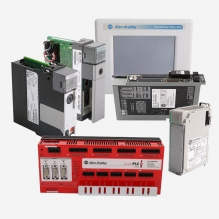
Examples of these aging systems are everywhere. The Allen-Bradley PLC-5 was a famous controller for almost 40 years, but it was discontinued in 2017. The Siemens Simatic S5 reached its official end-of-life in September 2020. Thousands of factories still use these "workhorses" because the heavy metal parts of the machines are still in good shape. It does not make sense to throw away a perfectly good machine just because one computer chip inside is hard to find.
Knowing the risks is the first step. The second step is finding a way to get the parts you need. This is where independent companies offer a different path than original makers.
A third-party supplier is a company that operates independently from the original makers like Siemens or Rockwell. They do not focus on selling only the newest technology. Instead, they specialize in finding and fixing older parts that are no longer in the OEM catalog. These suppliers act as a bridge between the old equipment in a factory and the need for constant production. The services they offer are very practical.
First, they source obsolete automation parts through global networks. They find "New Old Stock" (parts that were never used but are old) or high-quality used parts.
Second, they provide repair services. Since the OEM will not fix an old board, these suppliers have skilled technicians who can swap out tiny components like capacitors or memory batteries to make the board work again.
Third, they offer consulting. They can help a plant decide if they should fix a part or start a small, slow move to a new system.
These suppliers maintain a large stock of items in their own warehouses. While an OEM might tell you a part has a 20-week lead time, an independent supplier might have it on the shelf and ready to ship the same day. This speed is what keeps a factory from losing millions during a breakdown.
Working with an outside partner offers more than just a quick fix for a broken machine. These partners provide financial benefits and technical help that help a company stay productive.
The biggest benefit is saving money. A full system upgrade is a massive expense. It requires new hardware, new software, and many hours of engineering. By using PLC spare parts from a third-party source, a factory can avoid this "gut job". They only spend money on the specific part that failed, which keeps the budget under control.
When a machine stops, every second counts. Third-party partners focus on speed. They often have parts that the OEM stopped carrying years ago. Having a partner who can get a part to your door in 24 hours is the difference between a minor delay and a week-long shutdown.
Many industrial machines are built to last for 30 or 40 years. The mechanical parts are often still strong when the electronics start to fail. Third-party support allows a factory to get the full value out of their initial investment. You can keep using your "bulletproof" equipment for many extra years.
Engineers at independent supply companies often specialize in many different brands at once. They know the "quirks" of a Siemens S5 and an Allen-Bradley PLC-5. This broad knowledge is helpful for factories that have a mix of different machines from different eras. They can offer advice that is not biased toward buying one specific new brand.
Many managers worry about the quality of parts not bought directly from the original maker. High standards and clear testing help prove that these parts are safe and ready to work.
There is a big difference between a "used" part and a "refurbished" part. A used part is just pulled from a machine and sold as-is. A refurbished part from a reputable third-party supplier goes through a strict process. Technicians clean the part, inspect it for heat damage, and replace parts that wear out over time, like electrolytic capacitors. These capacitors often dry out after ten years, so replacing them prevents future failures.
Reliable suppliers use real industrial test racks to check their work. They do not just see if the power light turns on. They run the part under a "load" to make sure every input and output works correctly. Because they are confident in this testing, many suppliers offer a two-year warranty. This is often longer than the warranty the OEM gave when the part was brand new.
To stay safe, factory owners should do their due diligence. You should check if the supplier has ISO 9001 certifications, which proves they follow a standard quality system. Ask for a copy of the testing report for the part you are buying. A good partner will be happy to show you their work. This documentation is also helpful for insurance and safety audits, as it shows you are using parts that meet industrial standards.
Keeping old machines alive buys time for the future. A good partner helps you use that time to plan a slow and safe move to newer technology without rushing.
Eventually, every system will need to be upgraded. But doing it all at once is risky and expensive. A strategic partnership with a third-party supplier allows for a "phased migration." This means you replace the most critical or high-risk parts first while keeping the rest of the old system. For example, you might keep your old wiring and I/O racks but replace the main processor using special adapter cards or "swing arms".
This plan balances short-term needs with long-term goals. You can use refurbished parts to keep production moving today while your engineers slowly write the code for the new system. This takes the pressure off. You do not have to do a "forced" upgrade during an emergency. Instead, you can wait for a scheduled holiday or a slow production period to make the change.
A third-party partner can also help with inventory management. Some offer agreements where they keep a stock of parts for you at their warehouse. You only pay for the part when you need to use it. This keeps your shelves clear and saves your cash for other projects.
Third-party automation suppliers are not just a backup plan for when things go wrong. They are a core part of a smart business strategy. They help factories maintain production continuity by providing parts that no one else has. They help control costs by avoiding expensive, unmanaged upgrades. Most importantly, they bridge the gap between old hardware that still works and the modern world that has moved on. By picking the right partner, a factory can stay competitive, keep their workers busy, and protect their bottom line for years to come.
Yes, if they come from a reputable supplier. High-quality suppliers professionally refurbish parts by replacing aged components and testing them under real industrial loads. Many of these parts come with 2-year warranties, showing they are built to last.
Look for ISO 9001:2015 certifications and ask about their in-house testing labs. A credible supplier should provide a written warranty and be able to give you references from other manufacturing customers. Checking their physical stock via a virtual tour is also a good idea.
For obsolete systems, the OEM warranty has usually been expired for years, so there is no warranty to void. Regarding compliance, as long as the part is refurbished to original specifications and labeled correctly as "reconditioned," it can meet safety standards like the National Electrical Code.
The best time is now, before a machine breaks. You should perform an audit of your factory to see which parts are nearing the "end-of-life" phase. Finding a partner early allows you to stock up on critical spares before they become rare and expensive.


Copyright Notice © 2026 mooreautomated.com All rights reserved,Moore Automated is not an authorized distributor or representative of the manufacturers featured on this website. Brand names and trademarks featured are the property of their respective owners.
Leave Your Comment