Get Repair Quote
Name
Company *
Phone *
Email *
Address
City
State / Province / Region
Zipcode
Country
Quantity *
Part Number *
Manufacturer
Preferred Condition
Additional Information
Cancel
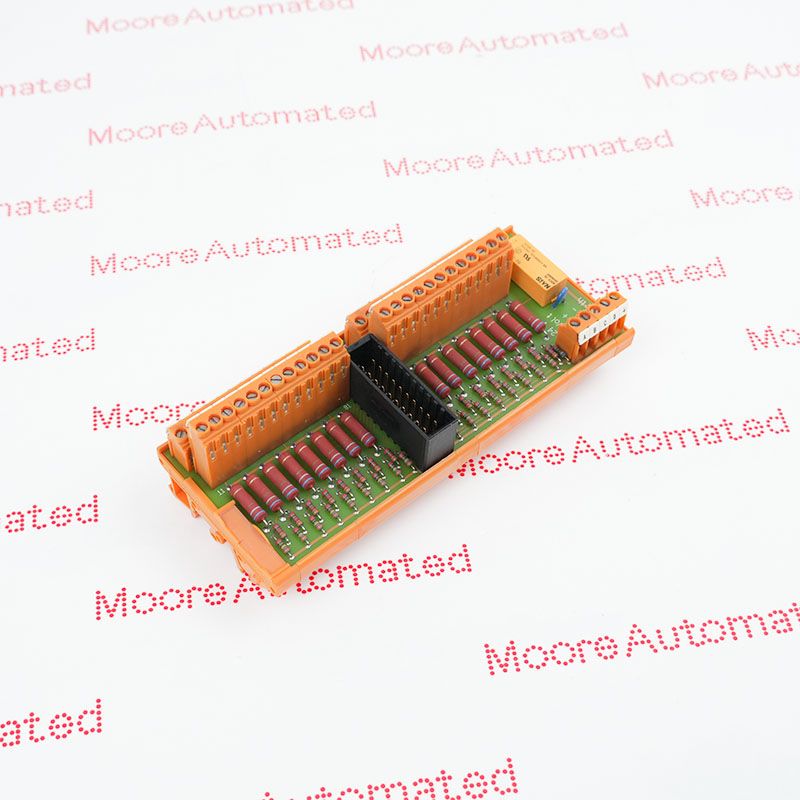
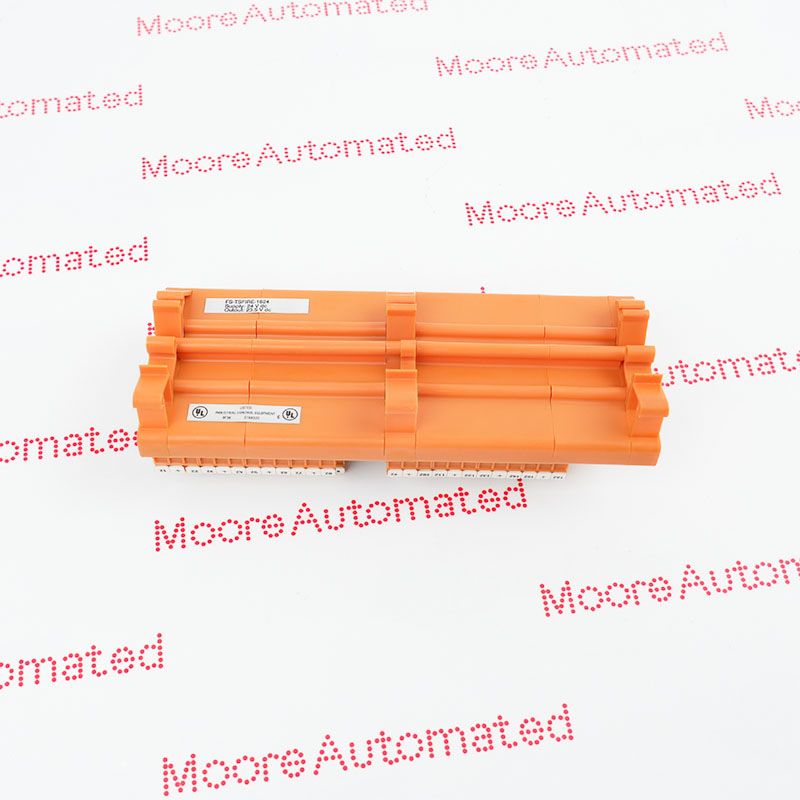
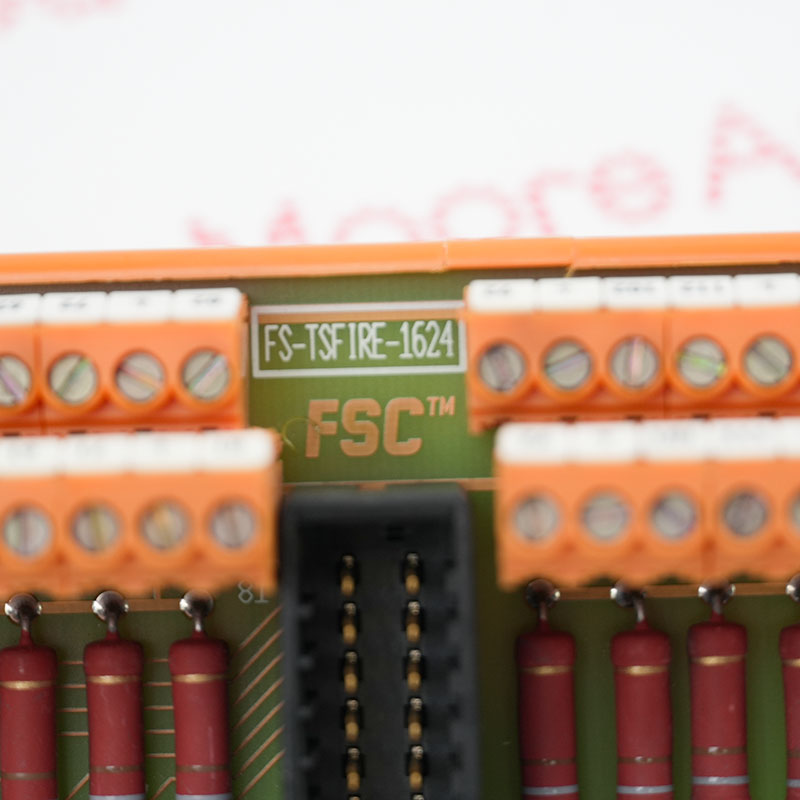
Honeywell FS-TSFIRE-1624
· Product image is representative; revision or series may vary. Contact us to request a specific version.

FS-TSFIRE-1624

Field termination assembly module
In Stock

Product Information:

Safe fire detector input FTA

with line monitoring (24 V DC,

16 channels)

Field termination assembly module

Expand All
Collapse all

Technical specifications for FS-TSFIRE-1624

  • Manufacturer:
    Honeywell
  • Product Category:
    DCS System
  • Estimated shipping dimensions:
    17 x 7 x 6.4 cm
  • Weight:
    0.22 kg
  • Tariff Code:
    8537101190
  • Country of origin:
    USA
  • Place of shipment:
    Xiamen, Fujian, China
  • Approvals:
    CE, TUV, UL, CSA, FM
  • Voltage:
    24 V DC +25% / –15%
  • Current:
    Max. 570 mA (at 24 V DC ext.)
  • Channel resistance:
    680 Ω +/–5%
  • Relay voltage:
    17 – 39 V DC
  • DIN EN rails:
    TS32 / TS35 × 7.5
  • Stock:
    50

Information

Overview Manuals Principle Key Applications

Features:

  • Safe fire detector input FTA with line monitoring (24 Vdc, 16 channels)
  • Global reset of the connected sensors
  • Power supply to each detector with voltage-current limitation in compliance with Hazardous Area Class I Division 2
The TSFIRE-1624 Field Terminal Module (FTA) serves as the interface between (digital) fire detectors in Safety Manager and the SAI-1620m high-density analog input module. It can be installed in Class I Zone 2 hazardous locations and can receive signals from these locations.

The TSFIRE-1624 module features 16 digital detector input channels suitable for both safety-related and non-safety-related applications. The TSFIRE-1624 module uses SICC-0001/Lx system interconnect cables to transmit the 16 input signals to the (redundant) SAI-1620m module.

The FS-TSFIRE-1624 Honeywell Field termination assembly module may still be available for purchase and support from Moore Automated Company beyond End-Of-Life (EOL) by the manufacturer (OEM).
Honeywell FS-TSFIRE-1624 Field termination assembly module Manuals(Datasheets), Link Important Notice: Other accessories, manuals, cables, calibration data, software, etc. are not included with this equipment unless listed in the above stock item description. All prices are shown in USD.
The FTA module features a universal snap-on mounting design suitable for standard DIN EN rails and includes screw terminals for power supply and field wiring. The TSFIRE-1624 module requires an external 24 Vdc power supply. This will generate a field signal with an open-circuit voltage of approximately 24 Vdc, and a signal with a short-circuit current of approximately 35 mA. The normal operating voltage (using a 4.7 kΩ terminating resistor) is approximately 20.5 volts.
Fire Detection Circuits: Used to connect and monitor digital fire detectors, smoke detectors, and manual alarm buttons in industrial safety systems.
 
Safety-Critical Monitoring: Component of Safety Instrumented Systems (SIS) in high-risk environments such as oil and gas refineries, chemical plants, and power plants.
 
Hazardous Area Interfaces: Certified for installation in Class I, Zone 2 hazardous locations, enabling safe connection of signals from potentially flammable environments.


Ask our team:

  • What are the main functional uses of the FS-TSFIRE-1624 in industrial safety architecture?
    The FS-TSFIRE-1624 is a fire detection input module designed to connect fire sensors to safety instrumented systems for real-time hazard monitoring and response.
  • How does the FS-TSFIRE-1624 ensure reliable fire signal acquisition in high-risk environments?
    The FS-TSFIRE-1624 employs signal conditioning, electrical isolation, and noise suppression technologies to maintain accurate detection of fire alarm signals even in harsh industrial environments.
  • Why is the FS-TSFIRE-1624 crucial for process safety and emergency shutdown strategies?
    The FS-TSFIRE-1624 can quickly detect fire-related events, supports automated emergency shutdown operations, and minimizes the escalation of hazardous events.
  • In which industrial sectors has the FS-TSFIRE-1624 been most effectively used?
    The FS-TSFIRE-1624 is commonly used in oil and gas, petrochemical plants, power plants, and other high-risk process industries requiring continuous fire monitoring.
  • What diagnostic functions does the FS-TSFIRE-1624 have built-in?
    The FS-TSFIRE-1624 supports channel-level diagnostics and fault indication, enabling rapid identification of sensor faults or wiring problems.
  • How does the FS-TSFIRE-1624 improve system reliability and operational continuity?
    The FS-TSFIRE-1624 ensures continuous fire signal monitoring and has high immunity to electrical interference, thereby improving the overall robustness of the system.
Quantity
Upload
(gif, jpg, jpeg, png, bmp, doc, docx, xls, xlsx, ppt, pdf, csv)
For more information on how your data is processed and stored by Moore automated please read our privacy policy.
Trusted by 5,000+ plants worldwide | Backed by our vast inventory of top-tier control parts, drives and servo motors, fast shipments are dispatched to cover your urgent needs. ABOUT US >>
Moore Disclaimer: Moore Automated's sales automation equipment and related solutions are intended for industrial automation and business operational efficiency improvement purposes only. Product information, technical parameters, and application cases are for reference only and do not constitute an absolute guarantee of performance for any specific industry, scenario, or final application. Actual equipment performance may vary depending on factors such as the usage environment, system integration method, and maintenance conditions. Users should confirm compatibility and safety based on professional technical assessments. Moore Automated assumes no liability for any direct or indirect losses caused by improper use, modification, or failure to operate according to specifications, to the extent permitted by law.