Overview
Manuals
Principle
Core Applications
Features:
- Network/power interface board
- It converts externally input power into standardized operating voltages required by various internal system boards
- Designed specifically for heavy industrial environments such as steel and aluminum processing
Its primary function is to provide power to the entire control rack, converting external AC inputs into the various stable DC voltages required by internal functional modules (such as the CPU board and sensor processing boards). Furthermore, it acts as a system bus terminator, providing standardized high-speed communication physical links for various plug-in modules within the rack, ensuring real-time transmission of calibration commands and feedback signals from the backplane.
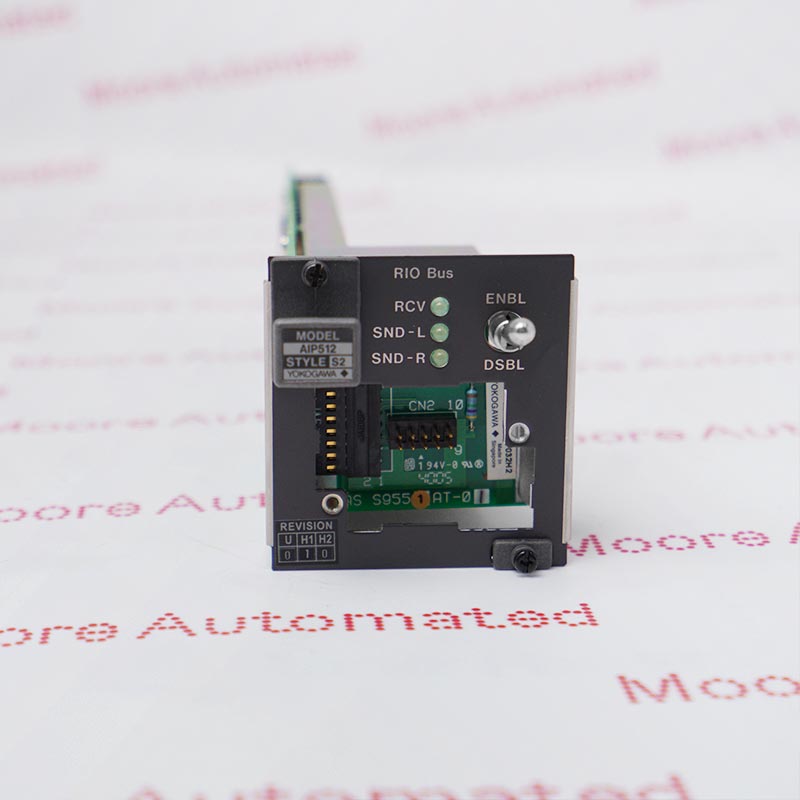
It manages the data flow between external sensors (such as the SMI or EVK series) and the central processing unit (such as the SPCC1), and provides necessary overload protection and electrical isolation to prevent electromagnetic interference on the production line from affecting control accuracy. Status indicator lights on the front panel allow maintenance personnel to quickly determine whether the system power supply is normal and whether the internal bus communication is active, making it a key component for ensuring the long-term stable operation of the SPC16 system.
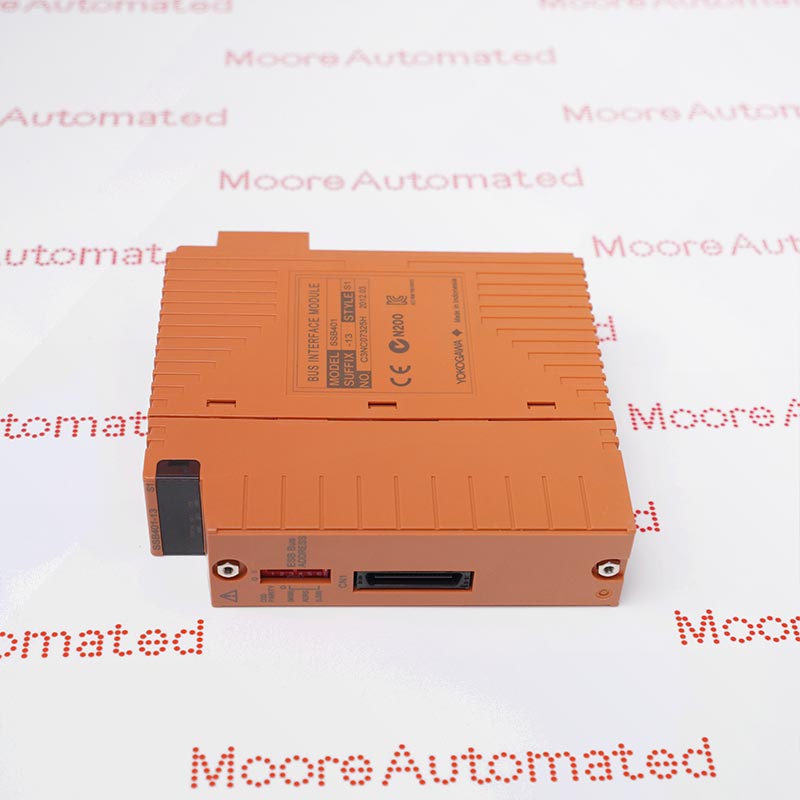
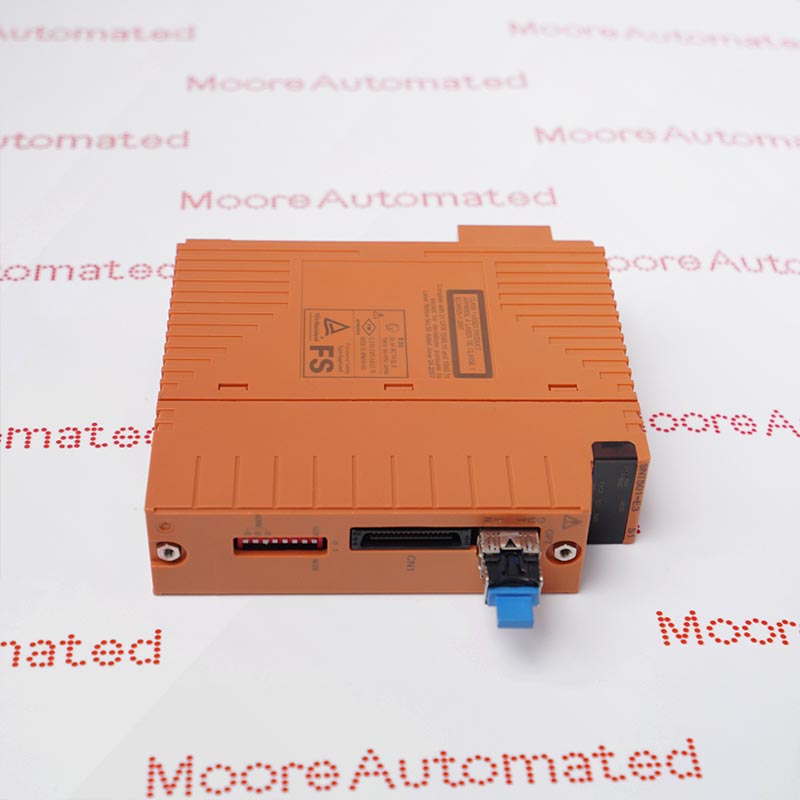
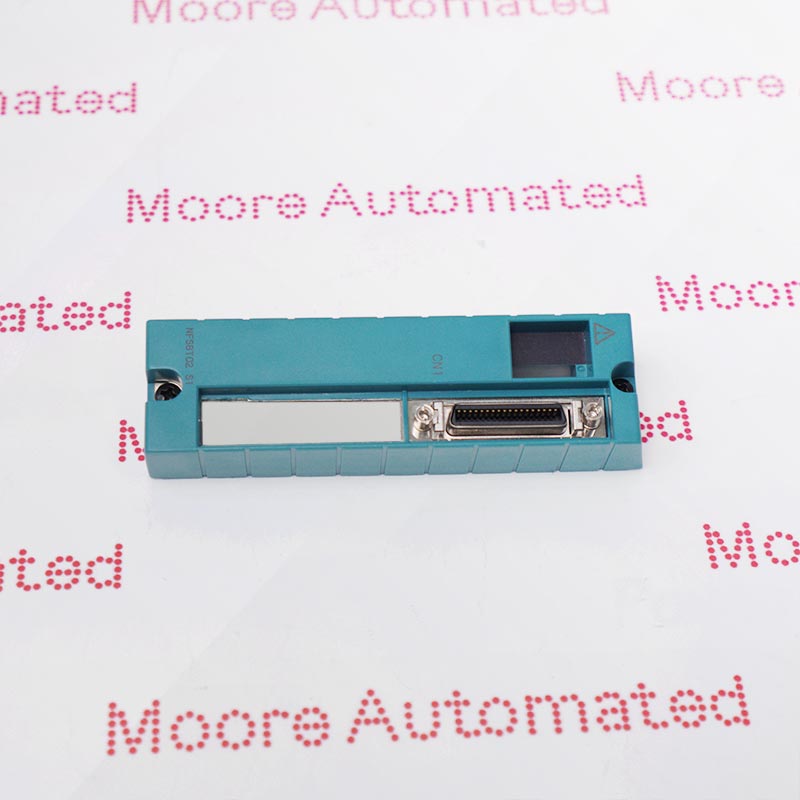
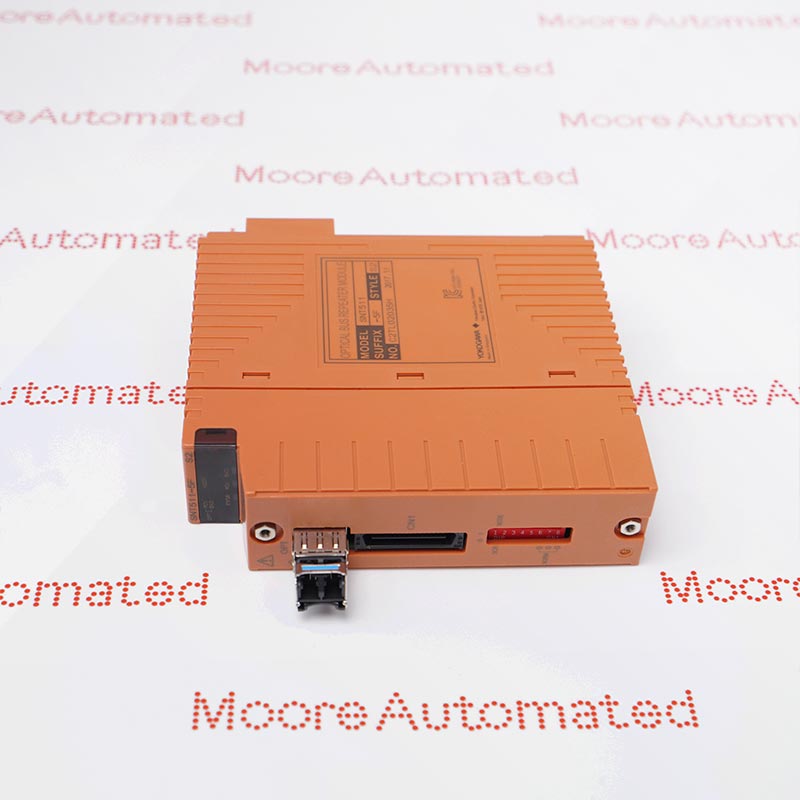
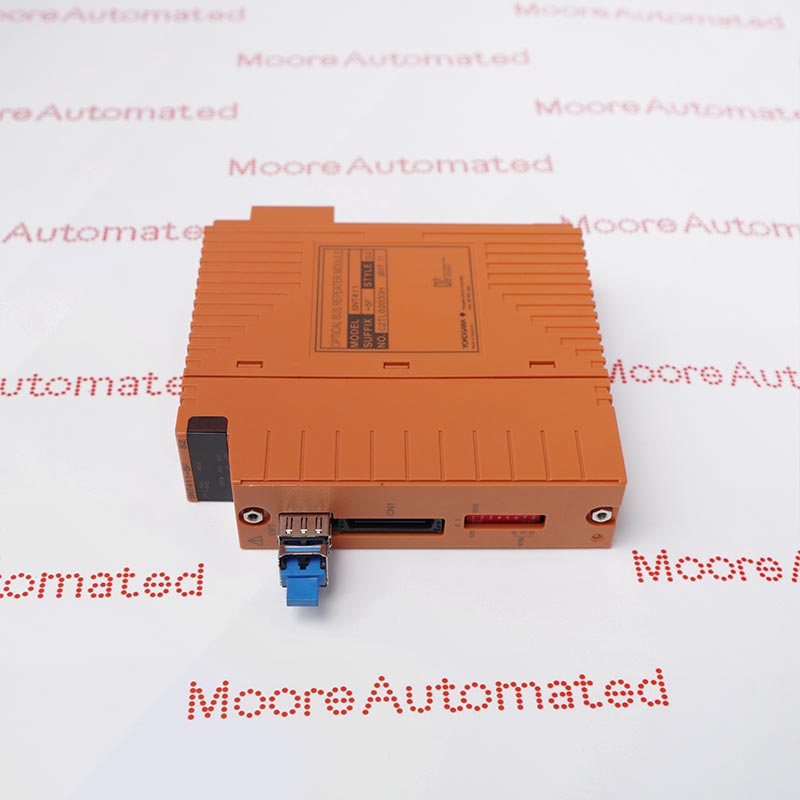
The NET16-1.2 EMG Network/power interface board may still be available for purchase and support from Moore Automated Company beyond End-Of-Life (EOL) by the manufacturer (OEM).
EMG NET16-1.2 Network/power interface board info(manual), Link
Important Notice: Other accessories, manuals, cables, calibration data, software, etc. are not included with this equipment unless listed in the above stock item description. All prices are shown in USD.
It utilizes integrated bus driver circuitry and terminating resistors to construct a closed-loop signal exchange environment on the backplane. When the CPU issues instructions, NET16-1.2 ensures that the level signals are accurately distributed to the corresponding I/O modules and synchronizes the weak current changes of the sensors to the data bus, thereby achieving complete closed-loop support from power supply to logic communication.
Strip Guiding System: Provides power and communication backbone for systems used to manage the lateral position of metal strips (steel, aluminum) during uncoiling and recoiling.
Cold Rolling and Finishing Lines: For galvanizing, pickling, and cleaning lines requiring high availability and resistance to harsh environmental factors (steam, oil mist).
Modular Control Rack: Serves as an insert card within a 19-inch rack, supporting the expansion and synchronization of multiple I/O and processor modules, such as the SPCC1 CPU.
Traditional System Maintenance: Typically used as a critical spare part for the SPC16 series, enabling older plants to maintain precise closed-loop control without requiring a complete system overhaul.