Overview
Manuals
Principle
Features:
- Proximity measurement system
- Non-contact measurement system based on eddy-current principle
- Voltage or current output with protection against short circuits
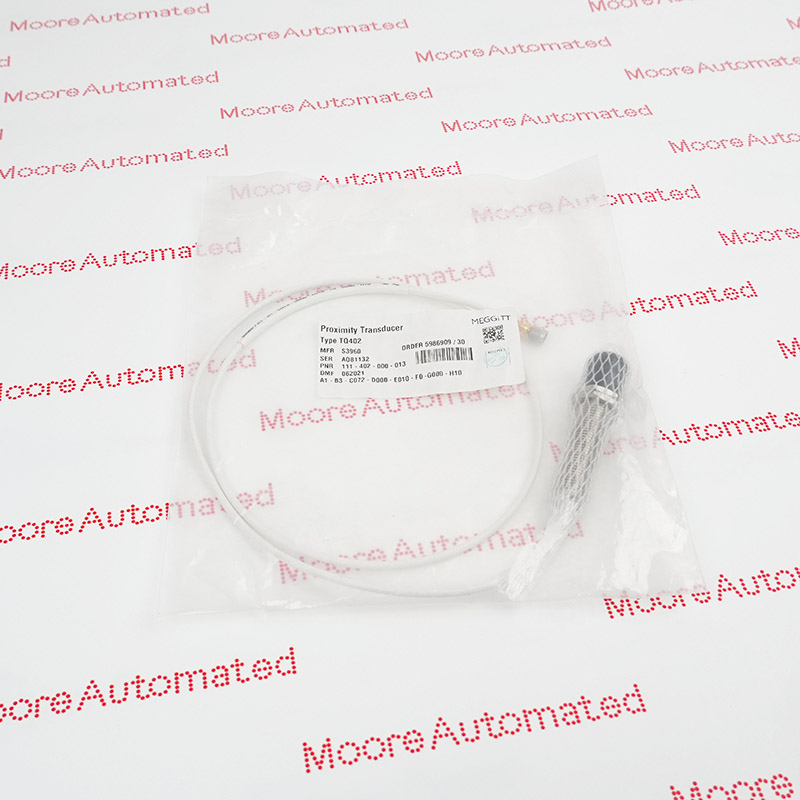
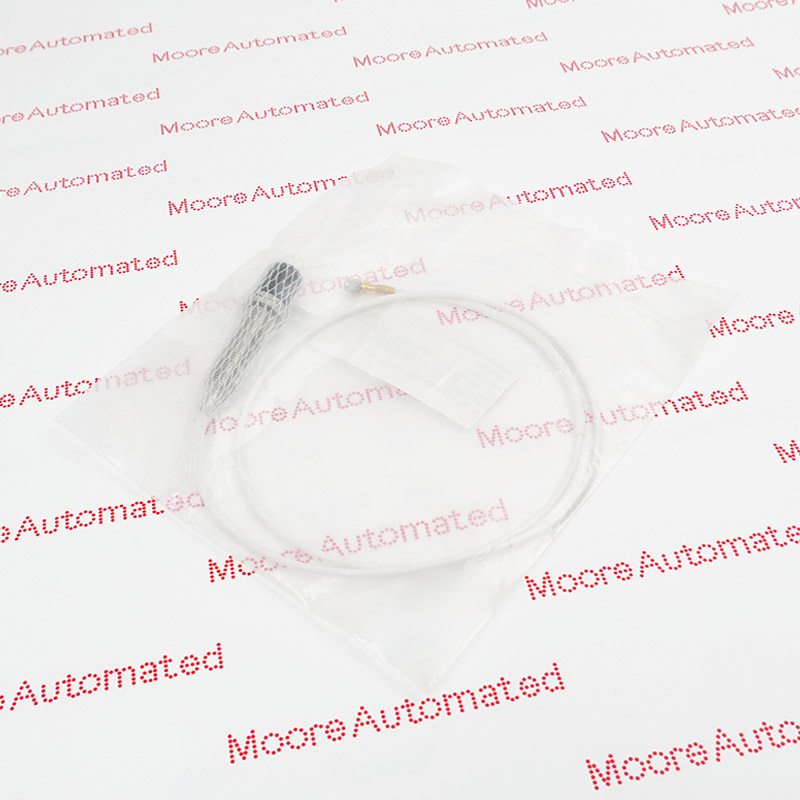
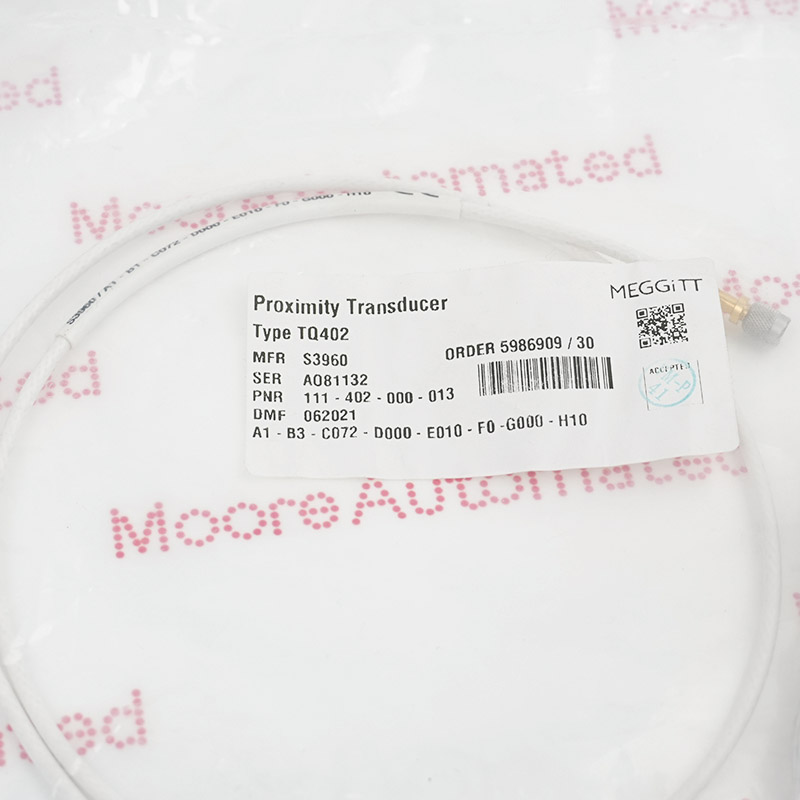
The TQ402 111-402-000-013 is an eddy current proximity probe designed for non-contact measurement of shaft displacement and vibration in rotating machinery. Its primary function is to provide high-precision radial or axial position monitoring of conductive targets such as turbine shafts, compressor rotors, and pump spindles. This probe is commonly used as part of machinery protection and condition monitoring systems, providing accurate displacement signals under harsh industrial operating conditions.
In practical applications, the TQ402 111-402-000-013 improves equipment reliability by continuously monitoring the dynamic characteristics of the shaft, including amplitude, eccentricity, and position changes. It is frequently used in critical equipment where early detection of imbalance, misalignment, or bearing wear is crucial. The probe is meticulously designed with high thermal stability, mechanical strength, and electromagnetic interference resistance, ensuring stable performance even in harsh environments.
The TQ402 111-402-000-013 Vibro-Meter Proximity sensor unit may still be available for purchase and support from Moore Automated Company beyond End-Of-Life (EOL) by the manufacturer (OEM).
Vibro-Meter TQ402 111-402-000-013 Proximity sensor unit datasheet(manual), Link
Important Notice: Other accessories, manuals, cables, calibration data, software, etc. are not included with this equipment unless listed in the above stock item description. All prices are shown in USD.
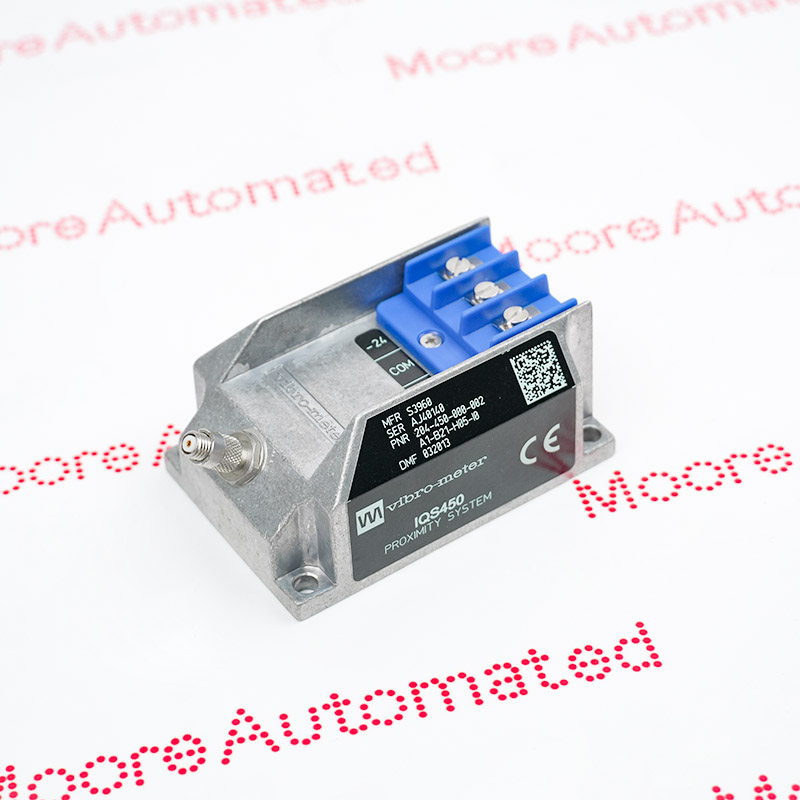
The TQ402 111-402-000-013 operates based on eddy current sensing technology. The probe coil is powered by high-frequency alternating current, generating an electromagnetic field at its tip. When the probe approaches a conductive target, eddy currents are induced on the target surface, causing a change in the probe's impedance, the amount of which is proportional to the gap distance. These impedance change signals are transmitted to a compatible signal conditioner, which converts them into a linear voltage or current output, thereby enabling precise displacement measurement.