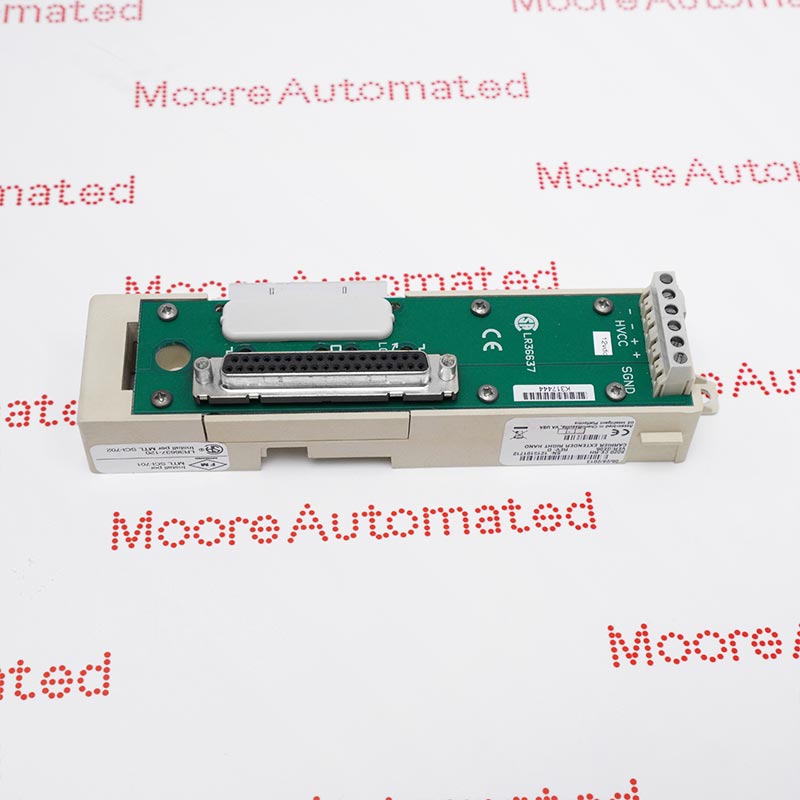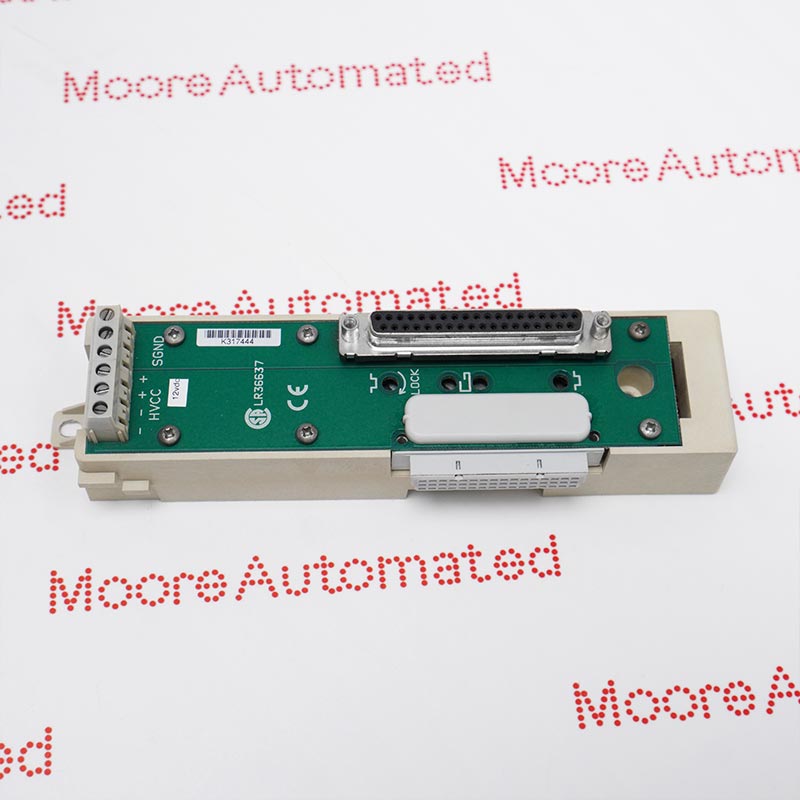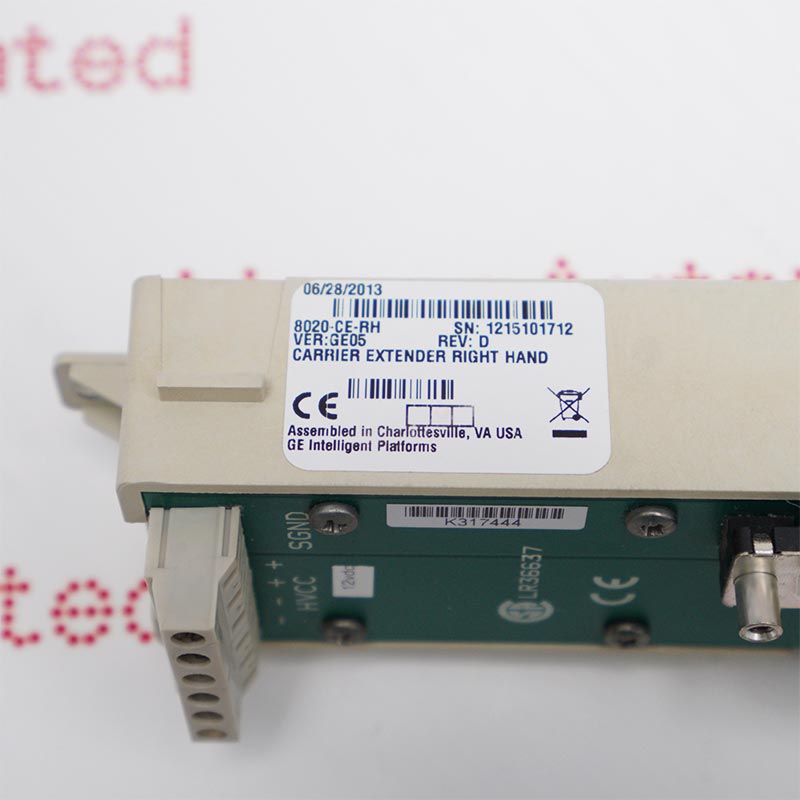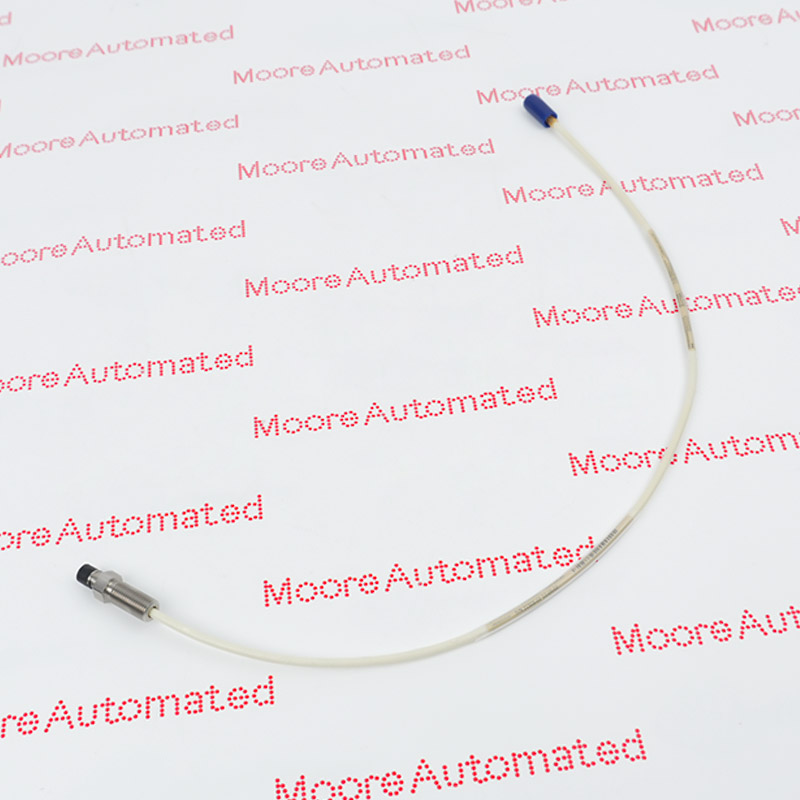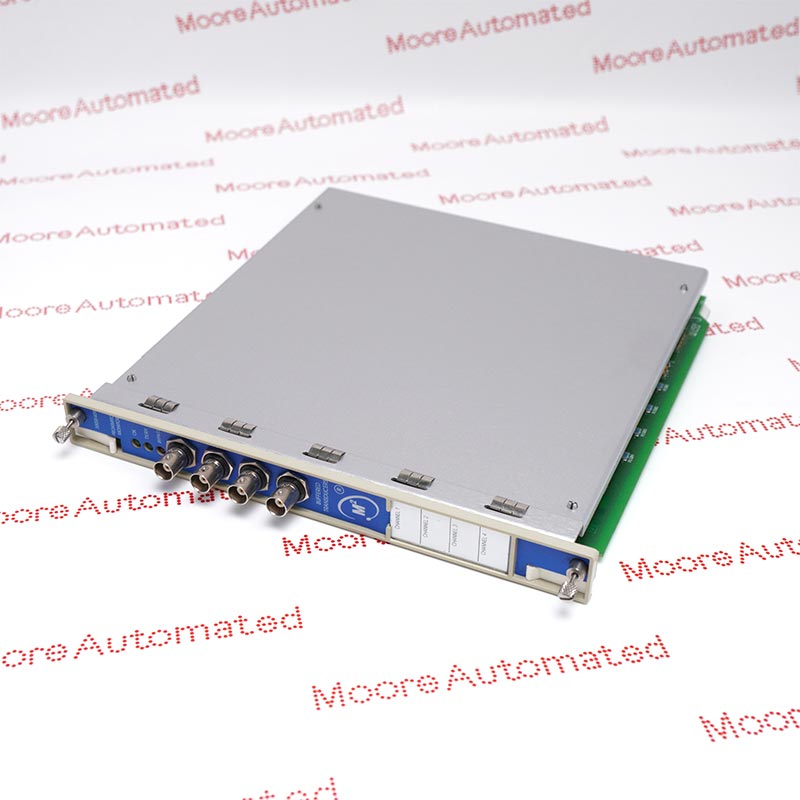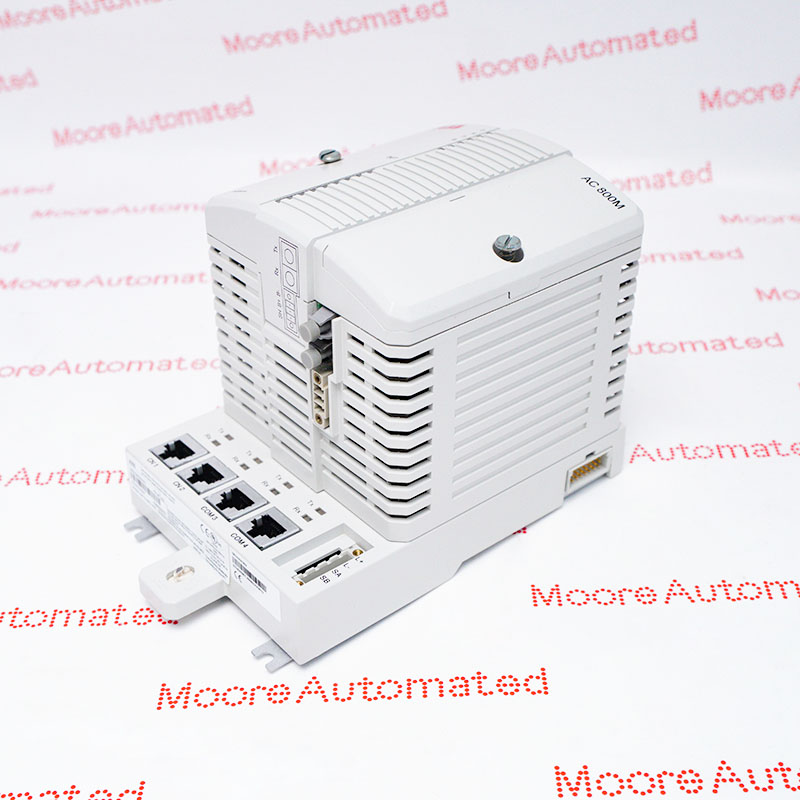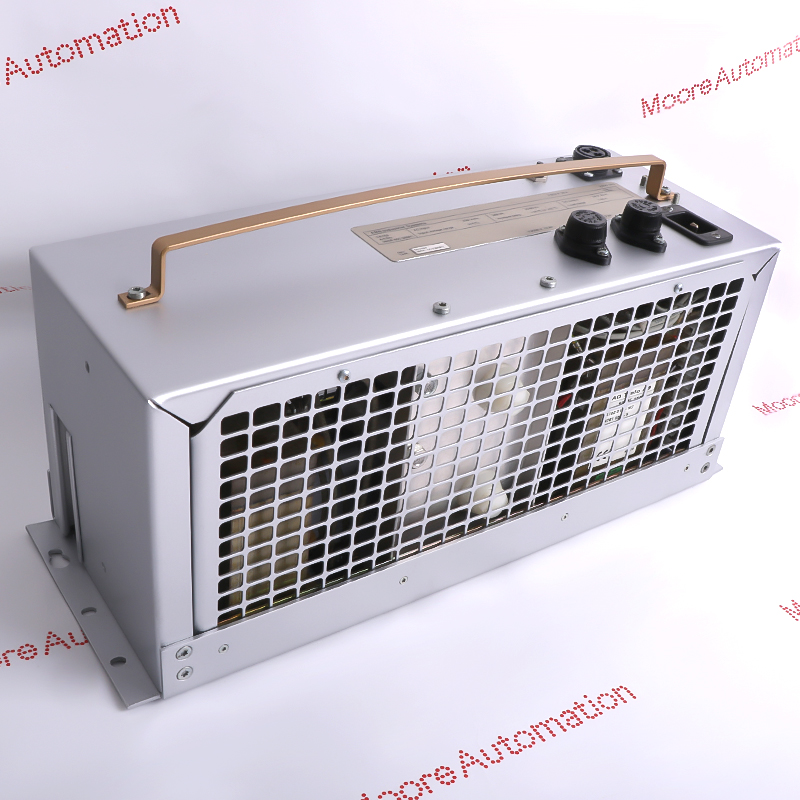
The GE 8020-CE-RH is a critical network/power expansion
component in the PAC8000 process control system (and MTL
Instruments industrial explosion-proof system) of General
Electric (GE / GE Fanuc / Emerson, now merged into Emerson)
Its official full name is Carrier Extender, Right-Hand. In large
DCS (Distributed Control System) or PLC field cabinets, when
there are insufficient base slots or physical space constraints
necessitate separate placement of controllers and I/O modules
it primarily handles cross-area bus and power bridging
What is the system-level functional classification of the 8020-CE-RH within an industrial datasheet topology?
The 8020-CE-RH can be classified as a high-integrity industrial-grade electronic interface module, designed for deterministic operation within constrained electromechanical environments. In datasheet terms, it is typically positioned as a system-level integration node optimized for signal conditioning, interconnect stability, and operational continuity under industrial stress conditions.
How does the 8020-CE-RH achieve environmental compliance under extended thermal-hygrometric stress conditions?
The 8020-CE-RH is engineered to sustain performance under elevated thermal gradients and humidity exposure through the utilization of environmentally resilient substrate materials and encapsulation methodologies. Its datasheet-defined operational envelope generally emphasizes non-degradative performance retention under long-duration thermal cycling and moisture ingress scenarios.
Which electromagnetic compatibility (EMC) design principles are embedded within the 8020-CE-RH architecture?
The 8020-CE-RH incorporates EMC optimization strategies centered on noise suppression, differential immunity enhancement, and conductive/radiative interference mitigation. Its design philosophy aligns with industrial EMC compliance frameworks, ensuring robust operation in electrically dense environments with minimal susceptibility to transient disturbances.
What electrical interface abstraction model governs the integration of the 8020-CE-RH?
The 8020-CE-RH typically adheres to a standardized electrical abstraction layer, enabling interoperability with modular industrial control systems. Its datasheet-defined interface model includes parameters such as impedance matching, voltage domain alignment, and connector standardization for seamless plug-in integration.
How is signal integrity preserved in high-noise industrial environments for the 8020-CE-RH?
For the 8020-CE-RH, signal integrity is maintained through a combination of controlled impedance routing, electromagnetic shielding structures, and transient suppression mechanisms. These measures collectively minimize jitter, attenuation, and bit-error susceptibility in electrically hostile conditions.
What failure mechanism taxonomy is associated with the lifecycle analysis of the 8020-CE-RH?
The 8020-CE-RH is evaluated under a multi-domain failure taxonomy that includes thermo-mechanical fatigue, contact degradation, dielectric breakdown, and latent manufacturing defect propagation. Its reliability profile is typically quantified through mean time between failures (MTBF) and stress-strength interference modeling.
How does the 8020-CE-RH support modular scalability in distributed industrial architectures?
The 8020-CE-RH supports modular scalability through standardized footprint compatibility and hierarchical system integration capability, enabling it to function as a scalable node within distributed automation frameworks. This allows progressive system expansion without requiring architectural redesign.
For more information on how your data is processed and stored by Moore automated please read our privacy policy.
Trusted by 5,000+ plants worldwide | Backed by our vast inventory of top-tier control parts, drives and servo motors, fast shipments are dispatched to cover your urgent needs. ABOUT US >>
Moore Disclaimer: Moore Automated's sales automation equipment and related solutions are intended for industrial automation and business operational efficiency improvement purposes only. Product information, technical parameters, and application cases are for reference only and do not constitute an absolute guarantee of performance for any specific industry, scenario, or final application. Actual equipment performance may vary depending on factors such as the usage environment, system integration method, and maintenance conditions. Users should confirm compatibility and safety based on professional technical assessments. Moore Automated assumes no liability for any direct or indirect losses caused by improper use, modification, or failure to operate according to specifications, to the extent permitted by law.