
Registered Address: 32D Floor Guomao Building, No.388, Hubin South Road, Siming District, Xiamen,Fujian, China
ISO 9001:2015 Certified
Our quality management system covers sourcing,testing and dispatch

CC-PWRB01 is the Honeywell Series C 20 A redundant power-system configuration supplied with a 24 V backup battery assembly. Two AC supplies support normal operation, while the battery subsystem provides limited DC ride-through after the incoming mains supply is lost.
The Honeywell CC-PWRB01 addresses two different loss-of-power conditions in a Series C cabinet. Its two AC supplies provide redundancy during normal powered operation, while the separate 24 V backup subsystem supports the DC load for a limited period after mains power is unavailable. Honeywell identifies the complete configuration as assembly 51199940-100. The backup rating is conditional on load and battery condition, and must not be treated as unlimited operation or a substitute for the plant power-continuity design.
For a replacement order, distinguish the complete system from a supply module, battery rack or battery kit. Inspect the existing charging and alarm arrangements, record battery age and capacity-test results, and identify all components included in the shipment. Honeywell gives different maintenance intervals for supplies, main backup batteries and memory batteries. Qualified personnel should follow the approved service procedure and verify the DC output, supply alarms and battery alarm response after maintenance, with process effects assessed in advance.
The backup assembly is specified for up to 30 minutes at a 20 A load under the manufacturer conditions. That is a design rating, not a guaranteed duration for an aged battery. Establish usable capacity by the approved test and account for actual cabinet load, temperature and battery history.
The battery subsystem includes charging and monitoring functions in addition to the two normal AC supply paths. Review the applicable wiring and alarm diagrams for the installed revision. Confirm that battery and supply faults reach the intended control-system alarms; a normal supply output does not prove battery readiness.
Honeywell lists a typical three-to-five-year interval for main 24 V backup batteries, affected by temperature, charging and discharge history. Its service guidance calls for capacity checks and replacement when performance is inadequate. This battery interval must not be confused with the separate power-supply service-life guidance or a product EOL date.
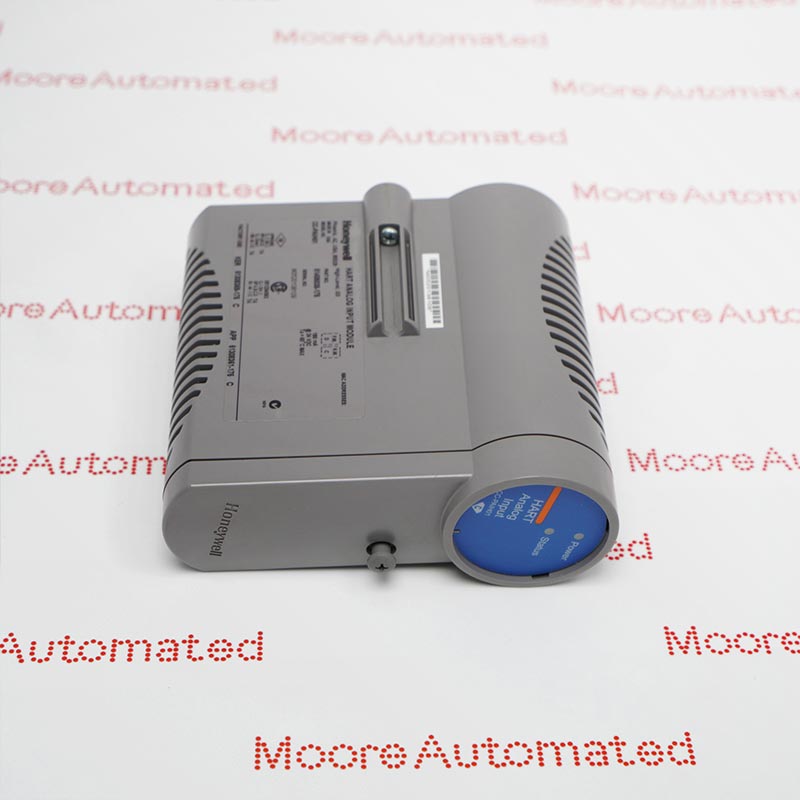
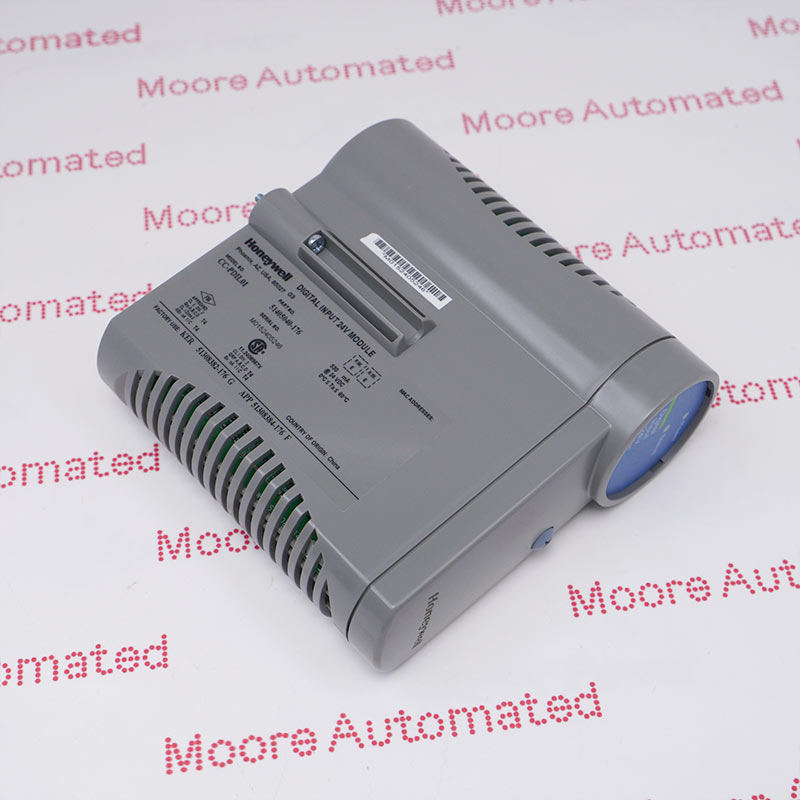
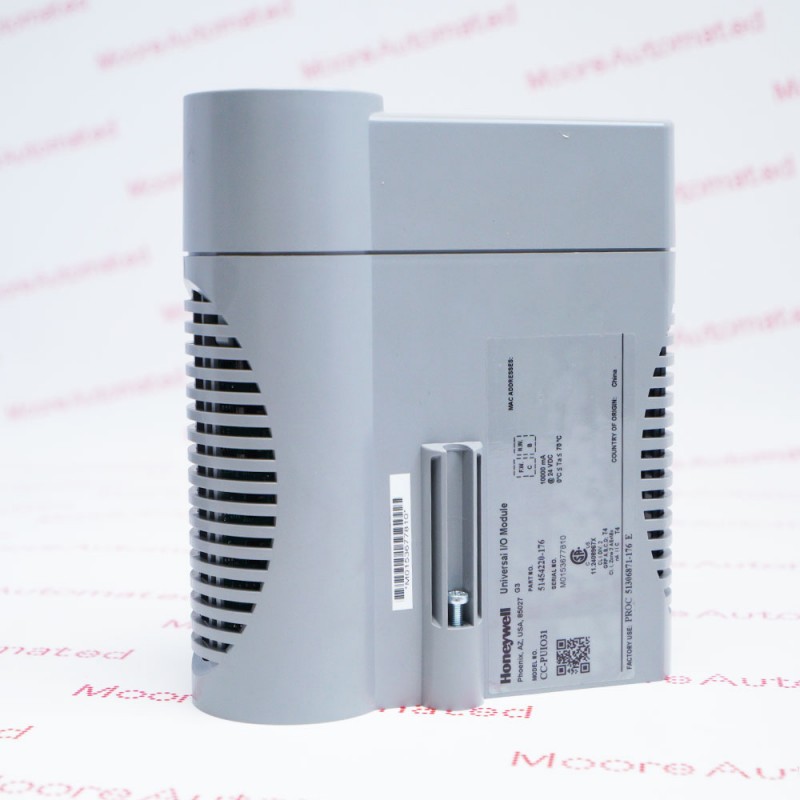
Identify the complete 51199940-100 system and determine whether the replacement order includes batteries, rack, charging hardware and interconnecting cables. A photograph of a power supply alone does not verify the battery-backed configuration. Review the connected load and required ride-through time against the documented rating, then confirm battery condition through the site-approved maintenance records or capacity test.
Commissioning should cover the normal supply paths, DC output and the battery charging and alarm functions. Any interruption test must be planned by qualified personnel under an approved procedure, with the control-system and process consequences understood. Record the tested configuration, battery condition and alarm results. Do not describe the system as fully commissioned solely because its normal AC-powered output is present.
Honeywell includes CC-PWRB01 in its January 2025 Series C power-system service guidance. That document addresses installed-equipment maintenance and does not declare a model-specific discontinuation date. A current OEM lifecycle designation has not been established by the cited sources, so this page does not label the product Active or Discontinued.
Power-supply age and condition should be reviewed against Honeywell maintenance guidance, including the increased failure risk around ten years of service. Moore Automated can confirm the condition, included components and availability of the quoted item; service-life estimates do not extend the OEM rating or establish remaining useful life.

Registered Address: 32D Floor Guomao Building, No.388, Hubin South Road, Siming District, Xiamen,Fujian, China
MooreAutomated.com is the official website and primary online platform operated by Moore Automation Limited. The website provides information about the company’s industrial automation parts sourcing services, product coverage and customer support. Moore Automation Limited operates as an independent supplier and is not an authorized distributor or representative of the manufacturers displayed on this website unless expressly stated.