

Registered Address: 32D Floor Guomao Building, No.388, Hubin South Road, Siming District, Xiamen,Fujian, China
ISO 9001:2015 Certified
Our quality management system covers sourcing,testing and dispatch
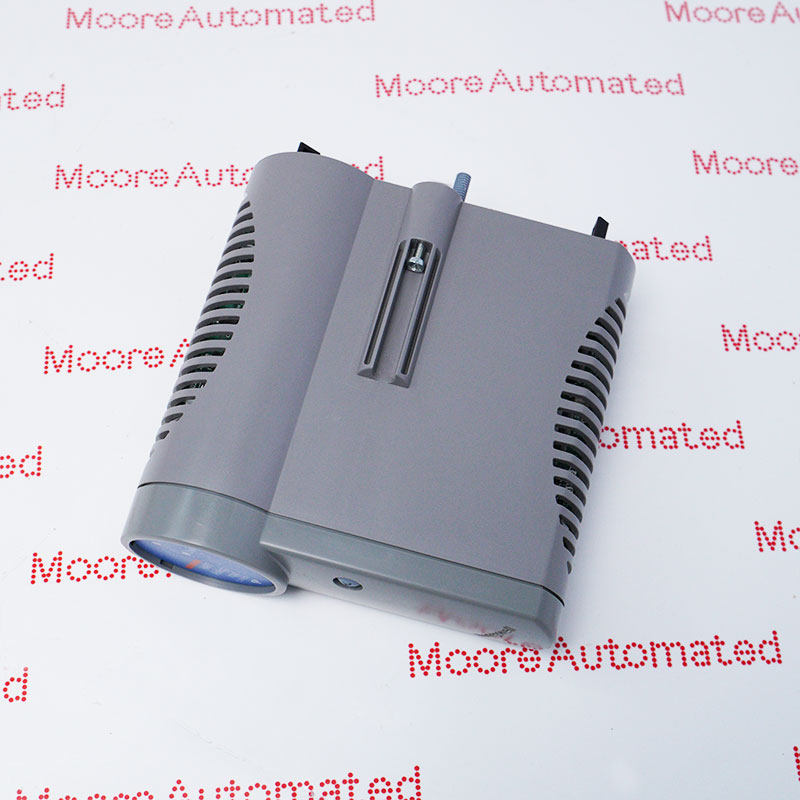


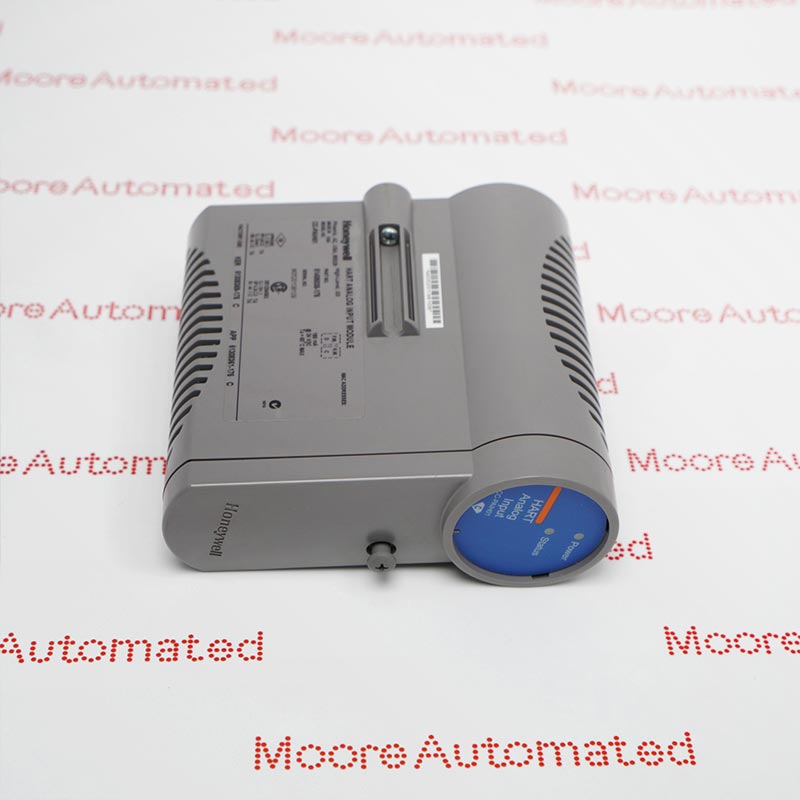
CC-PAIH02 51405038-375 is a Honeywell Series C high-level analog input module with HART communication. It accepts transmitter current or voltage signals through a compatible IOTA, with 16 input channels, 16-bit conversion and a documented 50 ms input scan. The IOTA determines the available differential-input arrangement: TAIX assemblies support differential operation on channels 13-16, while TAID assemblies support channels 1-16. Confirm the complete unit marking, installed IOTA and configured input range before replacement.
Honeywell identifies CC-PAIH02 as the Series C high-level analog input module with HART. It handles measurements from two-wire or self-powered transmitters through a compatible termination assembly. The manufacturer specifies 16-bit conversion, a 50 ms analog input scan and voltage ranges of 0-5 V, 1-5 V and 0.4-2 V, together with 4-20 mA measurement through a 250-ohm load. Multiple HART modems support information exchange with suitable smart instruments. The analog scan specification must not be interpreted as the update time of every HART variable or diagnostic message.
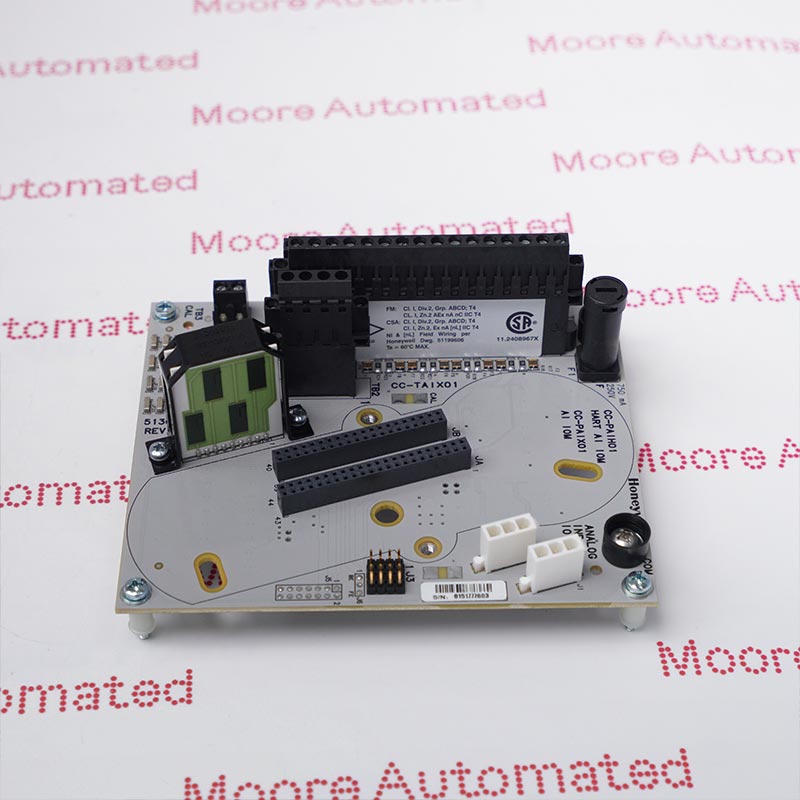
Input configuration must be checked against the IOTA rather than inferred from the module name alone. Honeywell's compatibility matrix assigns differential channels 13-16 to CC-TAIX01/11 and channels 1-16 to CC-TAID01/11. The documented common-mode limit is -6 to +5 V peak. Non-redundant and redundant assemblies, as well as dedicated GI/IS arrangements, have different installation requirements. Preserve the installed channel wiring, jumper arrangement, input range, controller configuration and compatible hardware revision. Retain the complete 51405038-375 marking for receiving inspection without assuming another suffix or a visually similar module is interchangeable.
Current measurements use the IOTA's 250-ohm load path; the manufacturer lists 4-20 mA and three voltage ranges. Voltage operation requires the appropriate channel jumper arrangement described in the original footnote and installation manual. Qualified personnel must follow the exact IOTA wiring instructions; do not assume every channel on every termination assembly has identical voltage or differential wiring.
The module supports HART-capable multivariable transmitters and uses multiple modems to collect instrument information. Analog measurement and HART communication are related but distinct functions. Confirm that the transmitter, channel configuration and installed system support the intended digital variables. The specified 50 ms analog input scan is not a guaranteed polling interval for all HART information.
CC-TAIX01 and CC-TAIX11 support differential use on channels 13-16, while CC-TAID01 and CC-TAID11 provide differential arrangements for channels 1-16. The suffix distinguishes non-redundant and redundant termination choices. GI/IS use requires the dedicated compatible IOTA and approved installation. Match channel mode and common-mode limits before assuming that two termination assemblies can be exchanged.
The signal path depends on both the electronic module and the fitted IOTA. Preserve the selected current or voltage range, terminal assignment and approved jumper configuration when replacing a unit. A 250-ohm load converts the current-loop signal for measurement, while voltage-input operation requires the manufacturer's specified configuration. Check the allowed common-mode voltage and the correct differential channel arrangement; a 16-channel module does not make every IOTA a sixteen-channel differential termination.
During commissioning, validate the analog reading with an appropriate test source and confirm the intended scaling, engineering units and alarm limits in the control project. Where HART is used, check communication and the required instrument variables separately from the analog measurement. Review open-wire and module diagnostics, and verify redundancy status where applicable. Follow the installed system's approved maintenance procedures and place the affected process in a safe state before changing field wiring or modules.




Registered Address: 32D Floor Guomao Building, No.388, Hubin South Road, Siming District, Xiamen,Fujian, China
MooreAutomated.com is the official website and primary online platform operated by Moore Automation Limited. The website provides information about the company’s industrial automation parts sourcing services, product coverage and customer support. Moore Automation Limited operates as an independent supplier and is not an authorized distributor or representative of the manufacturers displayed on this website unless expressly stated.