
Registered Address: 32D Floor Guomao Building, No.388, Hubin South Road, Siming District, Xiamen,Fujian, China
ISO 9001:2015 Certified
Our quality management system covers sourcing,testing and dispatch
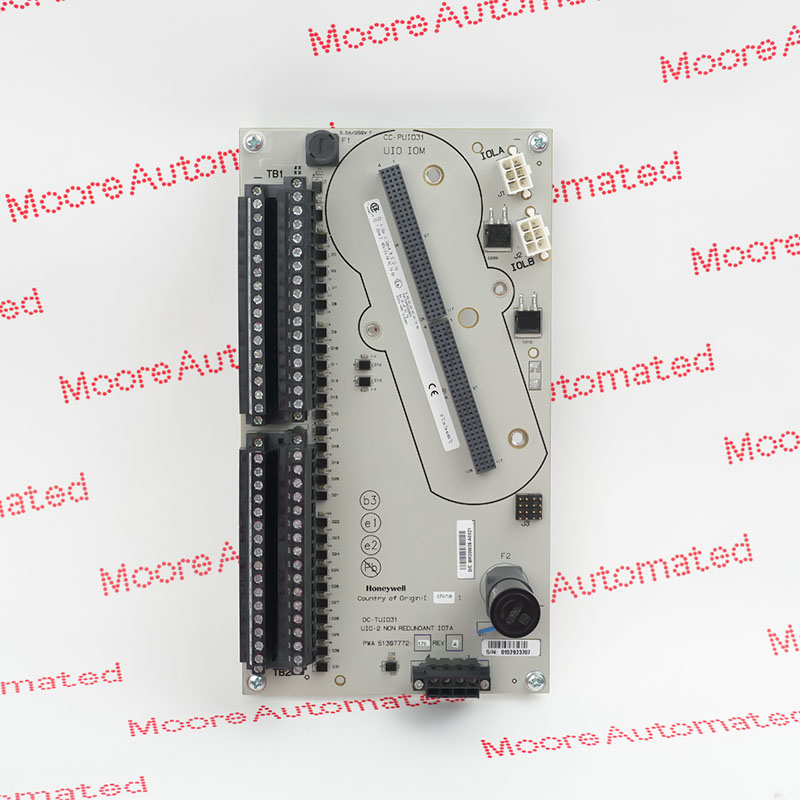
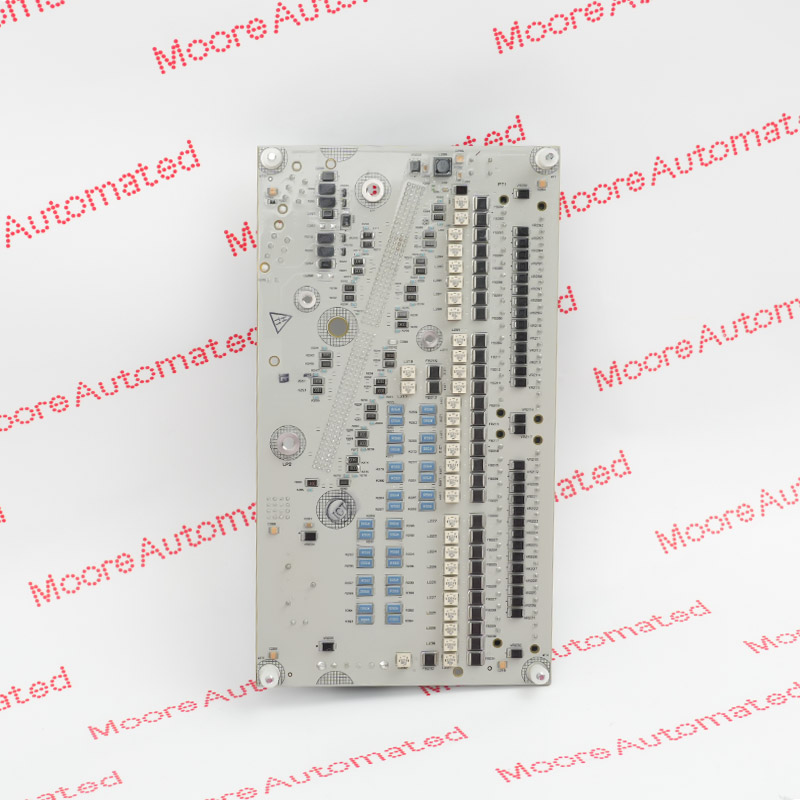
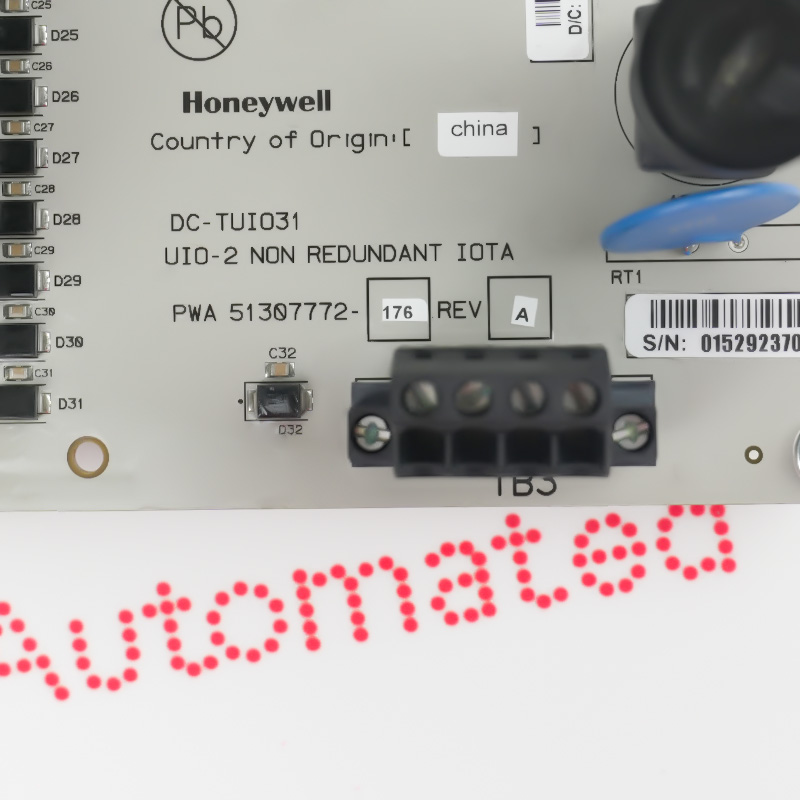
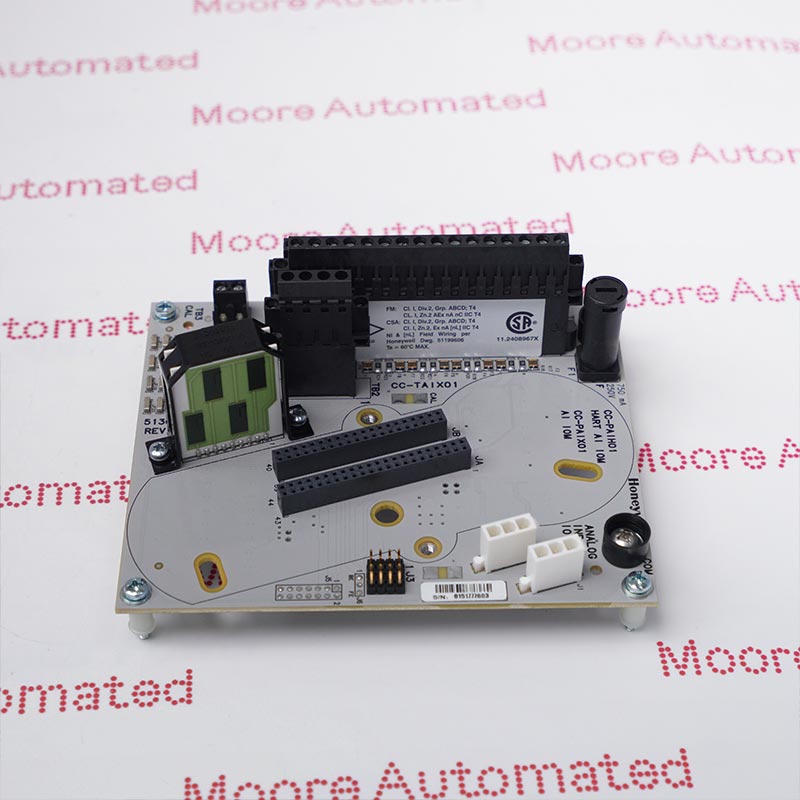
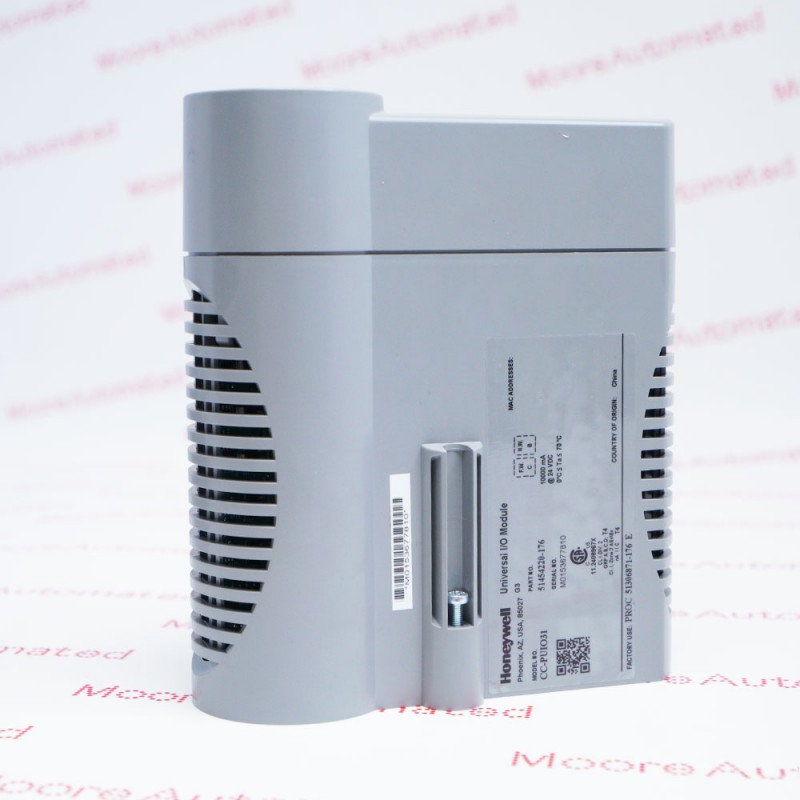
DC-TUIO31 51307772-176 is a Honeywell UIO-2 non-redundant input/output termination assembly for the CC-PUIO31 module. It provides the field-wiring interface and one IOM mounting position for a 32-channel universal I/O arrangement. Signal processing and AI/AO/DI/DO mode selection are performed by the installed IOM, not by the termination board alone. The existing close-up identifies revision A and China as the pictured item's origin.
The DC-TUIO31 51307772-176 is the non-redundant termination assembly in a Honeywell UIO-2 installation, providing the physical field interface and mounting connection for one compatible IOM. Honeywell's September 2024 compatibility table explicitly pairs DC-TUIO31 with CC-PUIO31. The existing product photograph independently confirms the non-redundant designation and board part number. Its TB1 and TB2 terminal groups serve the field connections, while the installed electronic module performs the channel processing and configuration required by the control application.
The UIO-2 system can combine analog and discrete duties, but universal does not mean every sensor can be wired directly. The documented analog-input interface accepts 0–20 mA or 4–20 mA current; voltage sources, thermocouples, RTDs and NAMUR devices need suitable external conversion or interfacing. Analog outputs provide configured current commands, and digital-output loading must remain within the matched IOM's limits. Preserve the field wiring, channel assignments and required terminal components during replacement, and verify each affected loop before returning the installation to service.
Honeywell lists DC-TUIO31 as an IOTA paired with the CC-PUIO31 UIO-2 module. The pictured board is marked non-redundant and has one IOM position. A redundant arrangement needs its designated hardware; adding another module or choosing a similar suffix does not convert this board. Check the complete ordering code, revision and approved system configuration before replacement.
For the matched UIO-2 system, analog inputs accept 0–20 mA or 4–20 mA and analog outputs provide 4–20 mA commands. Direct voltage, thermocouple, RTD and NAMUR inputs are outside the documented current-input interface. Select suitable external conditioning where required and verify transmitter power, common reference and channel configuration before connecting field devices.
A configured UIO-2 digital-output channel can supply up to 0.5 A under the applicable system conditions. Digital-input open-wire detection requires the specified field resistor arrangement and configuration. These functions belong to the assembled IOM/IOTA system, not the bare board. Follow the approved wiring and release-specific instructions; do not assume that terminal appearance determines signal mode.
Keep the termination assembly separate from the electronic IOM in the replacement scope. The pictured DC-TUIO31 supports a non-redundant UIO-2 arrangement and is associated with CC-PUIO31 in the manufacturer compatibility table. Confirm whether the order covers only the board or also terminal components, mounting parts and the electronic module. Match the complete part number and revision; an identically shaped assembly or a different prefix is not, by itself, evidence of a direct replacement.
Record the existing wiring and configured signal type for every affected channel before disturbing the assembly. Current-input devices, analog-output loads and discrete circuits have different connection and power requirements even though they share a universal I/O platform. Verify suitable external interfaces for unsupported sensor types and check the digital-output load against the matched module's limit. Restore the approved configuration and complete the required loop checks under the site's commissioning procedure before returning the equipment to operation.

Registered Address: 32D Floor Guomao Building, No.388, Hubin South Road, Siming District, Xiamen,Fujian, China
MooreAutomated.com is the official website and primary online platform operated by Moore Automation Limited. The website provides information about the company’s industrial automation parts sourcing services, product coverage and customer support. Moore Automation Limited operates as an independent supplier and is not an authorized distributor or representative of the manufacturers displayed on this website unless expressly stated.