Overview
Manuals
Principle
Common Use Cases
Features:
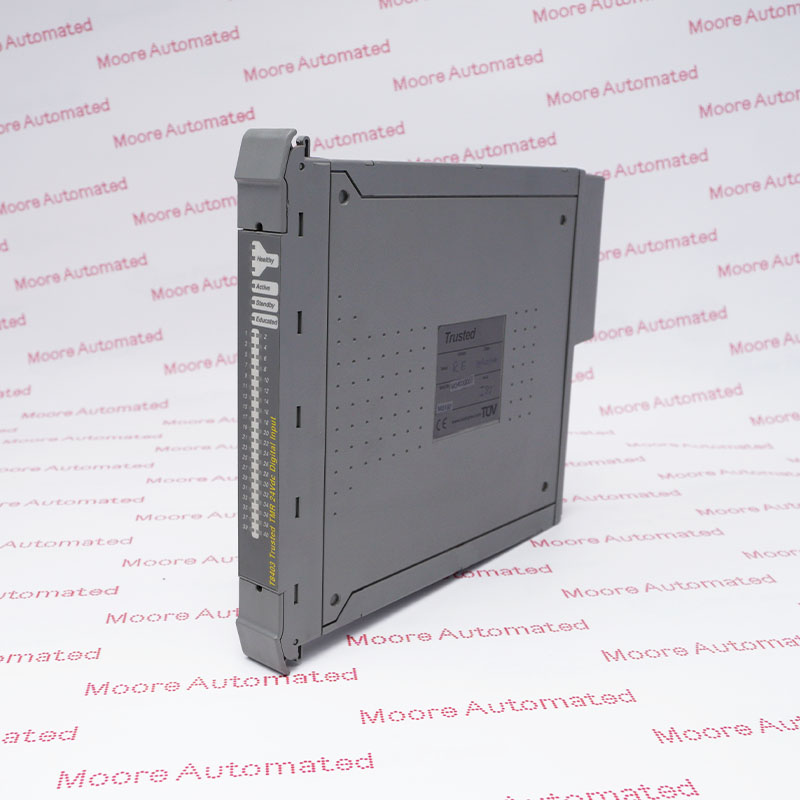
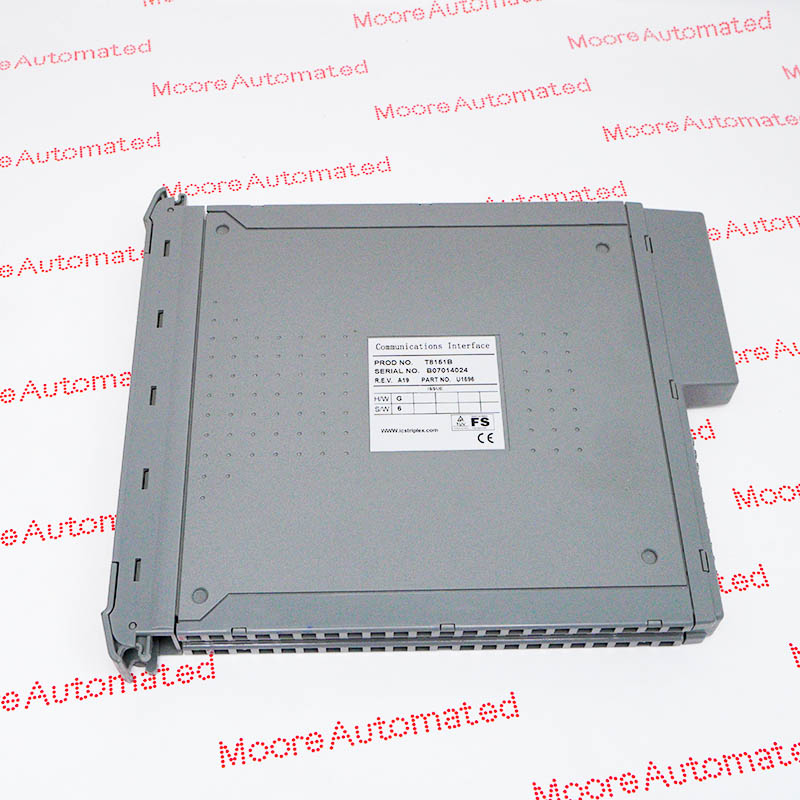
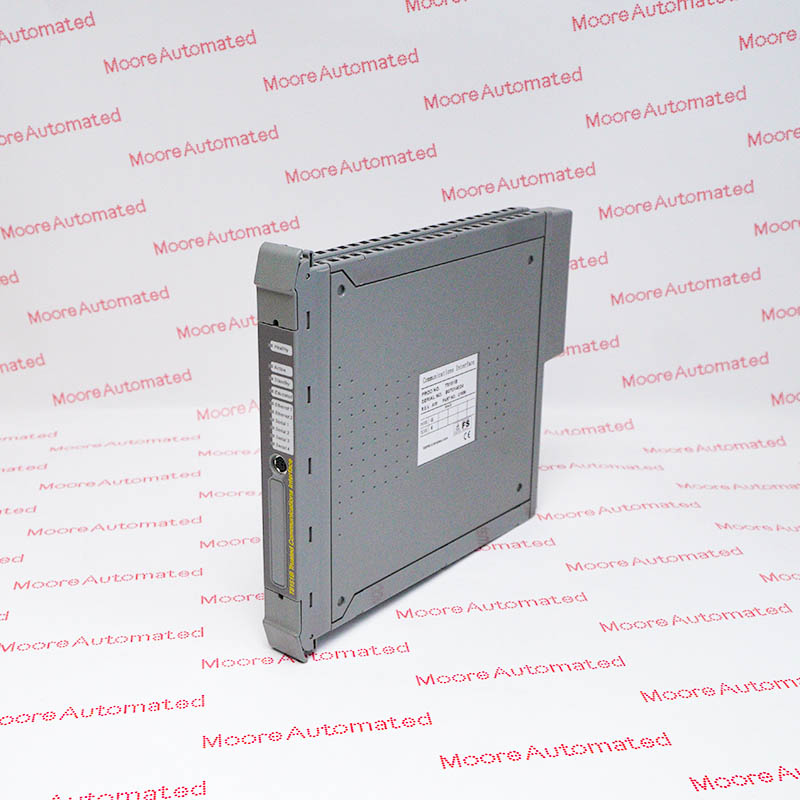
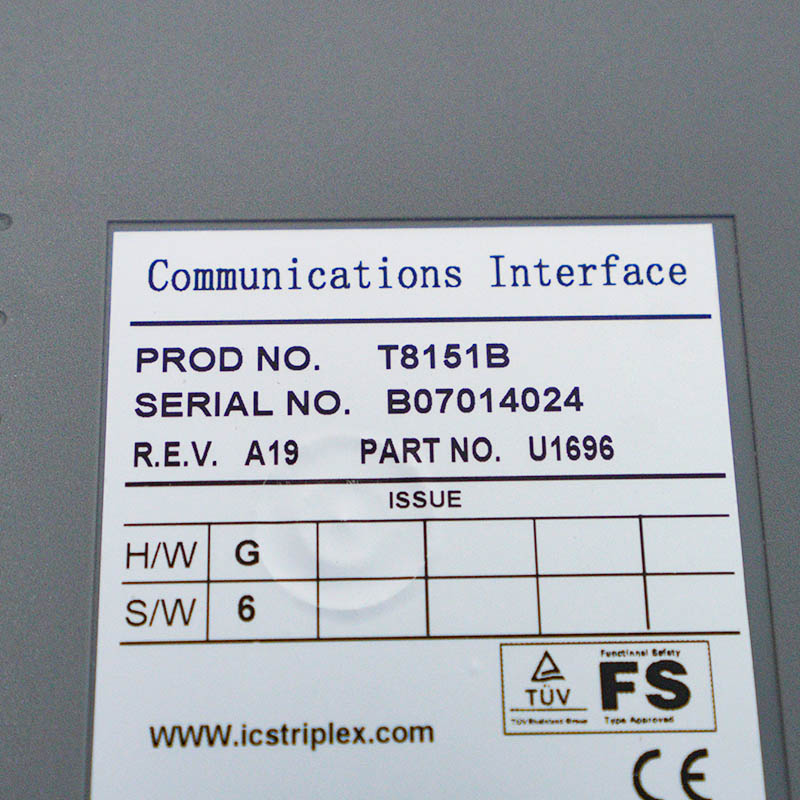
- Communication interface module
- Triple Modular Redundant (TMR), fault tolerant (3-2-0) operation
- Hardware Implemented Fault Tolerant (HIFT) architecture
The Trusted TMR processor is a fault-tolerant design based on a Triple Module Redundancy (TMR) architecture, operating in a synchronous configuration. Figure 1 illustrates the basic structure of the Trusted TMR processor module in a simplified manner.
The module comprises three Processor Fault Isolation Regions (FCRs). Each FCR contains an NXP PowerQUICC® II™ series processor and its associated memory (EPROM, DRAM, Flash ROM, and Flash RAM), memory-mapped I/O, a voter, and glue logic. Each processor FCR employs a 2/3 (2oo3) read permission voting mechanism to vote on the memory systems of the other two processor FCRs to eliminate operational discrepancies.
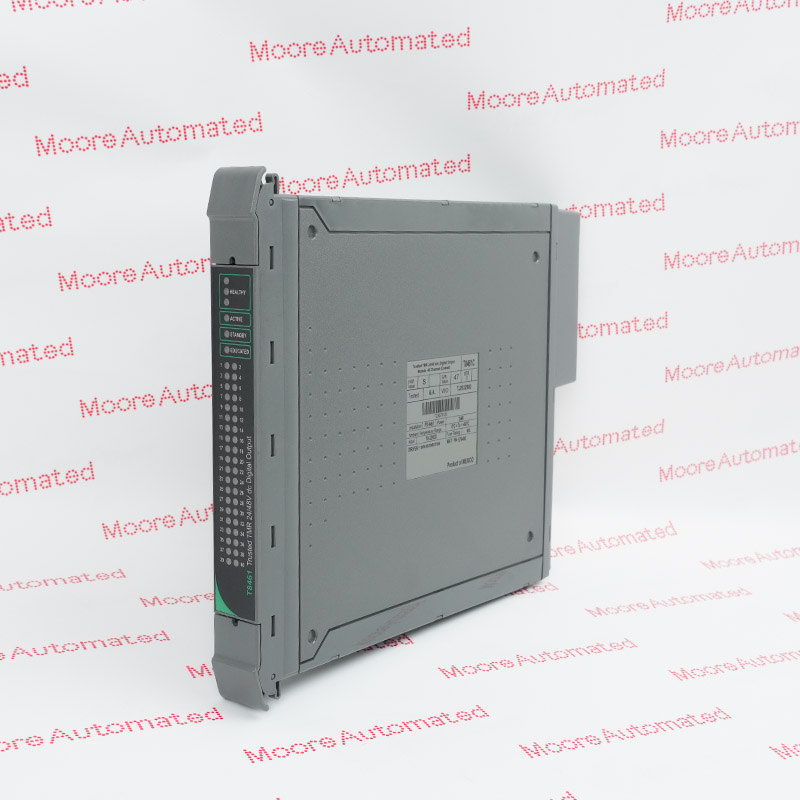
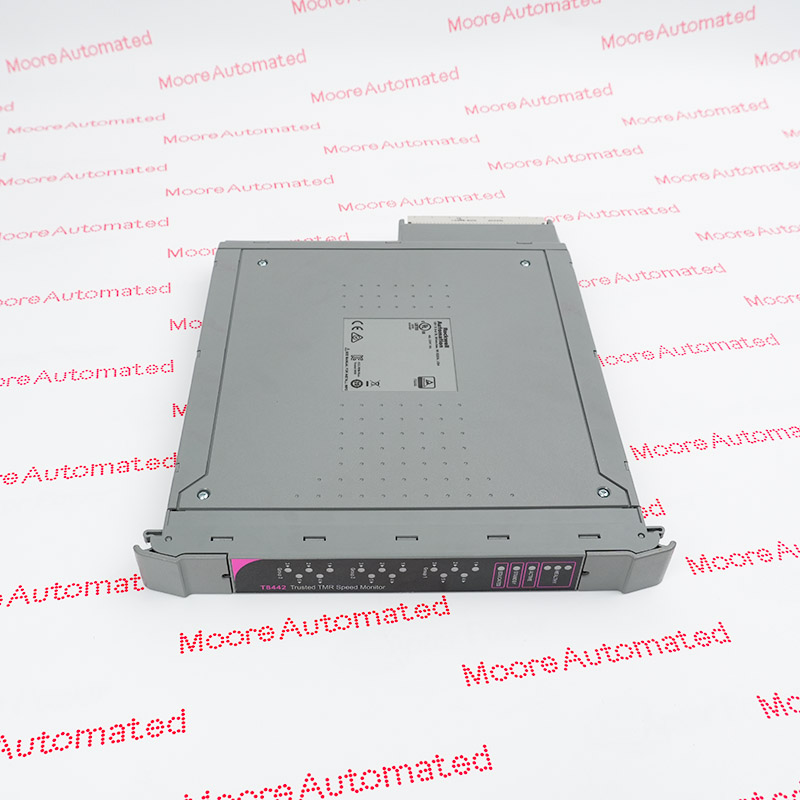
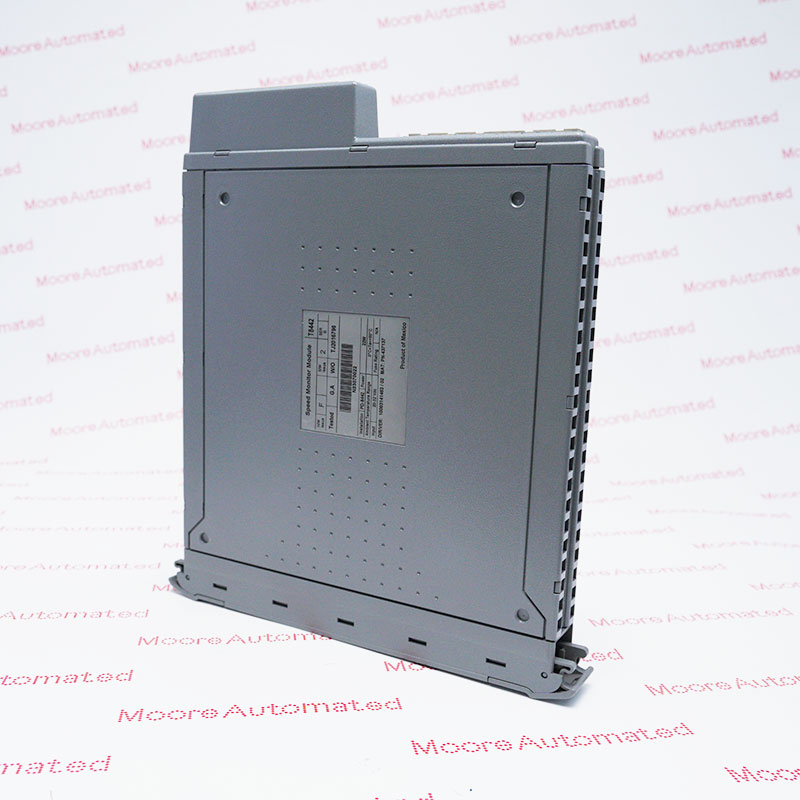
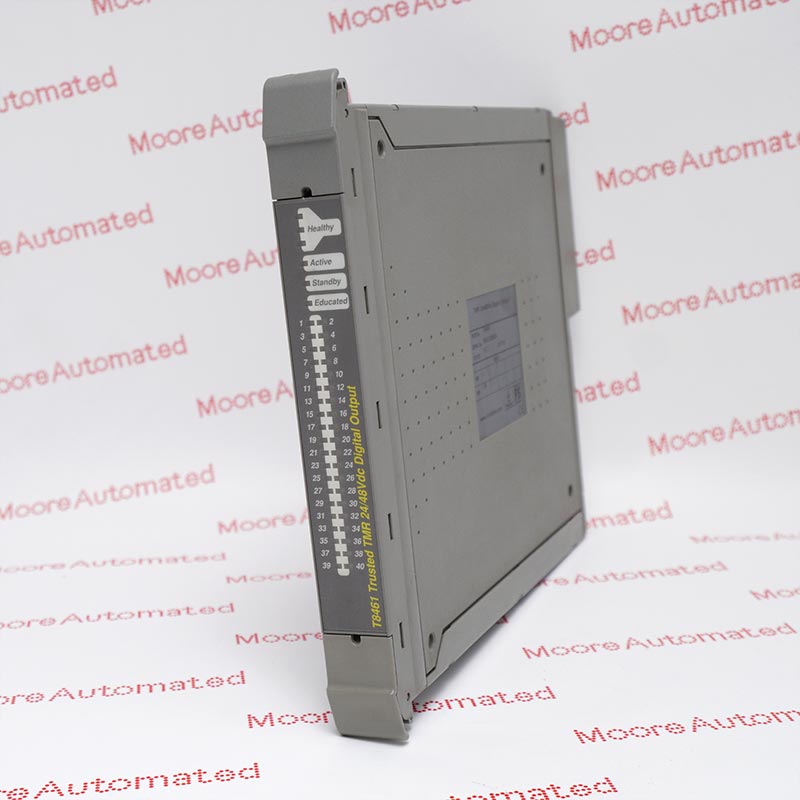
The T8151B ICS triplex Communication interface module may still be available for purchase and support from Moore Automated Company beyond End-Of-Life (EOL) by the manufacturer (OEM).
ICS Triplex T8151B Communication interface module maunal(Datasheets), Link
Important Notice: Other accessories, manuals, cables, calibration data, software, etc. are not included with this equipment unless listed in the above stock item description. All prices are shown in USD.
The three processors in this module are responsible for storing and executing applications, scanning and updating I/O modules, and detecting system faults. Each processor executes applications independently but operates synchronously with the other two processors. Each processor has an interface that includes an input voter, discrepancy detection logic.
Redundant Networking: Its dual redundant Ethernet ports ensure system operation even in the event of a single link failure, meeting the needs of systems requiring fault-tolerant communication.
Protocol Conversion: As a converter between the proprietary Trusted TMR bus and standard industrial protocols such as Modbus RTU/TCP, it enables security systems to communicate with third-party devices and engineering workstations.
Remote Monitoring: Its front panel diagnostic port allows for remote diagnostics and system configuration without interrupting core security functions.