

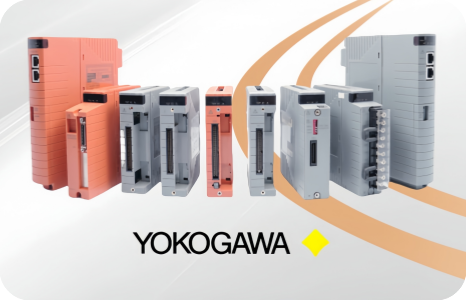
CENTUM lifecycle planning connects multiple generations of Yokogawa distributed control technology. A useful migration record identifies the current system, plant dependencies and operational constraints before selecting an upgrade path.
EDITORIAL REVIEW · 4 SEPTEMBER 2026

Preserve process knowledge.
Modernize the control layer.
Trace the installed CENTUM generation, interfaces and plant constraints before defining a staged migration.
Read CENTUM as a sequence of generations
Yokogawa introduced the first CENTUM system in 1975, followed by CENTUM CS in 1993, CENTUM CS 3000 in 1998 and CENTUM VP R6 in 2014. These milestones help locate an installed system in the family history; they do not prove the exact software, controller or I/O present at a specific plant. Use the Yokogawa parts catalogue alongside site records.
Map the system before discussing migration
| Layer | Evidence to capture | Migration question |
|---|---|---|
| Control | Controller model, revision, cabinets and redundancy. | What can remain, what must change and when? |
| I/O | Node units, modules, marshalling and field interfaces. | Can work be phased without losing validation control? |
| Network | Control buses, gateways and external interfaces. | Which dependencies require coexistence or redesign? |
| Operations | HMI, engineering stations, history and procedures. | How will operators and maintainers transition safely? |
Yokogawa describes current CENTUM VP upgrade paths that can control and monitor plants using earlier V, XL, CS and CS 3000 systems. Treat that as a migration capability to be engineered—not as a universal plug-and-play promise.
Choose a staged route around plant constraints
A staged plan may begin with obsolete workstations or interfaces, then address controllers, networks and I/O in controlled phases. The order depends on failure exposure, support evidence, spare availability, cybersecurity policy, turnaround windows and the ability to validate each transition.
Connect spares to the migration horizon
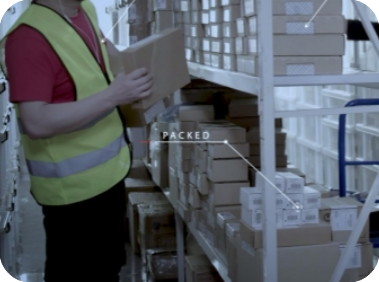
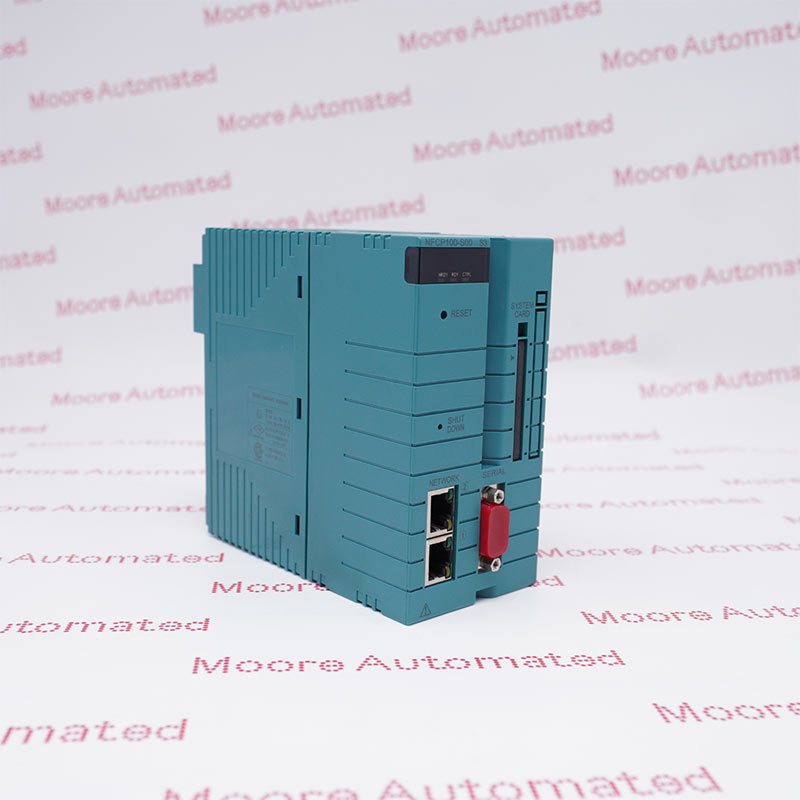
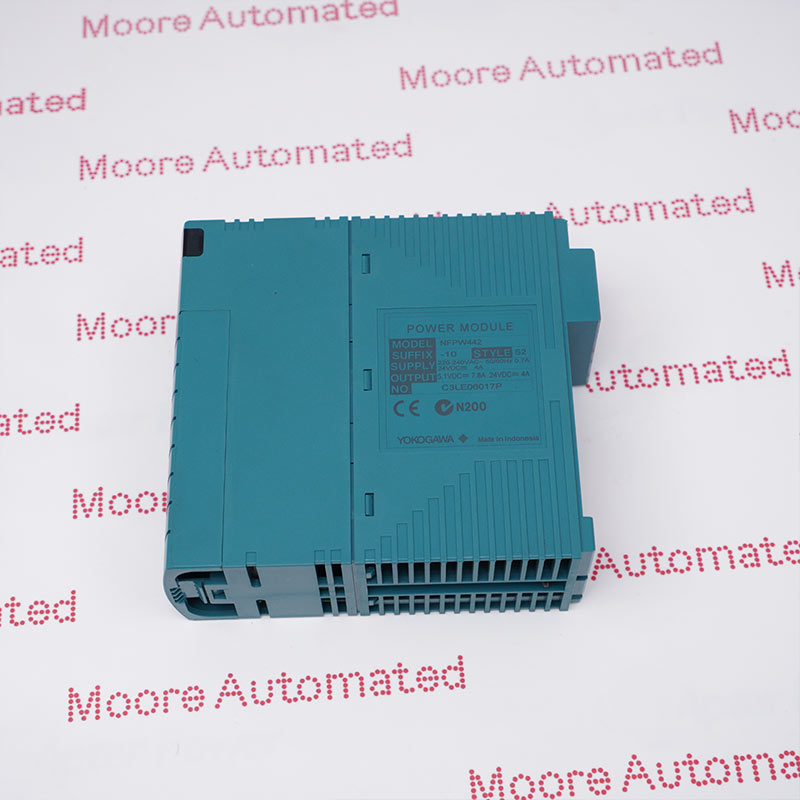
Critical spares may reduce short-term exposure while a migration project is prepared. Record complete part numbers, suffixes, revisions, installed location and the configuration or drawing that assigns each item its role. The CENTUM XL and micro XL catalogue can support family navigation, while the related CENTUM XL lifecycle guide provides further legacy-system context.
Use the EOL planning guide to compare spare and migration paths, then contact Moore Automated with the exact evidence and project horizon.
Watch the original article videoVIEW
The original published video is retained as supplementary company content; it is not a model-specific compatibility or lifecycle approval.
Frequently asked questions
01When was the first CENTUM system introduced?
Yokogawa traces the first CENTUM DCS to 1975.
02When were CENTUM CS and CS 3000 introduced?
Yokogawa history identifies CENTUM CS in 1993 and CENTUM CS 3000 in 1998.
03Does CENTUM VP automatically replace every older CENTUM system?
No. Yokogawa provides migration capabilities, but each installed architecture, interface and operational constraint requires engineering review.
04What should an installed-system survey include?
Capture controllers, I/O, networks, workstations, software releases, third-party interfaces, backups and outage constraints.
05Should a plant buy spares or migrate immediately?
Compare production risk, verified spare options, support evidence, repair routes, project horizon and outage feasibility.
06What should a sourcing enquiry contain?
Include full references and revisions, installed role, quantity, condition, evidence requirements, destination and timing.
Define the installed generation and the time horizon.
Useful sourcing starts with the system map. Useful migration planning adds outage, coexistence and acceptance constraints.
Open the contact page
Editorial scope: independent maintenance, procurement and company guidance reviewed 4 September 2026. Technical context reviewed against Yokogawa CENTUM history and current CENTUM VP upgrade information. Confirm the installed release and current migration documentation.


Leave Your Comment