Overview
Manuals
Working Principle
Primary Applications
Features:
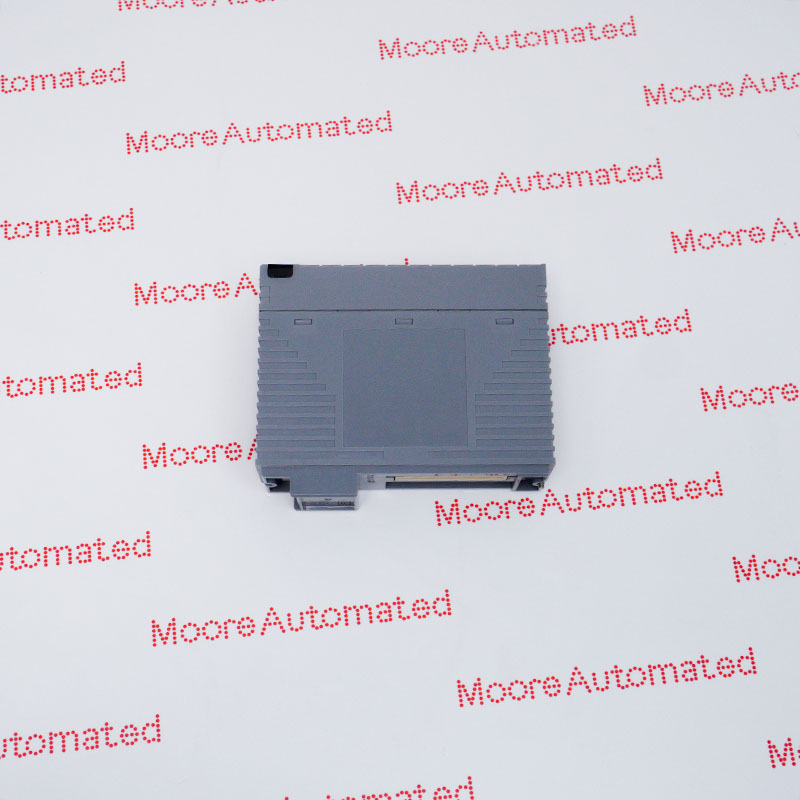
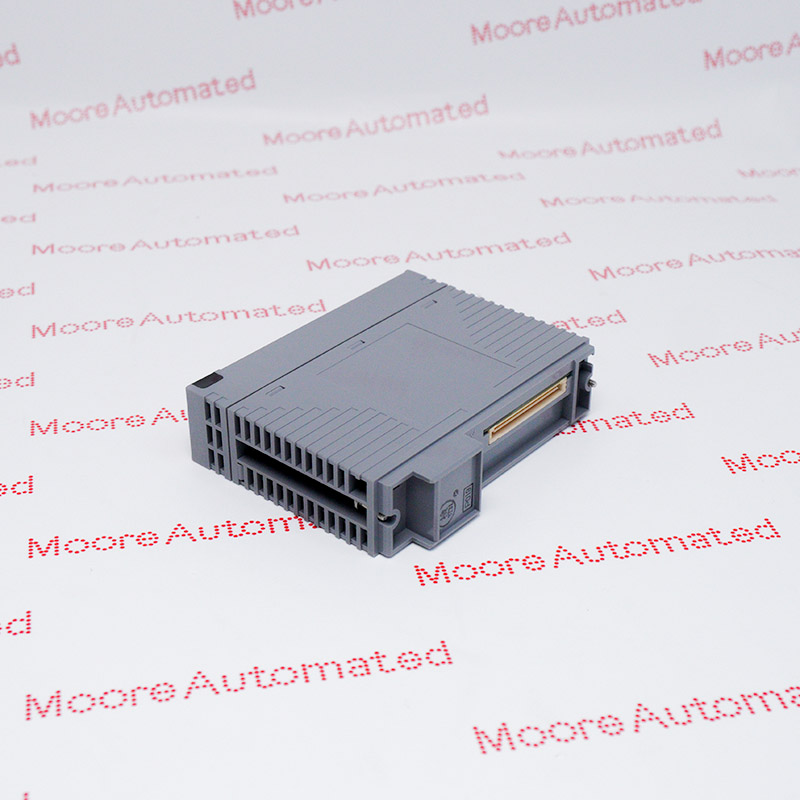
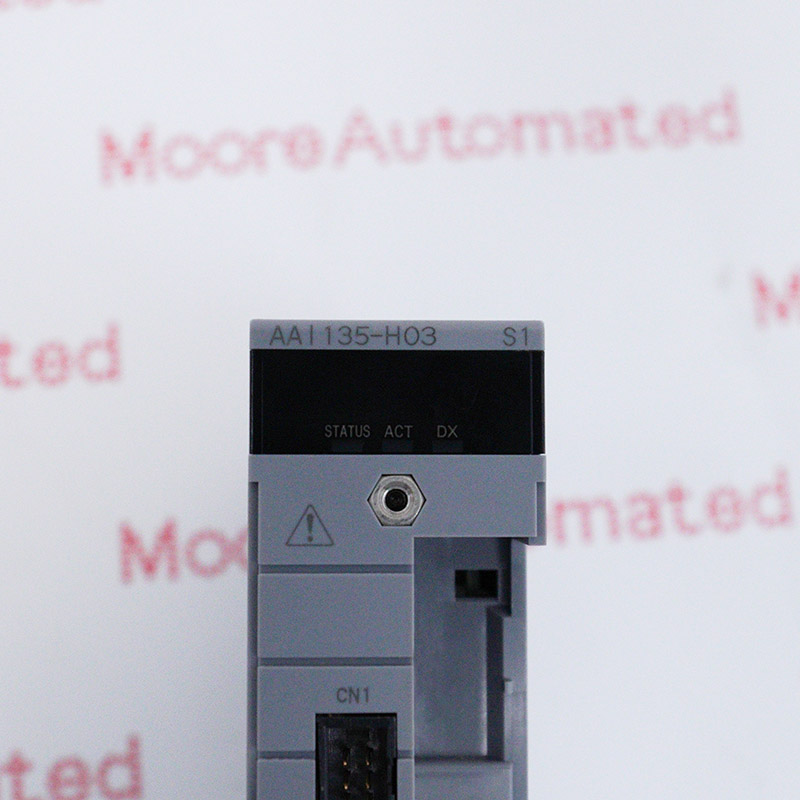
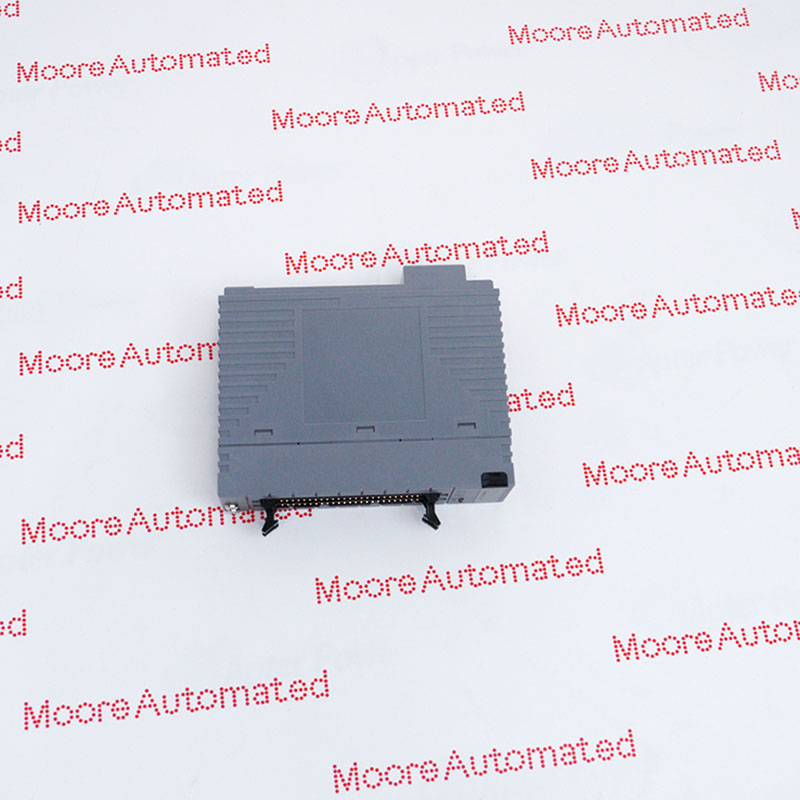
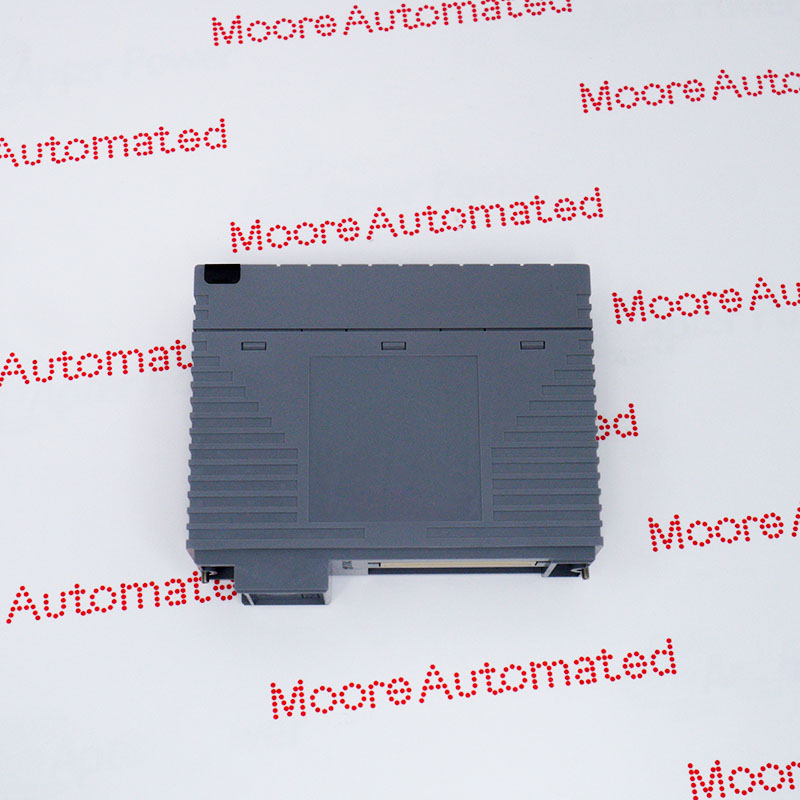
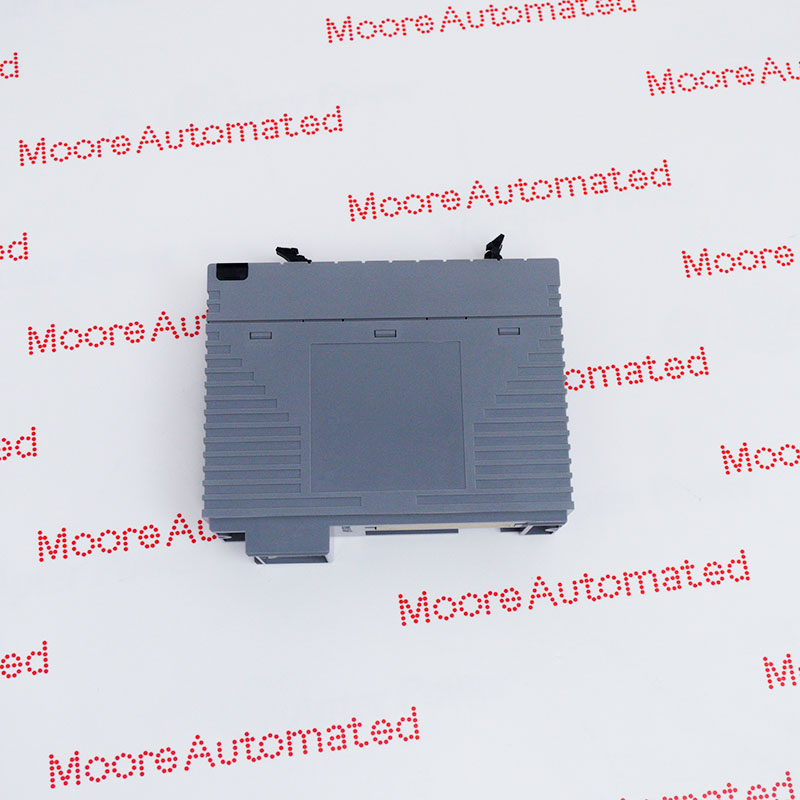
- Analog Input Module
- 4 to 20 mA, 8-channel, Isolated channels
- Current Input Module and Current I/O Module (Isolated Channels)
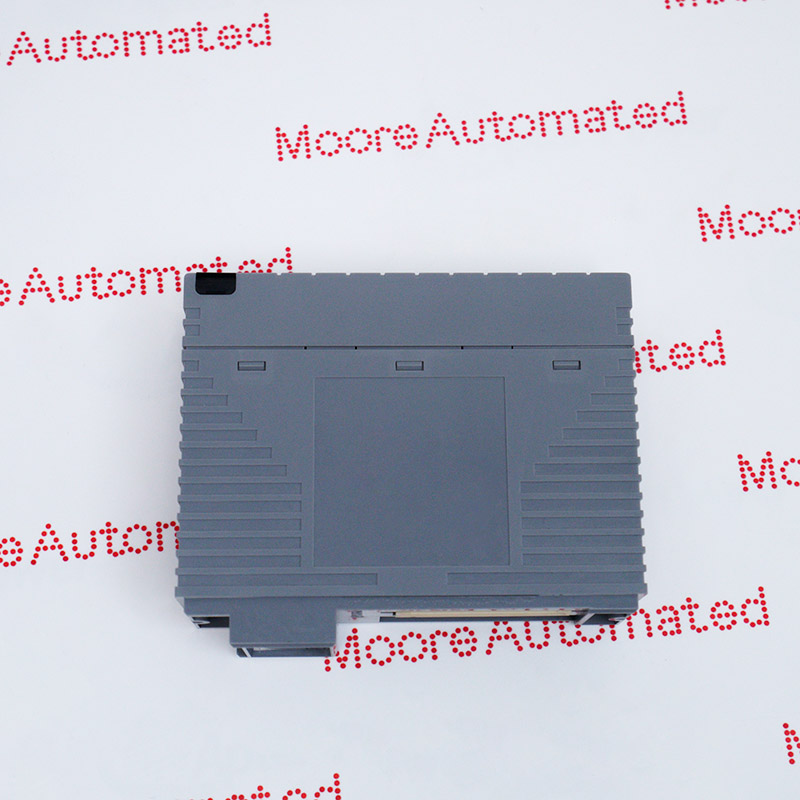
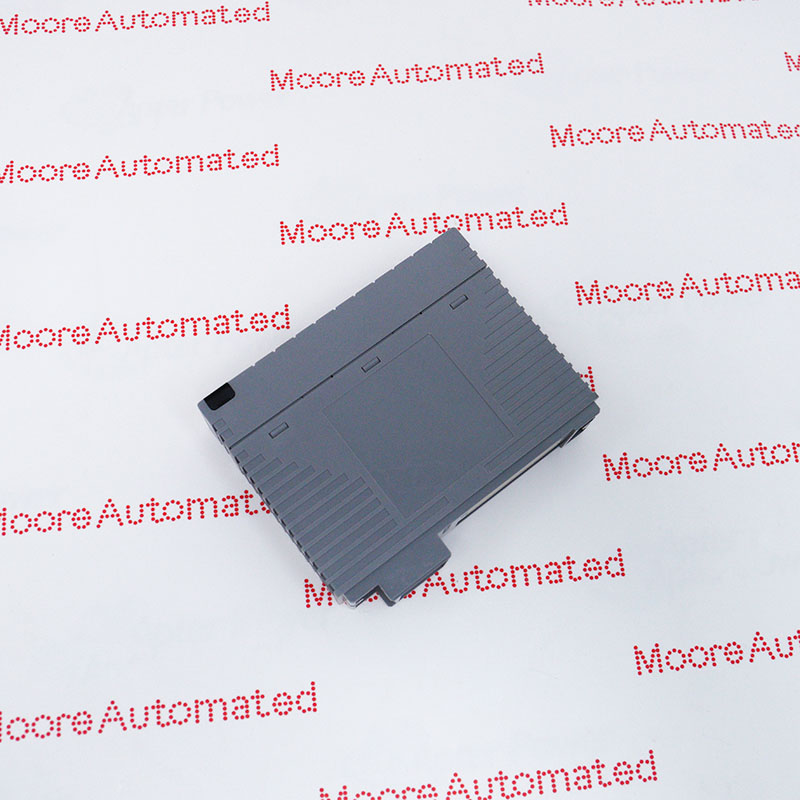
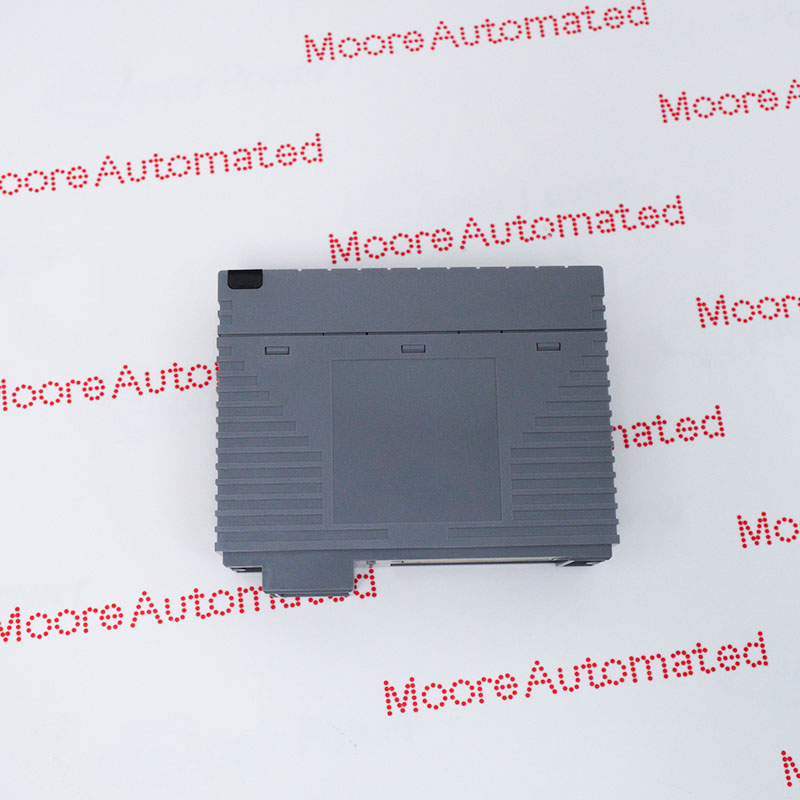
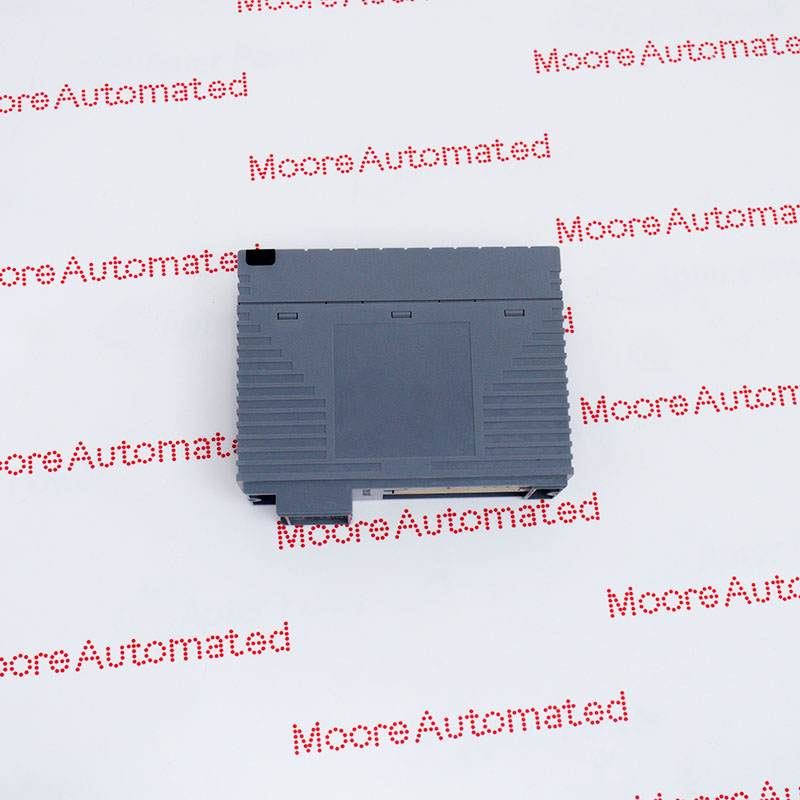
The current input module receives signal of 4 to 20 mA, and the current I/O module sends and receives signals of 4 to 20 mA. These modules are isolated between the field and the system as well as in between each channel. They can be used in dual-redundant configuration.
This module boasts high industrial reliability, supports dual redundancy configurations, and features HART communication capabilities, allowing operators in the control room to directly read asset information from field instruments or perform remote calibrations via system software. Its H03 specification typically indicates that the module has an anti-corrosion coating (G3 standard), enabling long-term stable operation in moderately corrosive gas environments.
The AAI135-H03 S1 YOKOGAWA Analog Input Module may still be available for purchase and support from Moore Automated Company beyond End-Of-Life (EOL) by the manufacturer (OEM).
YOKOGAWA AAI135-H03 S1 Analog Input Module DATASHEET(manual), Link
Important Notice: Other accessories, manuals, cables, calibration data, software, etc. are not included with this equipment unless listed in the above stock item description. All prices are shown in USD.
Each channel first converts the current into a voltage signal via a precision sampling resistor, then digitizes the analog signal using a high-speed A/D converter (analog-to-digital converter). During this process, internal optoelectronic or transformer isolation circuitry ensures electrical safety between the field side and the control system backplane bus. Finally, the digitized process data is transmitted to the field control unit (FCU) via the bus interface for use by control algorithms and the human-machine interface.
- Process Monitoring: Acquires real-time data from field sensors to monitor key variables such as temperature, pressure, flow rate, and level.
- System Interface: Acts as a bridge between two-wire and four-wire transmitters and distributed control systems (DCS), providing necessary power to field instruments.
- High-Reliability Control: Commonly used in power generation, petrochemical refining, and water treatment plants where extremely high signal acquisition accuracy is required to ensure stable plant operation.
- Critical Safety Systems: Due to its isolation and redundancy, it is often used in high-risk industrial environments to prevent electromagnetic interference from affecting the entire control network.