Overview
Manuals
Main Features
Core Application Areas
Features:
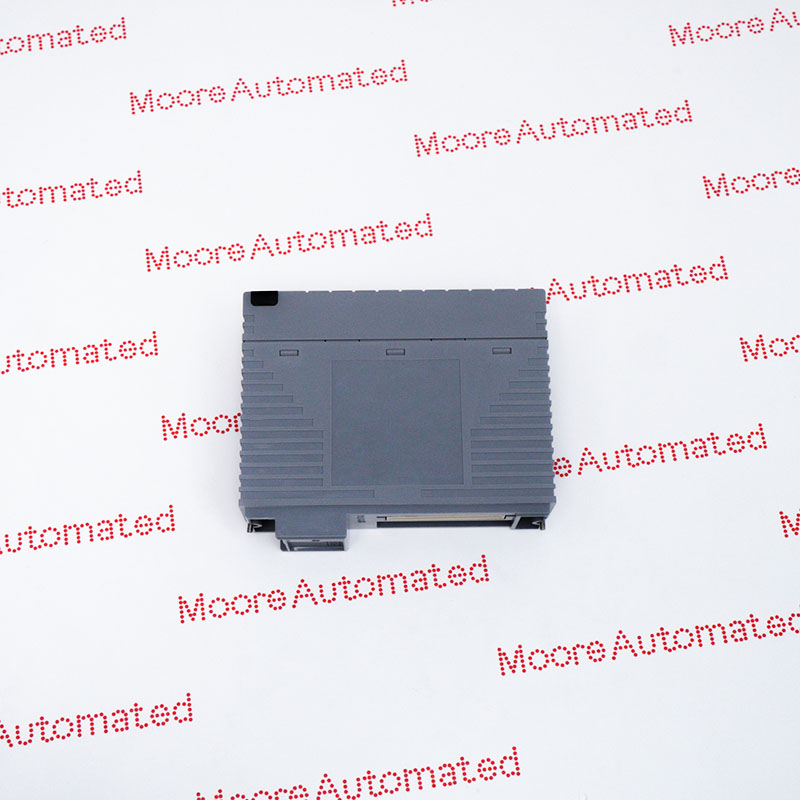
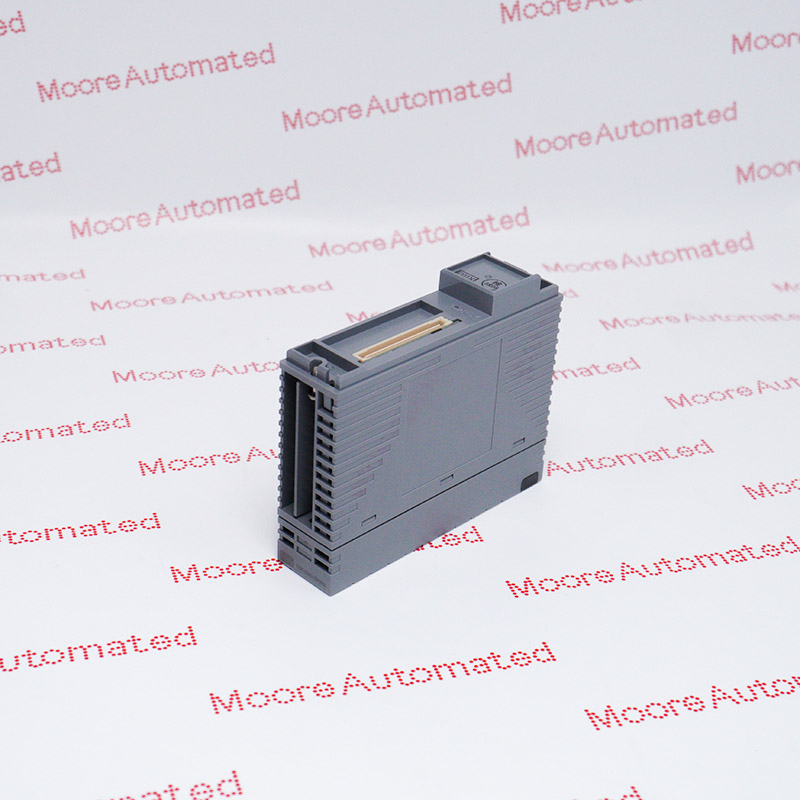
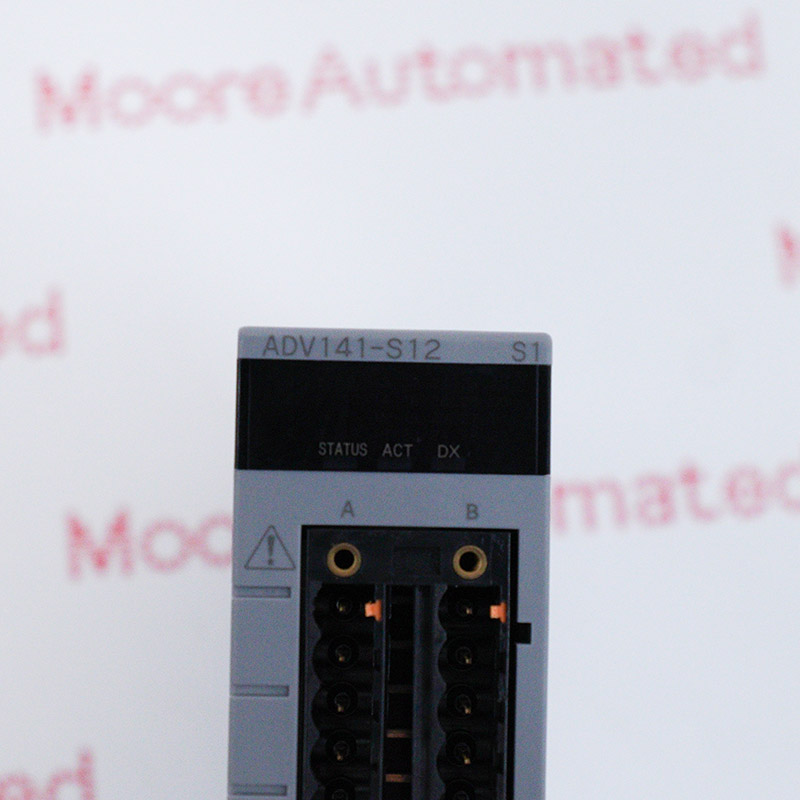
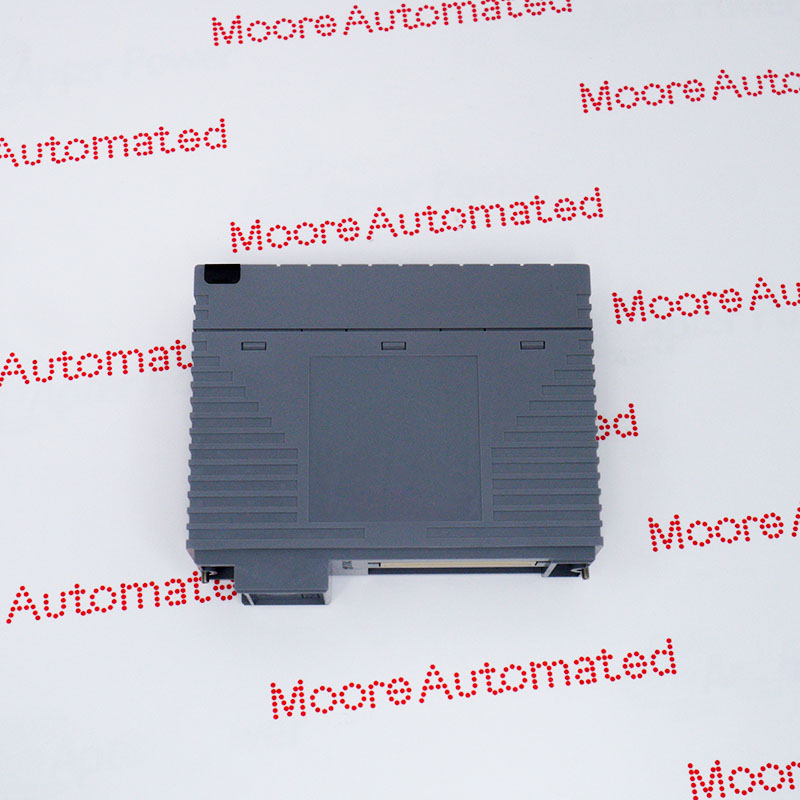
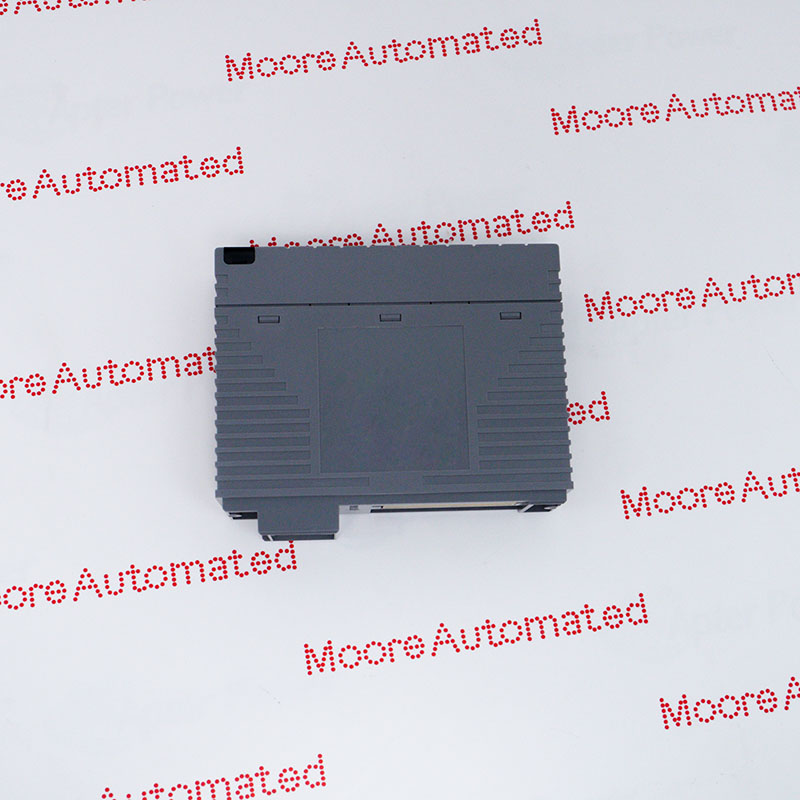
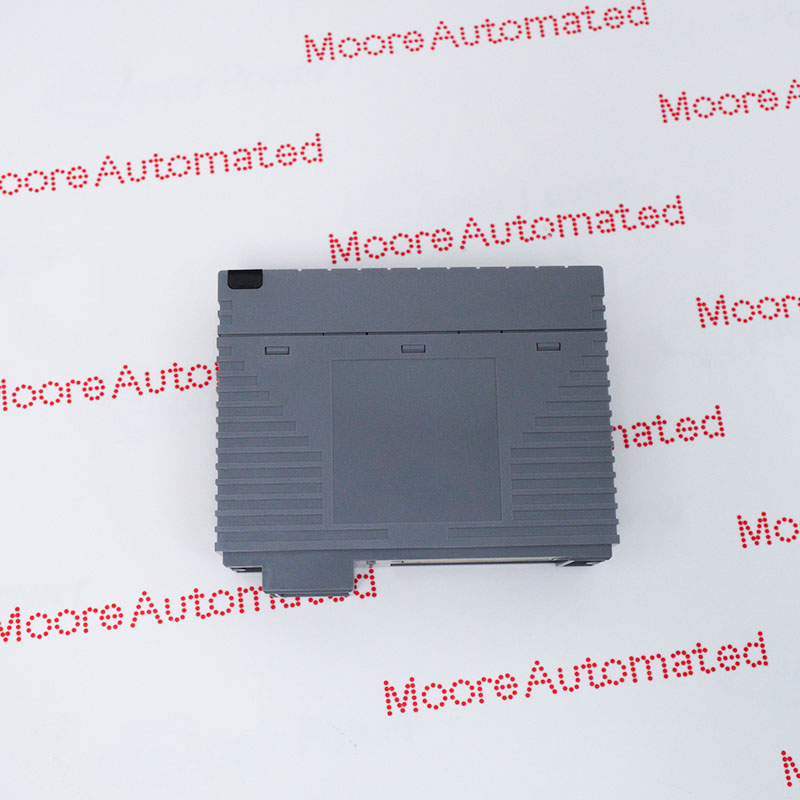
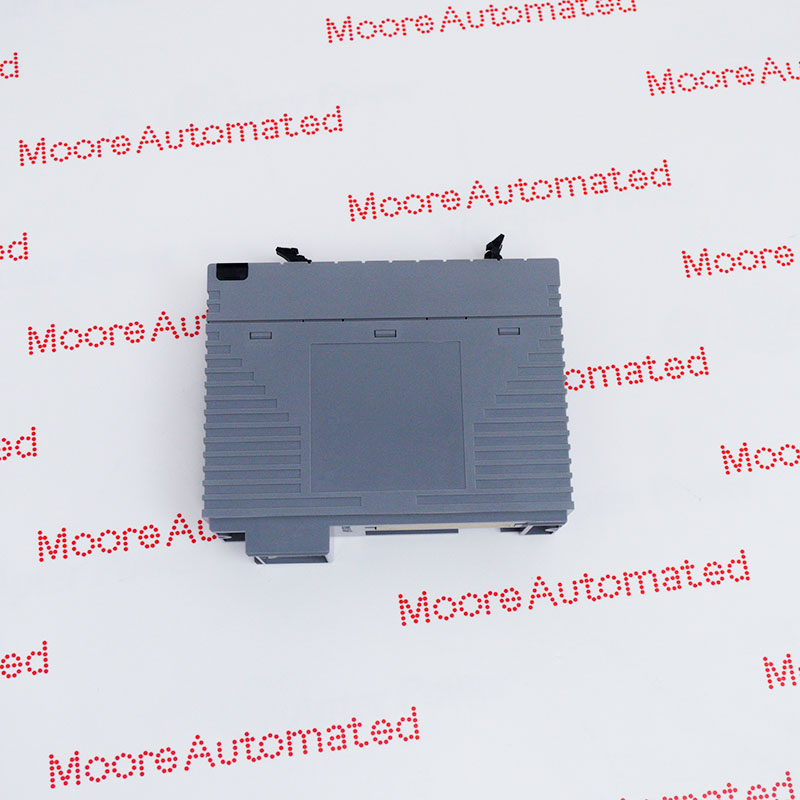
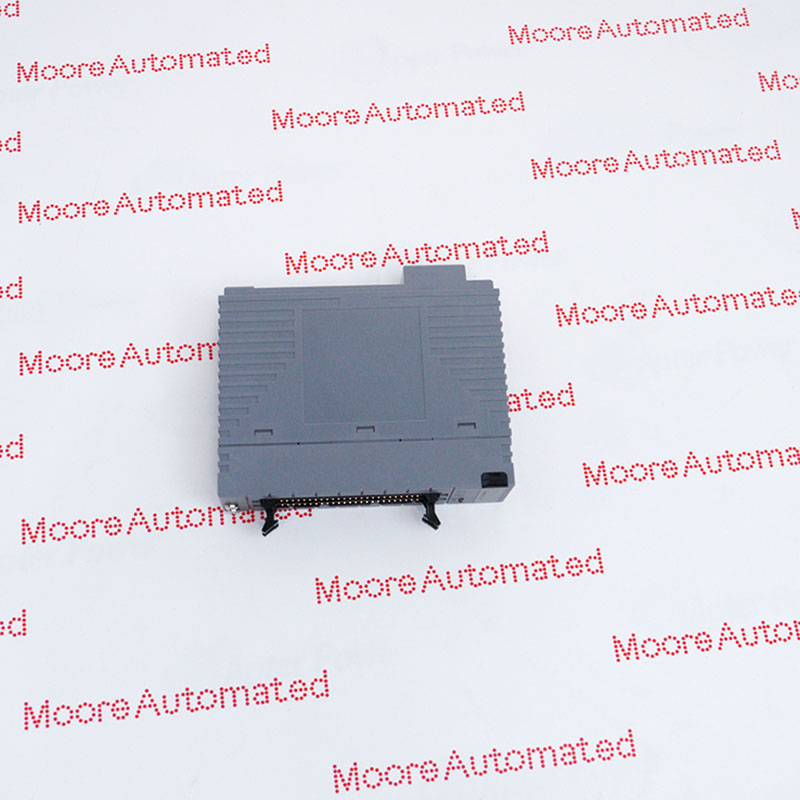
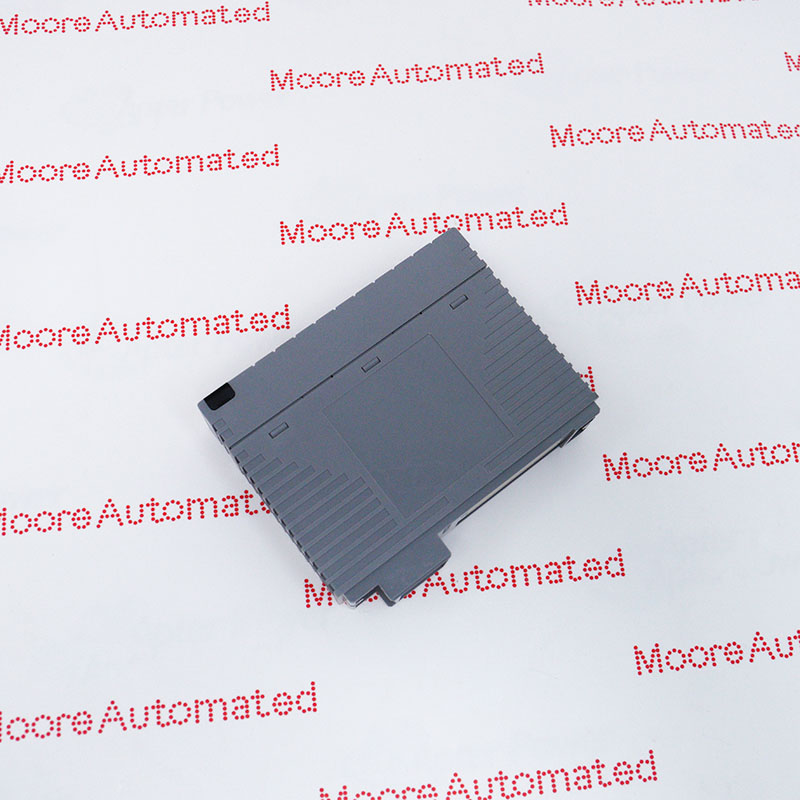
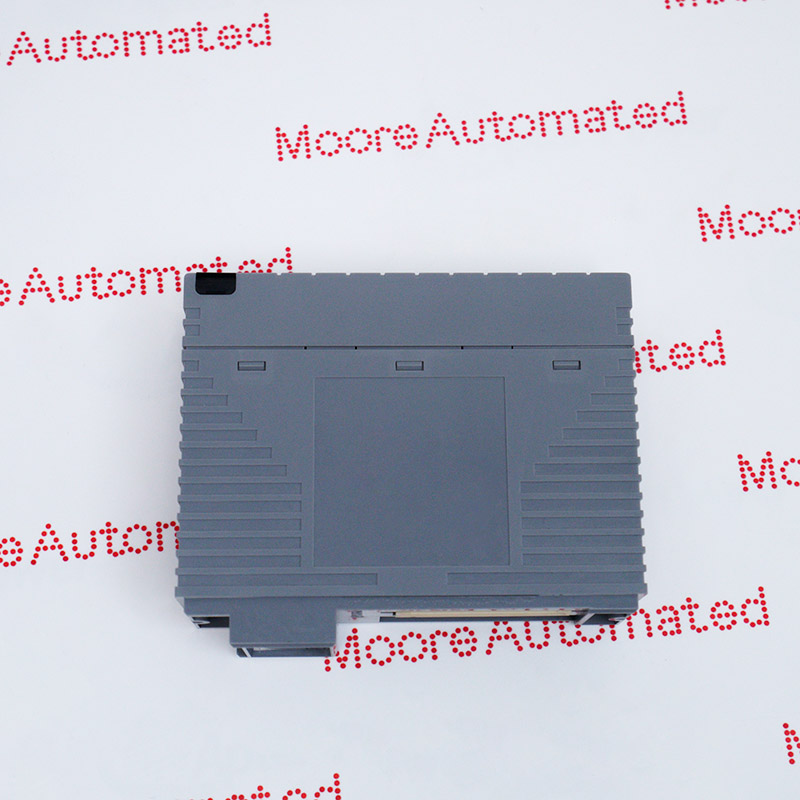
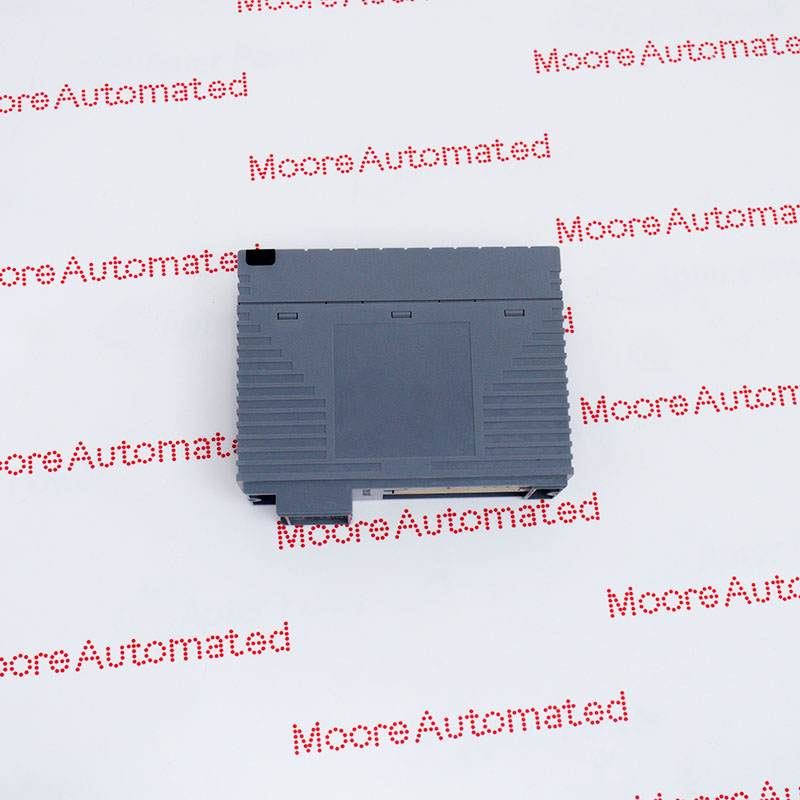
- ADV141 Digital I/O Module Digital Input
- Digital Input Module (16-channel, 100V - 120 V AC, Isolated)
- The AC Digital Input Modules receive 16-channel 100 V AC or 220 V AC ON/OFF signals
Its core function is to receive discrete signals from field devices (such as limit switches, buttons, or relay contacts) and convert them into digital data recognizable by the system. This module typically supports 16 channels, enabling high-density field data acquisition and ensuring accurate capture of various status switch signals during production.
Through isolation technologies such as optocouplers, this module effectively prevents electromagnetic interference or surges from affecting the central control system. The module supports online replacement (hot-swappable) and redundant configuration; even if a single module fails, redundancy ensures uninterrupted system operation, significantly improving the safety and stability of industrial automation systems.
The ADV141-S12 S1 YOKOGAWA AC Digital Input Modules may still be available for purchase and support from Moore Automated Company beyond End-Of-Life (EOL) by the manufacturer (OEM).
YOKOGAWA ADV141-S12 S1 Digital Input Modules DATASHEET(manual), Link
Important Notice: Other accessories, manuals, cables, calibration data, software, etc. are not included with this equipment unless listed in the above stock item description. All prices are shown in USD.
The ADV141-S12 S1 employs a signal acquisition and logic conversion mechanism. When a field contact closes or the voltage reaches a preset logic threshold, the module's internal detection circuit senses the change in current or voltage. After internal filtering and optical isolation, the physical signal is converted into standard digital logic bits (0 or 1), and then transmitted to the field control unit (FCS) via the system backplane bus for logic operations and status monitoring.
This module, with its reliability and high channel density, has been widely used in several heavy industrial sectors:
- Oil & Gas and Petrochemical: Used in refineries and upstream operations to monitor limit switches, proximity switches, and emergency stop buttons.
- Power Generation: Facilitates status monitoring of electrical equipment and power distribution systems, typically employing dual redundancy configurations to prevent system downtime.
- Water Treatment and Chemical Plants: Manages sequential control and discrete logic functions (e.g., tank levels or valve status) to maintain process stability.
- Manufacturing and Factory Automation: Integrated into standard control cabinets, it can connect to a variety of industrial electrical equipment and supports 100V to 120V AC signals.