



Registered Address: 32D Floor Guomao Building, No.388, Hubin South Road, Siming District, Xiamen,Fujian, China
ISO 9001:2015 Certified
Our quality management system covers sourcing,testing and dispatch
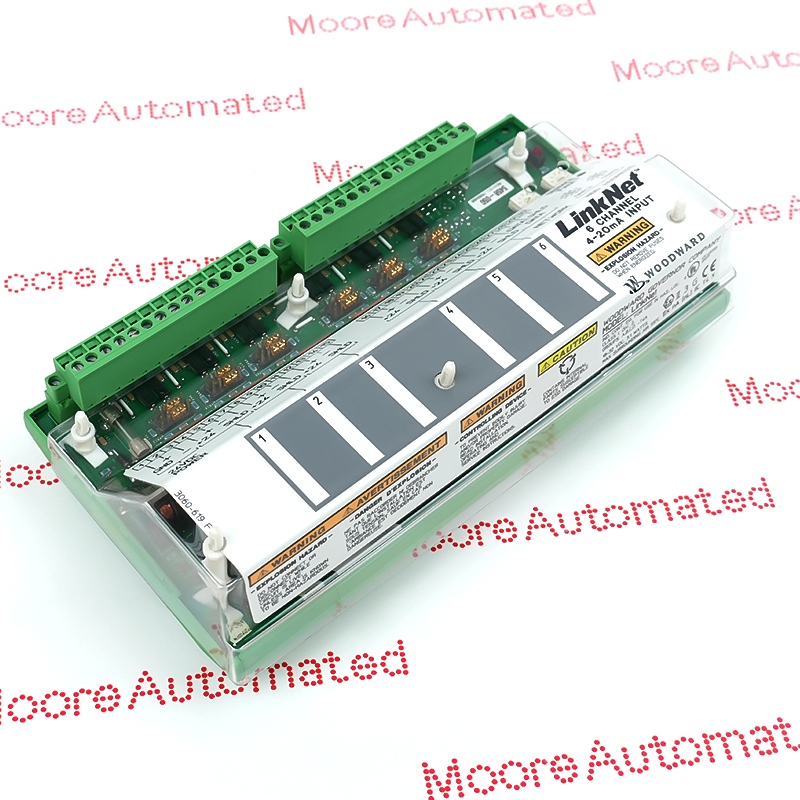
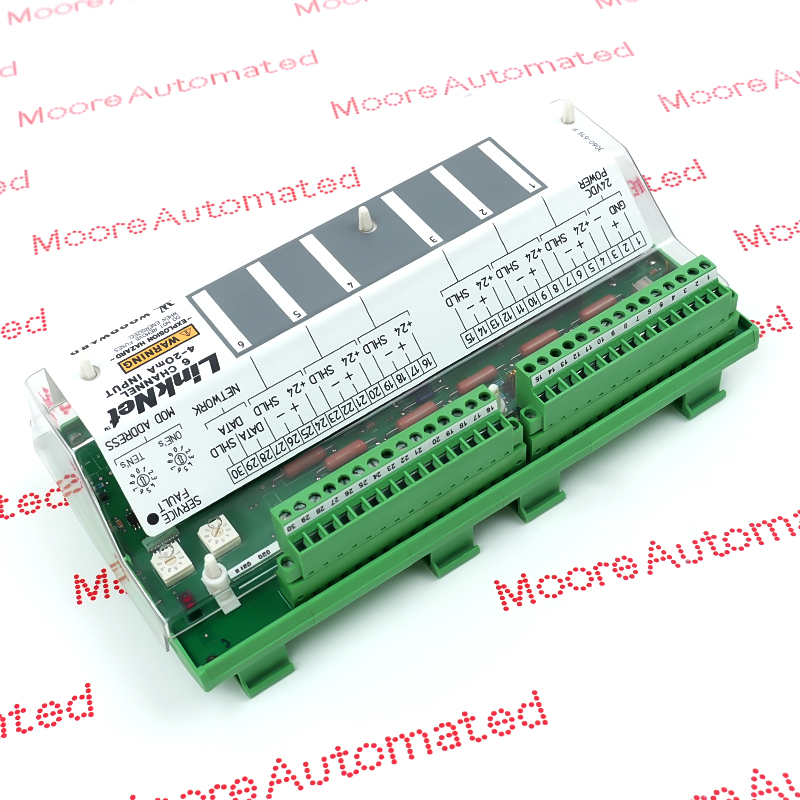
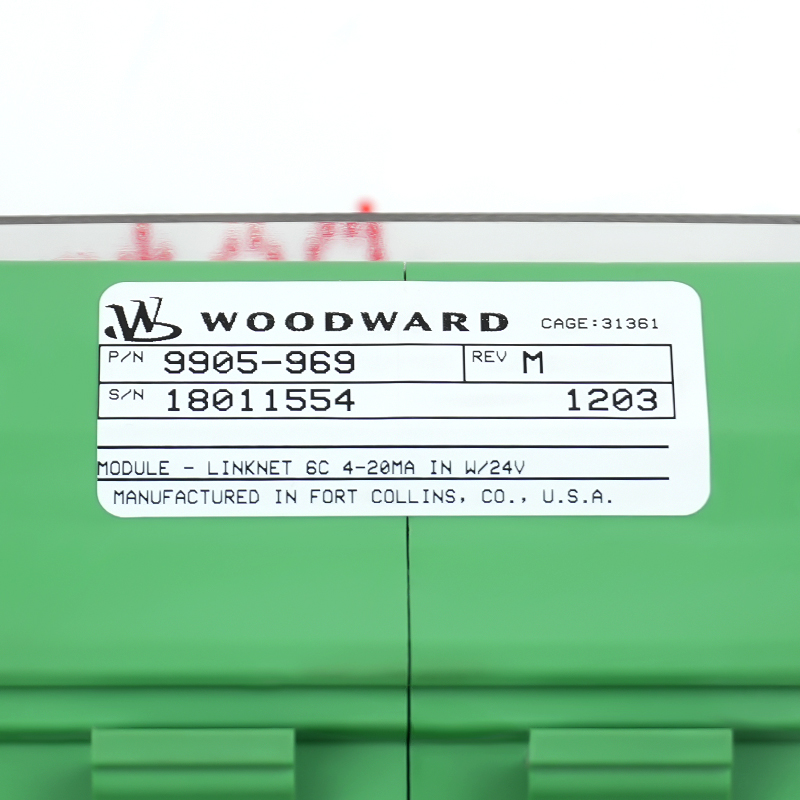
The Woodward 9905-969 is a LinkNet 6-channel analog input module designed and manufactured by Woodward. Designed for industrial automation and process control systems, it is widely used in power generation, oil and gas, marine, and various turbine control industries to ensure system accuracy and high reliability.
The module features six independent analog input channels specifically designed to receive industry-standard 4-20 mA current signals. In practical applications, it is primarily responsible for acquiring and measuring key physical parameters such as temperature, pressure, and flow rate, accurately converting this data from field sensors into system-recognizable digital signals for efficient data monitoring.
In terms of architecture integration, the 9905-969 can be seamlessly embedded into NetCon control systems, fully leveraging the cost-effectiveness and convenience of the LINKnet distributed I/O network. Powered by a standard 24VDC power supply, the module is plug-and-play, easy to configure, and provides a cost-effective distributed fieldbus data acquisition solution for industrial environments.

Registered Address: 32D Floor Guomao Building, No.388, Hubin South Road, Siming District, Xiamen,Fujian, China
MooreAutomated.com is the official website and primary online platform operated by Moore Automation Limited. The website provides information about the company’s industrial automation parts sourcing services, product coverage and customer support. Moore Automation Limited operates as an independent supplier and is not an authorized distributor or representative of the manufacturers displayed on this website unless expressly stated.