Overview
Manuals
Core Functions & Signal Protection
Working Principle
Features:
- Industrial Analog Input/Output Terminal Board
- GE Speedtronic Mark VI and Mark VIe turbine control systems
- 4–20 mA or 0–10 V DC instrument lines
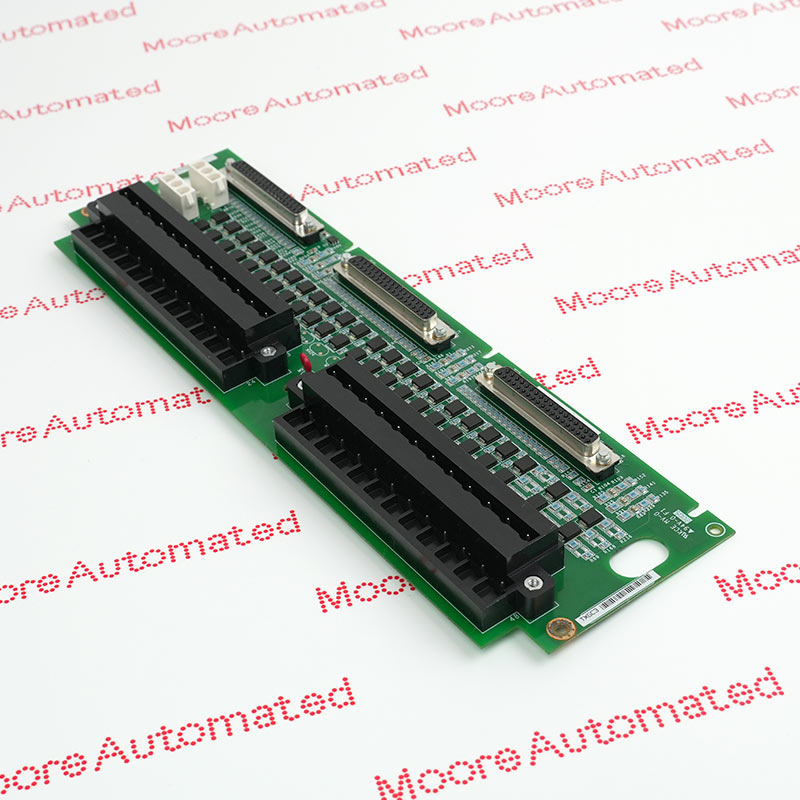
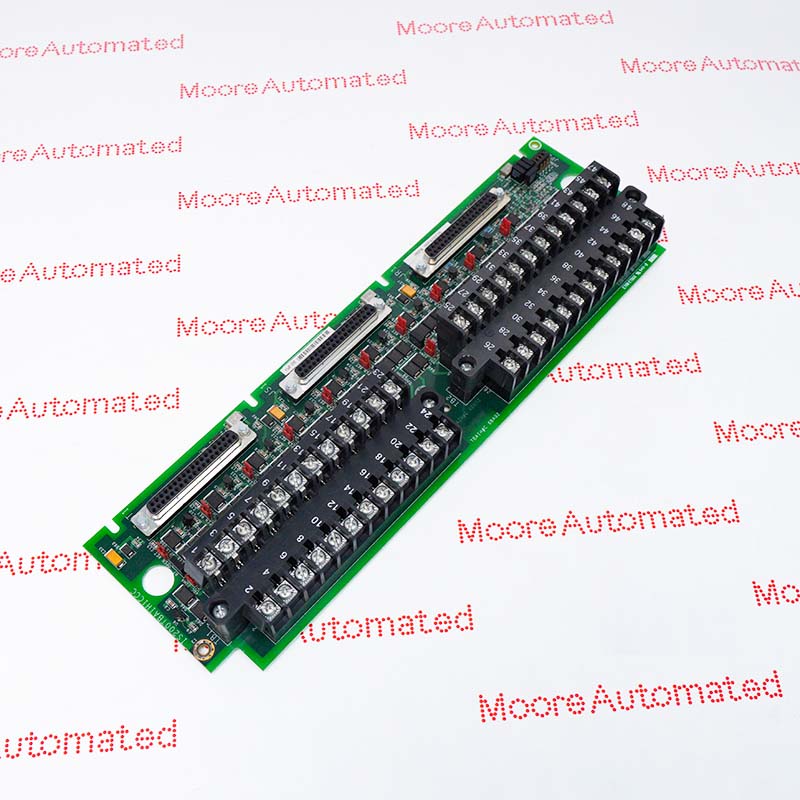
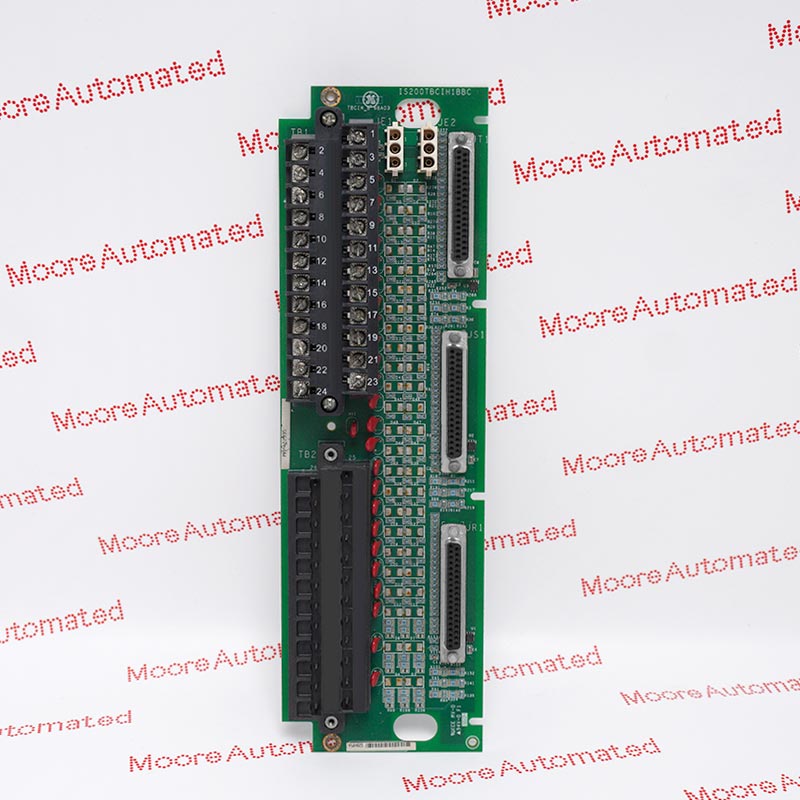
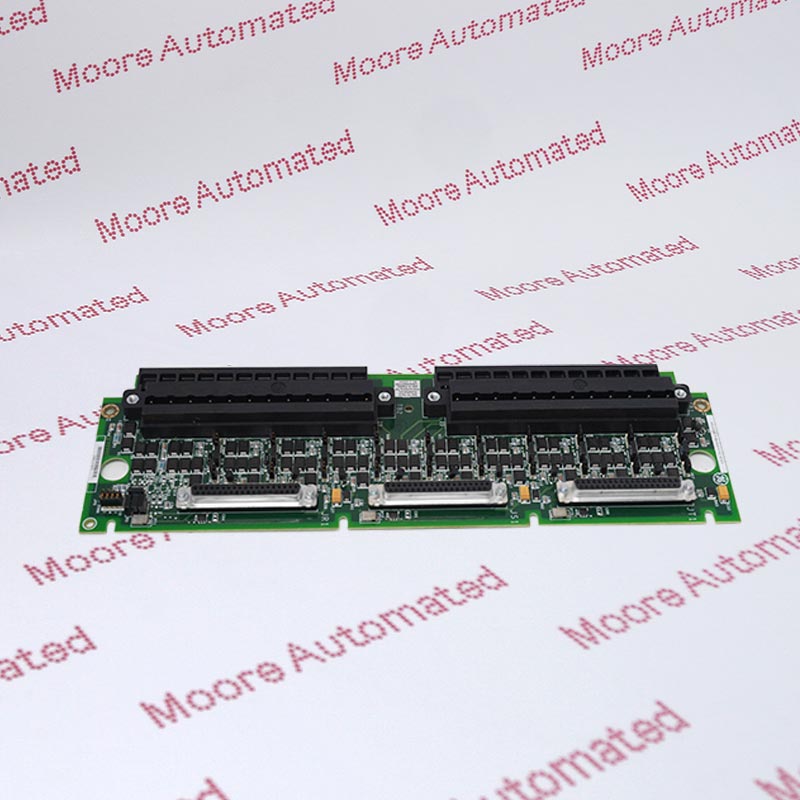
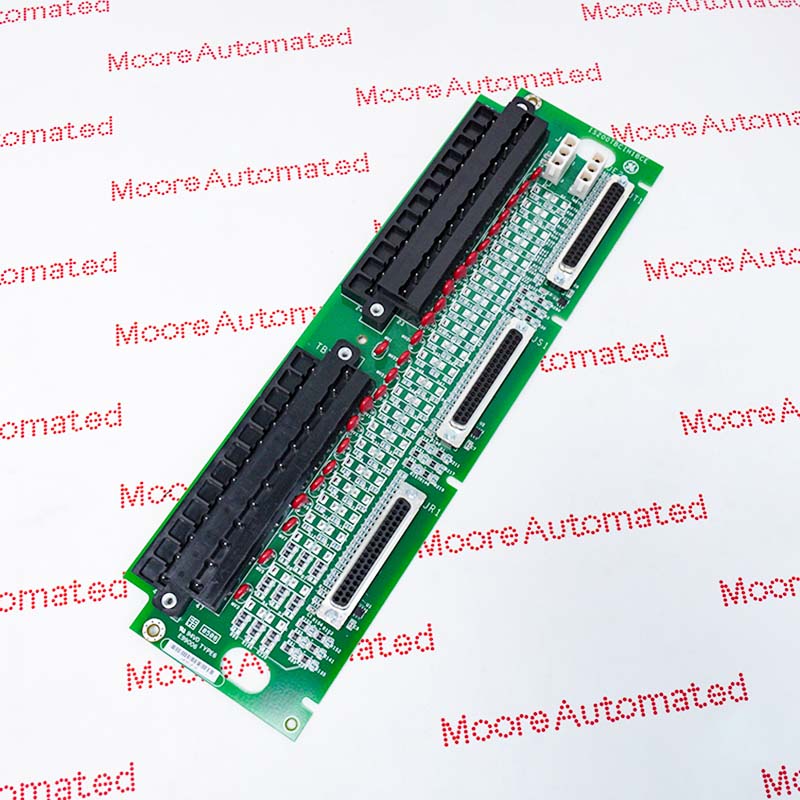
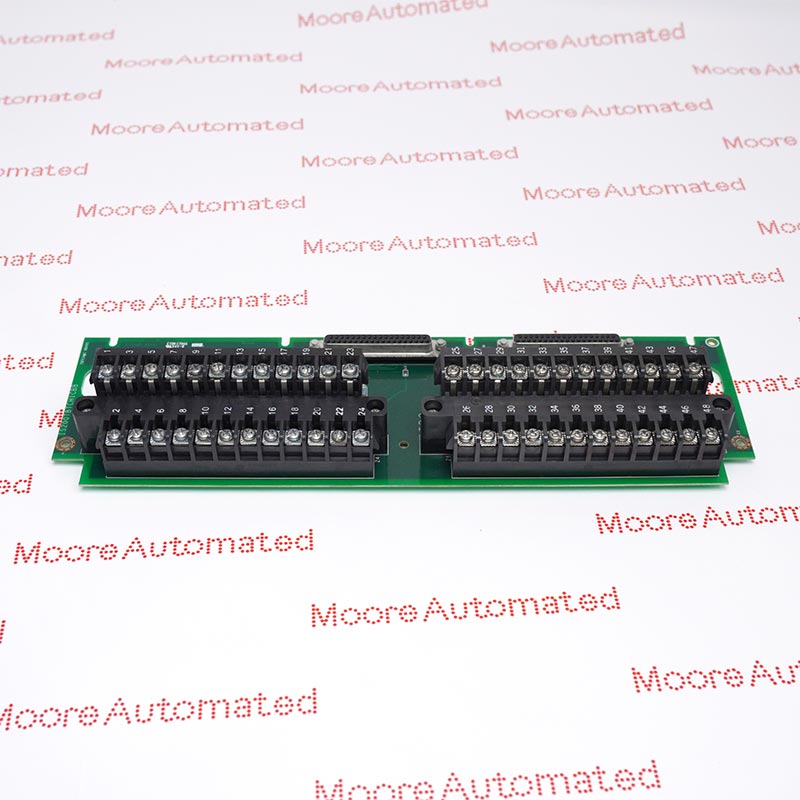
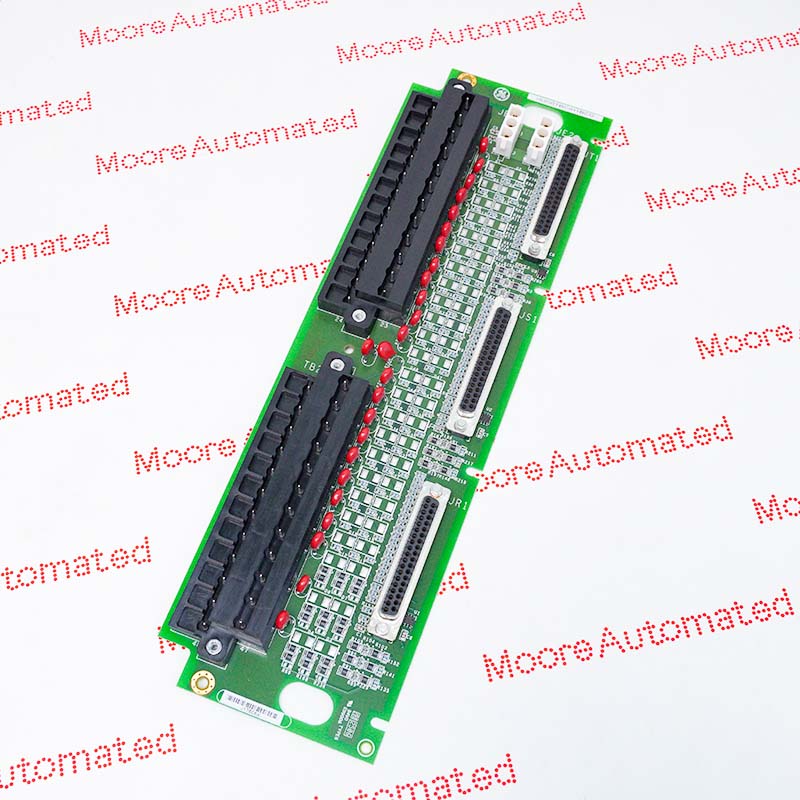
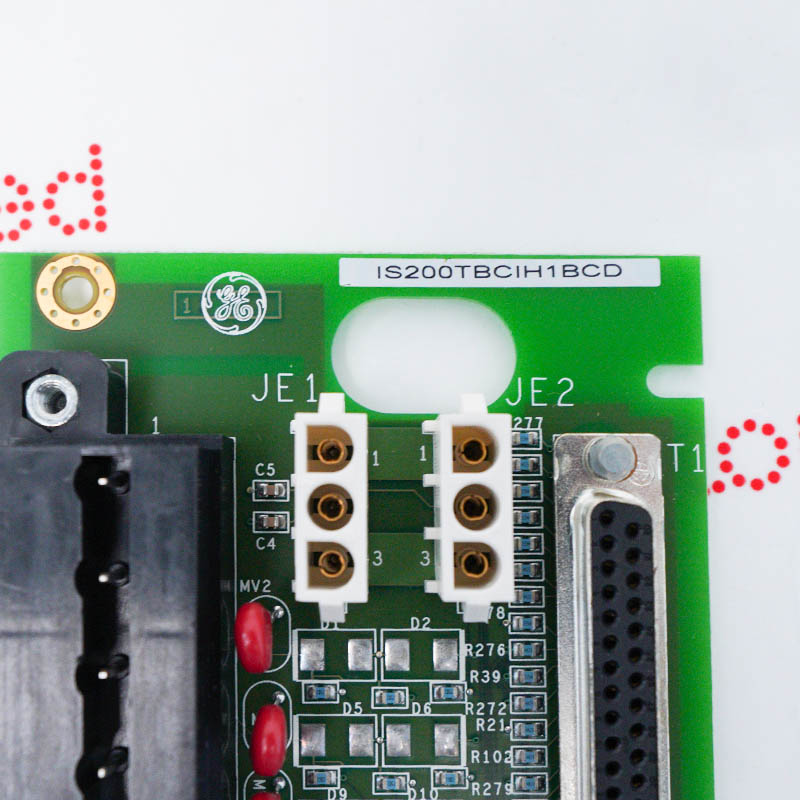
This terminal block serves as the physical connection hub within the control cabinet, primarily responsible for establishing a robust and orderly electrical connection between field devices and the upper-level central controller.
It employs a robust and durable double-row screw-type terminal block design, safely connecting control cables for various temperature sensors (e.g., RTDs/thermocouples), pressure transmitters, level gauges, and solenoid valve actuators located in the harsh environments of power plants, thus providing extremely high structural shock resistance and electrical contact stability.
The IS200TBACIH1B GENERAL ELECTRIC Terminal Board may still be available for purchase and support from Moore Automated Company beyond End-Of-Life (EOL) by the manufacturer (OEM).
GENERAL ELECTRIC IS200TBACIH1B Terminal Board INFO(manual), Link
Important Notice: Other accessories, manuals, cables, calibration data, software, etc. are not included with this equipment unless listed in the above stock item description. All prices are shown in USD.
Field Terminal Cabling: Acts as a single, localized management point for managing the complex shielded grounding and signal terminals of field instruments, ensuring a clean cabinet layout.
Noise Isolation and Suppression: Built-in passive metal film resistors and surge suppression arrays filter out high-frequency electromagnetic interference (EMI) commonly found on turbine platforms.
Loop Power Maintenance: Works directly with compatible I/O modules (such as the PAIC analog input core) to safely distribute burnt-out internal power to two-wire field transmitters.
The IS200TBACIH1B employs a passive electrical branching and physical layer differential filtering isolation mechanism. During system operation, the 4-20 mA or 0-10 V analog signal from the field transmitter is first connected to the wiring slot of this terminal block.
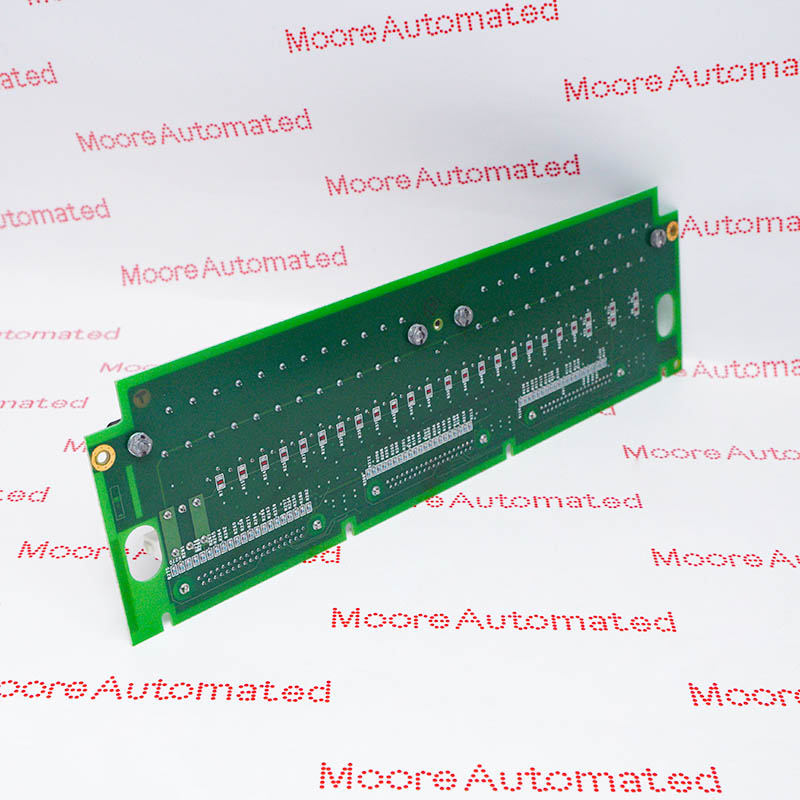
The onboard noise reduction network immediately processes the signal waveform, filtering out high-frequency harmonics to ensure the purity of the raw data. The processed signal is then losslessly distributed to the connected I/O modules via a rear-end DC-37 high-density connector for analog-to-digital conversion (A/D conversion) and “2/3” redundancy arbitration.