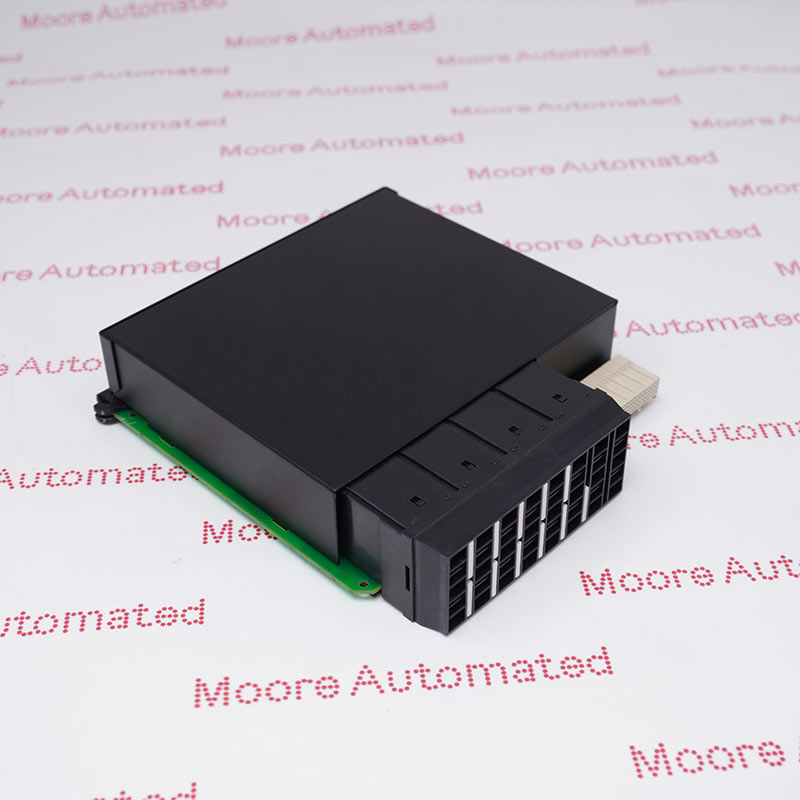
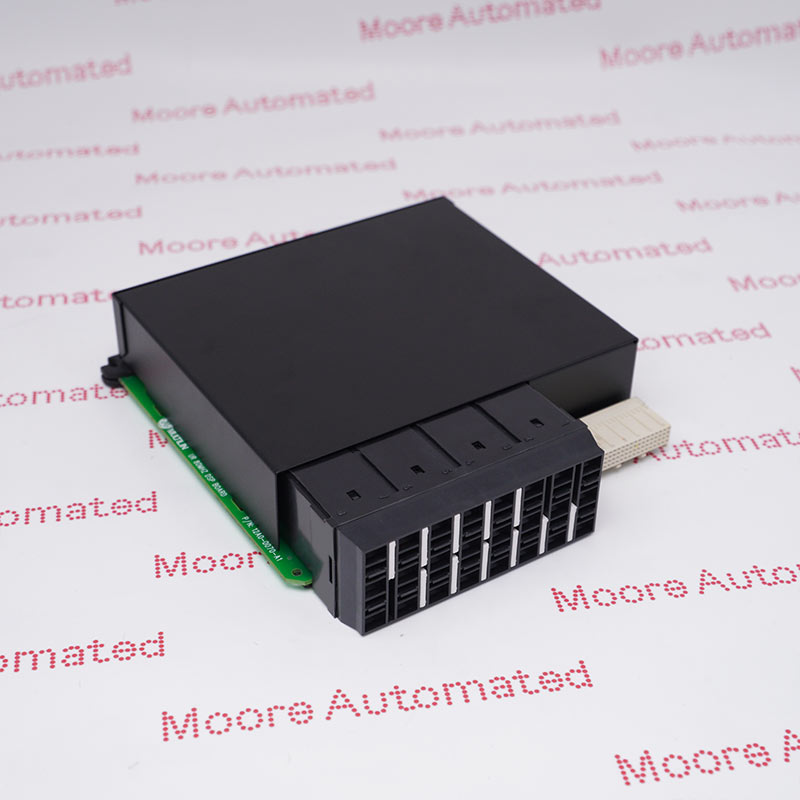
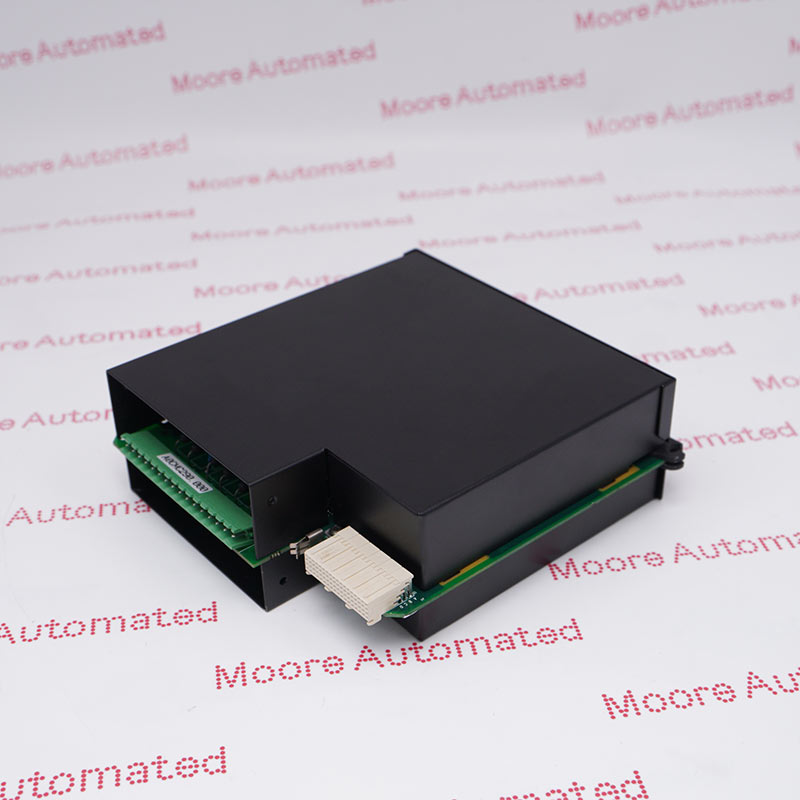
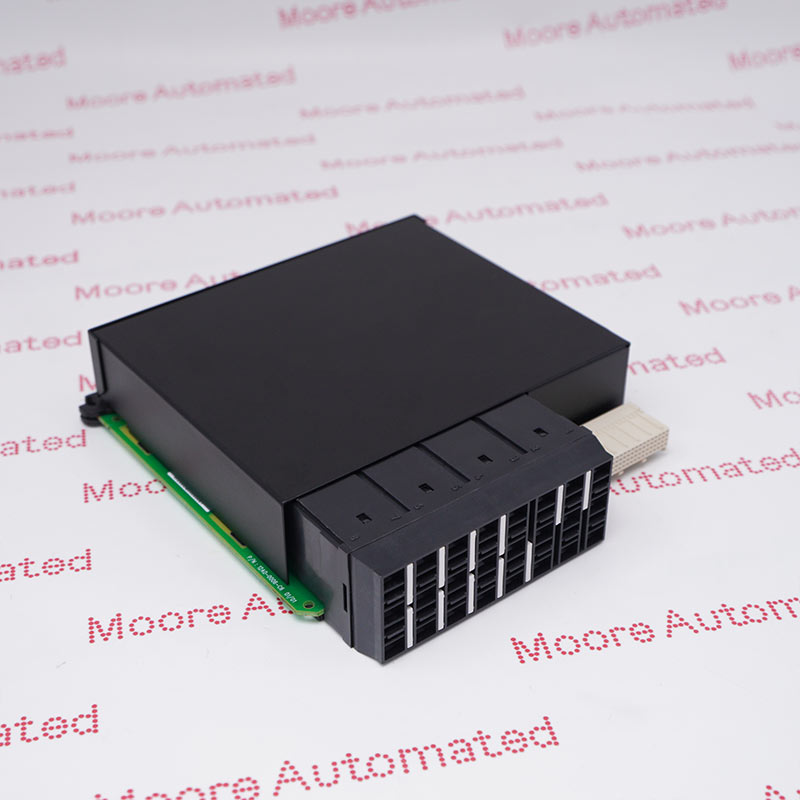
Overview
Manuals
Principle
Primary Industrial Applications
Features:
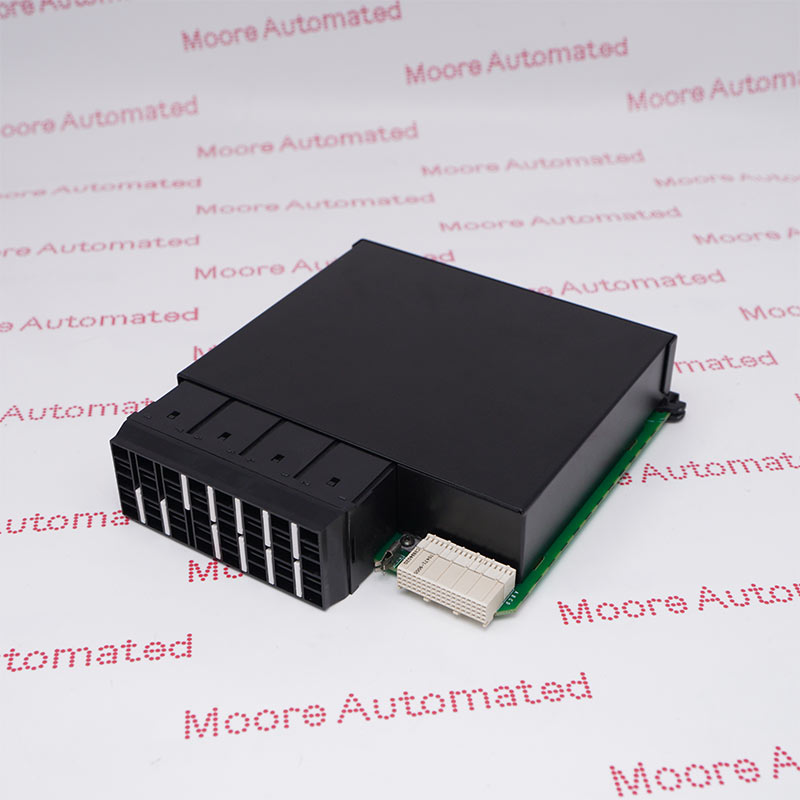
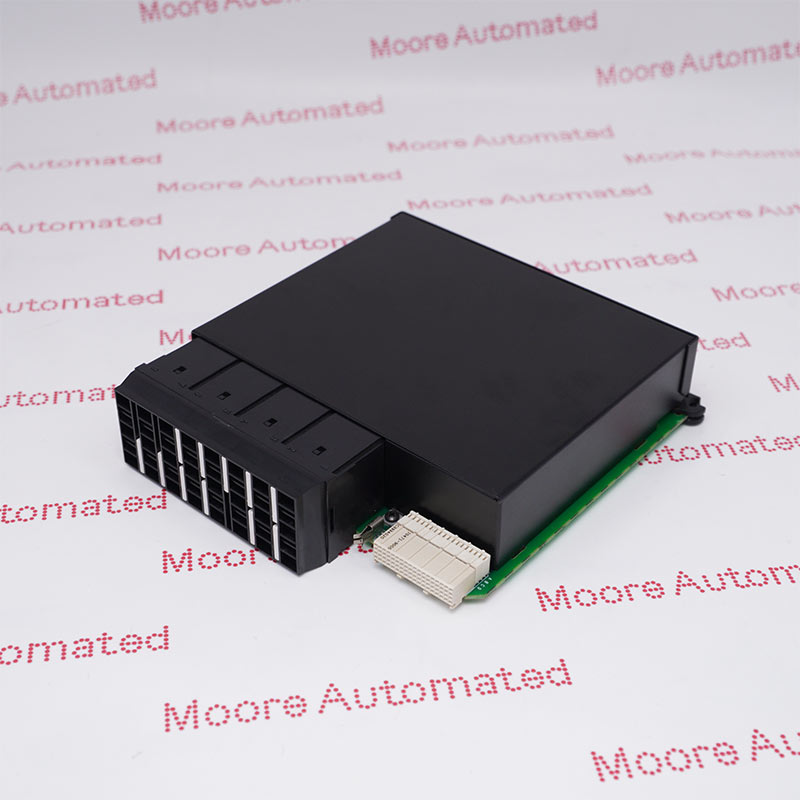
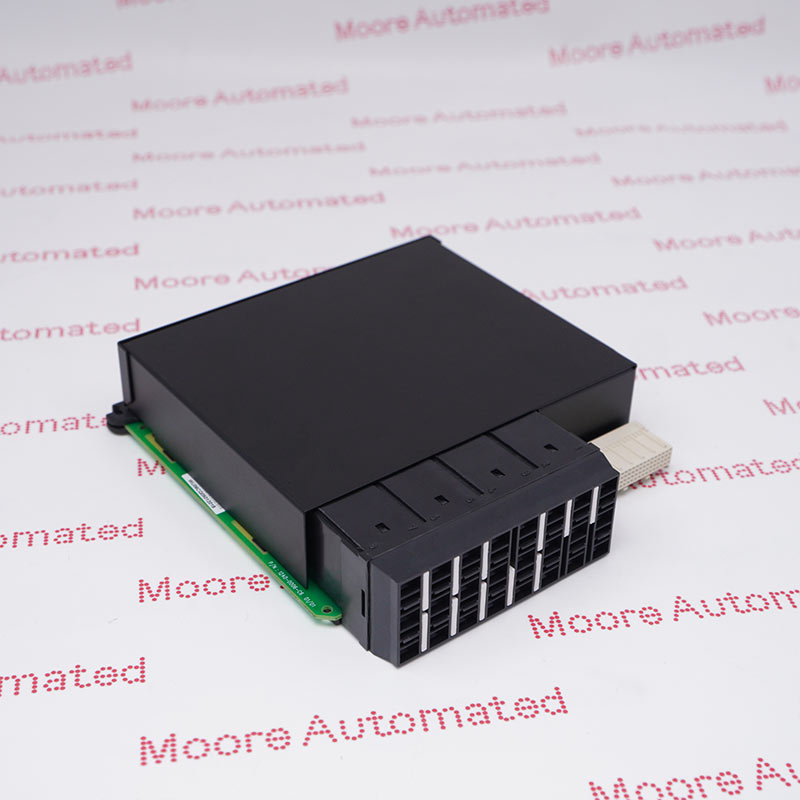
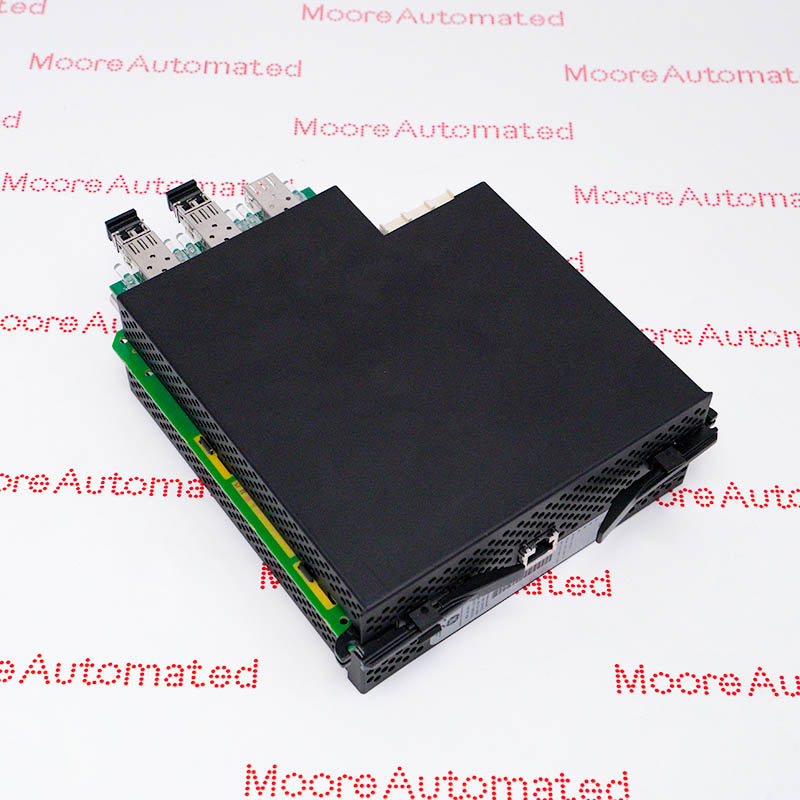
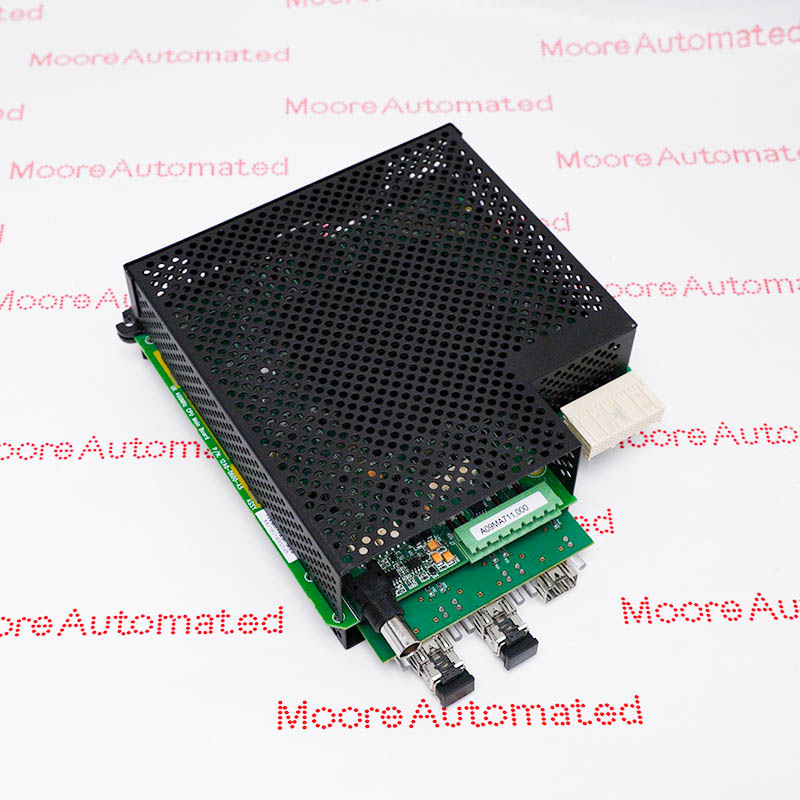
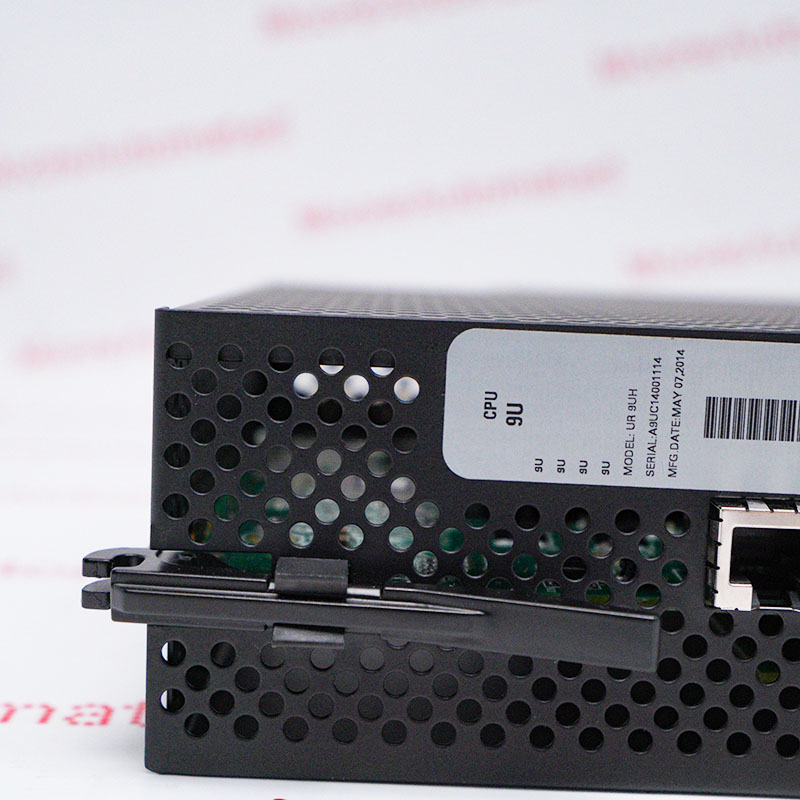
- UR Universal Relay Series Digital I/O Module
- Designed for installation in the Universal Relays series
- UR devices support power modules for both high voltage (HI) and low voltage (LO) ranges
Universal Relays (UR) is a leading line of protection and control products built on a common modular platform. All UR products offer high-performance protection, scalable I/O options, integrated monitoring and metering, high-speed communication, and robust programming and configuration capabilities. UR lays the foundation for simplified power management and critical asset protection, and can be used as standalone devices or integrated into overall power automation systems.
UR is managed and programmed via EnerVista Launchpad. Each relay comes with this powerful software package, which not only programs the relay's setpoints but also provides setpoint file management, automatic access to the latest firmware/documentation, and an overview of the substation automation system.
The UR4DH GENERAL ELECTRIC Digital I/O Module may still be available for purchase and support from Moore Automated Company beyond End-Of-Life (EOL) by the manufacturer (OEM).
GENERAL ELECTRIC UR4DH Digital I/O Module info(manual), Link
Important Notice: Other accessories, manuals, cables, calibration data, software, etc. are not included with this equipment unless listed in the above stock item description. All prices are shown in USD.
The UR is available in various configurations and can be equipped with either a 19-inch rack-mount horizontal unit or a smaller (¾) vertical unit. The UR consists of the following modules: power supply, CPU, CT/VT inputs, digital inputs/outputs, sensor inputs/outputs, inter-relay communication, communication switches, and IEC process bus.
Production Process Control: Real-time transmission of switch signals and relay outputs ensures precise control of production lines.
Energy Management System (EMS): By acquiring digital input signals, it coordinates automatic start-stop sequences and monitors the status of large energy-consuming equipment (including electricity, gas, and water).
Smart Manufacturing and Data Acquisition: In Industry 4.0 environments, it facilitates status monitoring, fault detection, and real-time process feedback for production equipment.
Substation and Utility Automation: Bridging protective relays and substation equipment (e.g., circuit breakers) enables fast and secure digital communication without extensive hardwiring.
Infrastructure Management: Controlling automated equipment such as valves and signal lights ensures the stable operation of utilities and traffic management.