

Registered Address: 32D Floor Guomao Building, No.388, Hubin South Road, Siming District, Xiamen,Fujian, China
ISO 9001:2015 Certified
Our quality management system covers sourcing,testing and dispatch


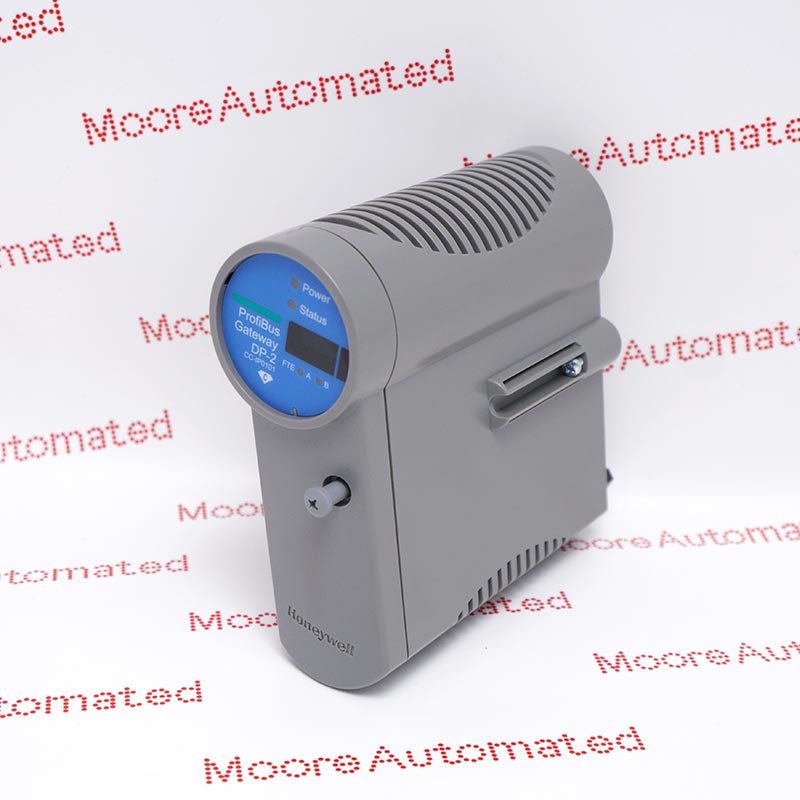
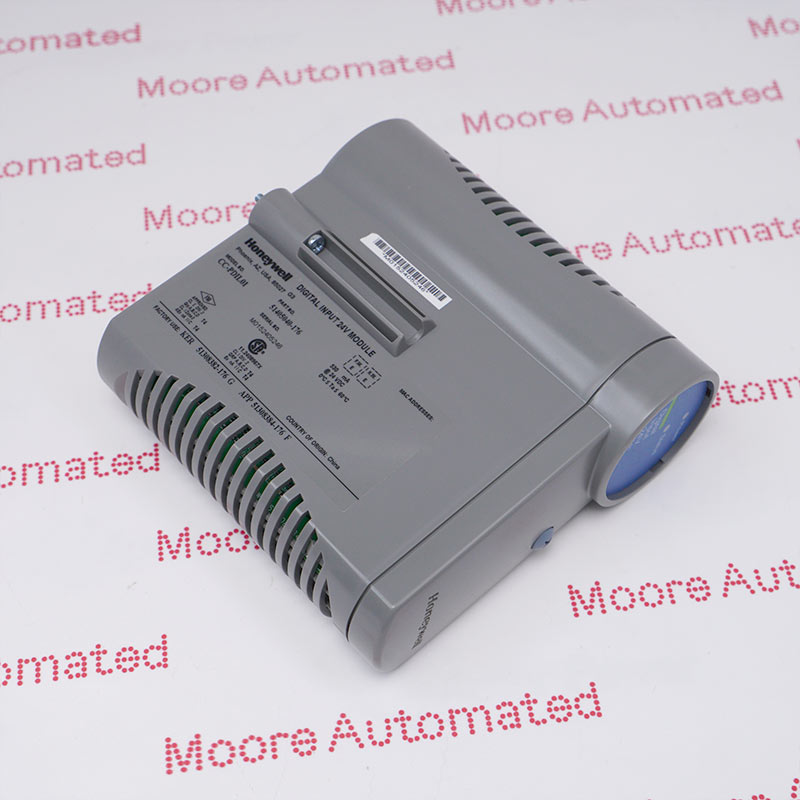
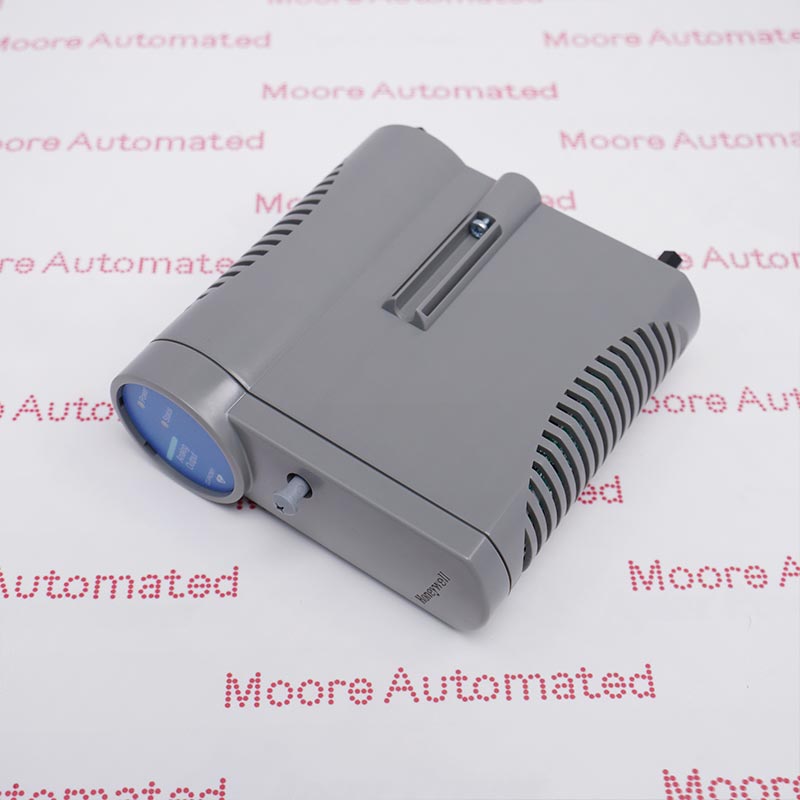
Honeywell identifies CC-PSV201 as a Series C Servo Valve Positioner Module for two-valve turbomachinery applications, with redundant 18-inch CC-TSV211 IOTA. The specification documents configurable servo-current outputs and LVDT or analog feedback, with some signal modes mutually exclusive. Confirm the additional 51454123-175 marking, valve and feedback circuits, firmware and installed configuration before replacement.
Honeywell's October 2019 Series C Turbomachinery I/O Specification lists CC-PSV201 as the Servo Valve Positioner Module and CC-TSV211 as its redundant 18-inch IOTA. The detailed SVPM table shows two servo output channels, bipolar current choices from 10 through 320 mA, unipolar 50 or 300 mA choices, configurable dither and a 16-bit output DAC. It also describes two LVDT feedback channels and excitation up to 8 V RMS at 2.5–3.2 kHz. Electrical suitability depends on the selected coil and feedback hardware; the table directs maximum coil resistance selection to a separate Honeywell detailed functional specification.
The Honeywell table includes alternative analog input and analog output functions, but states AI and LVDT signals are mutually exclusive and AO and servo signals are mutually exclusive. Therefore a product page should not imply all interface types can run simultaneously. The OEM PDF does not link the site's extra 51454123-175 number to the module; confirm the physical label and official parts record. Before an authorized replacement, record servo-current range, dither, valve-coil resistance, feedback type, terminal mapping, redundant partner, application backup and baseline diagnostics. Follow site turbomachinery and safety procedures. Afterward verify position response, feedback, switchover if applicable and all protective/control interactions through an approved test plan.
Honeywell's model table names CC-PSV201 as a Servo Valve Positioner Module for two valves, paired with the redundant CC-TSV211 IOTA. It is active turbomachinery I/O electronics, not a general cabinet accessory. The manufacturer's reviewed specification does not map the additional 51454123-175 number shown on this website. Confirm the actual module label and official parts record before selecting an exact spare or planning a field replacement.
The OEM table lists two servo outputs and selectable bipolar current ranges of 10, 20, 40, 80, 160 or 320 mA, plus unipolar 50 or 300 mA modes. It gives dither and output-resolution details, but allowable coil load is conditional and referred to another Honeywell document. Match the installed valve-coil resistance, output mode, current range, supply, wiring and application settings rather than advertising one fixed output configuration for all deployments.
Honeywell documents LVDT feedback and alternative analog signal functions in the SVPM table. The table expressly says AI and LVDT signals are mutually exclusive, as are AO and servo signals. Verify which mode each installed channel uses and preserve feedback wiring and calibration. A redundant IOTA alone does not prove a complete redundant control system; inspect partner module, switching arrangement and current release before an authorized change and full functional acceptance test.
Verify CC-PSV201 and extra 51454123-175 on the physical module and manufacturer parts record. Match CC-TSV211 redundant IOTA, installed firmware, servo valve coils, chosen bipolar or unipolar current range, dither and LVDT or analog feedback. The 2019 Honeywell table lists selectable modes rather than one universal simultaneous interface: AI and LVDT, and AO and servo, are mutually exclusive. Use the current detailed functional specification to validate coil resistance and the exact release-specific configuration.
Record module revisions, valve wiring, feedback calibration, configured ranges, redundancy state and baseline diagnostics before authorized work. Turbomachinery servo outputs can affect critical machinery, so follow the plant's isolation, bypass and change-control procedure with the relevant Honeywell instructions. Restore the approved application and terminal connections, then test output direction/range, feedback, alarms and any redundant switchover under a controlled acceptance plan. Do not equate a tabled module response or IOTA label with a validated system-level protective response.



Registered Address: 32D Floor Guomao Building, No.388, Hubin South Road, Siming District, Xiamen,Fujian, China
MooreAutomated.com is the official website and primary online platform operated by Moore Automation Limited. The website provides information about the company’s industrial automation parts sourcing services, product coverage and customer support. Moore Automation Limited operates as an independent supplier and is not an authorized distributor or representative of the manufacturers displayed on this website unless expressly stated.