Overview
Manuals
Principle
Application
Industries
Features:
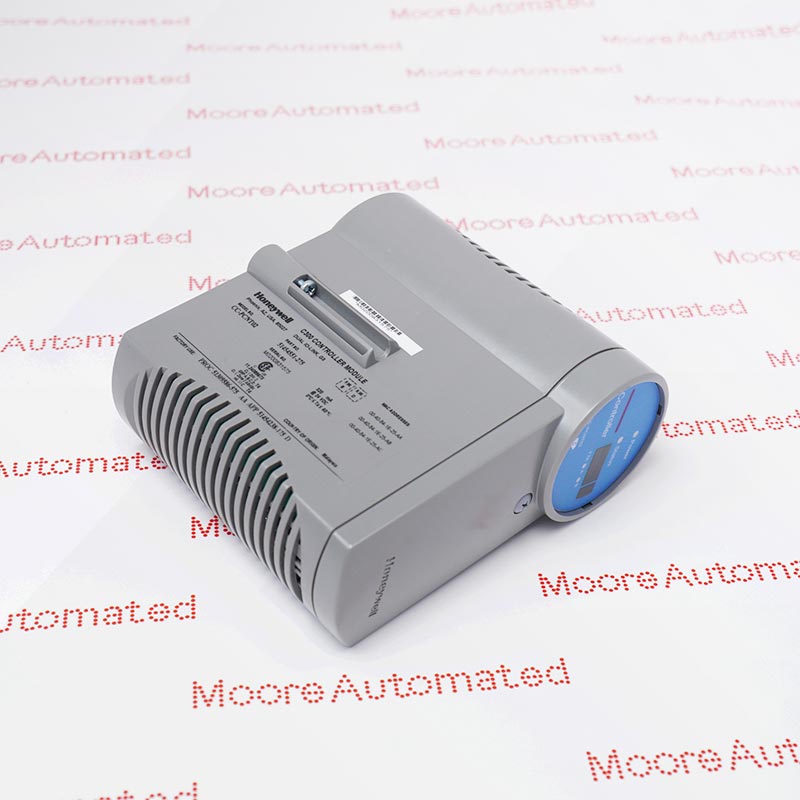
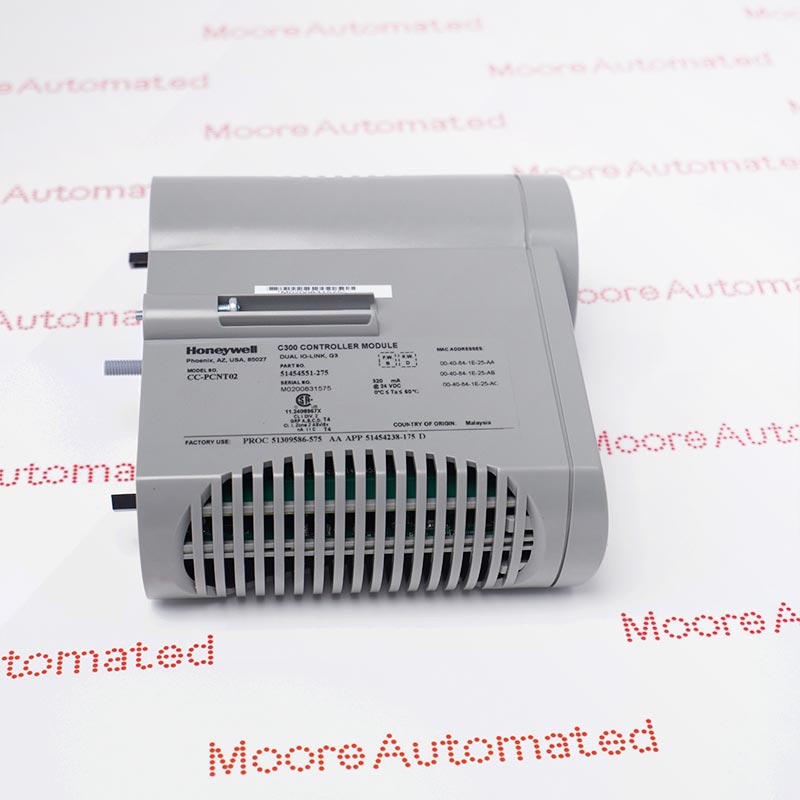
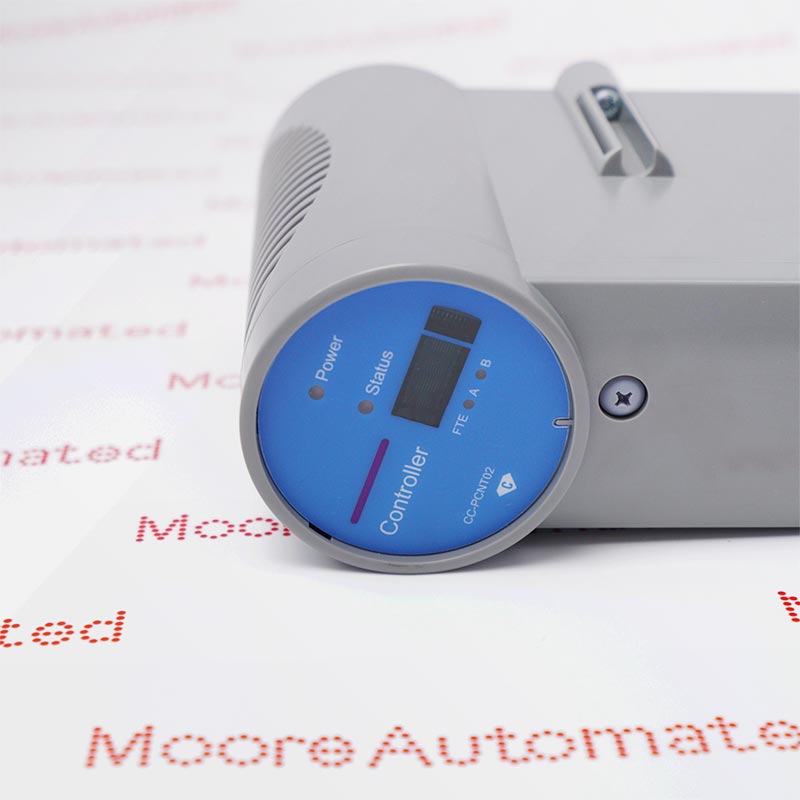
- Ethernet Interface Module C300 Controller Module
- C300 controller CC-PCNT02 replaces CC-PCNT01 for new installations and field replacements
- C300 controller must use CC-PCNT02 model with extended functionality firmware image for C300 extended functionalities
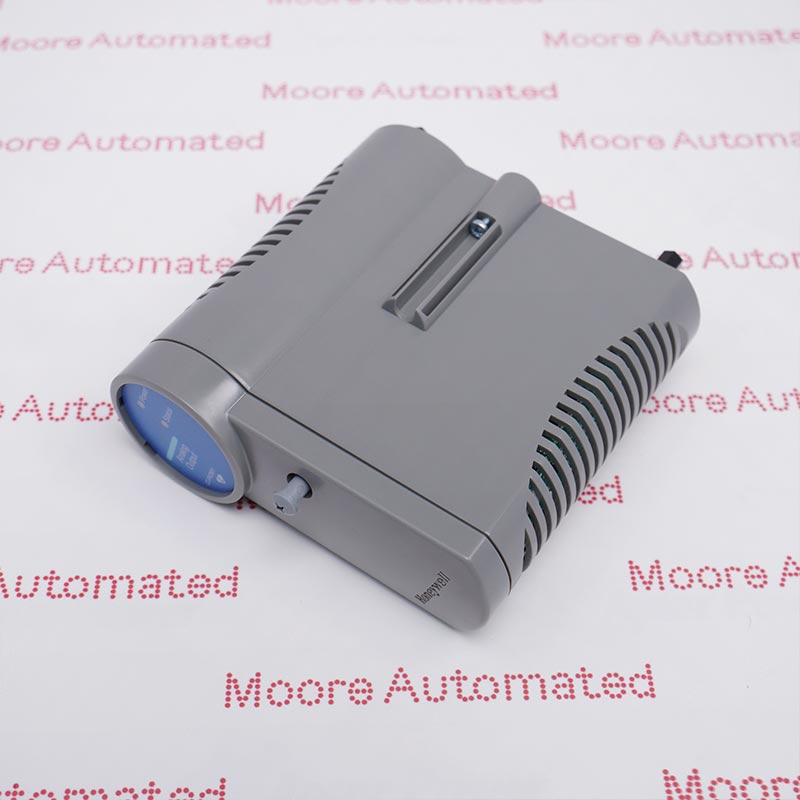
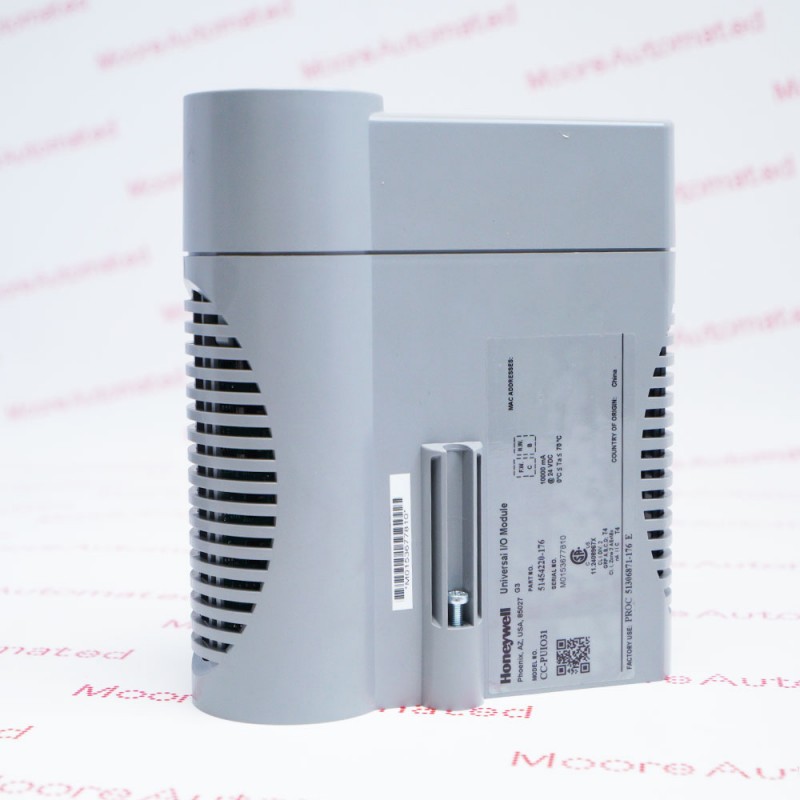
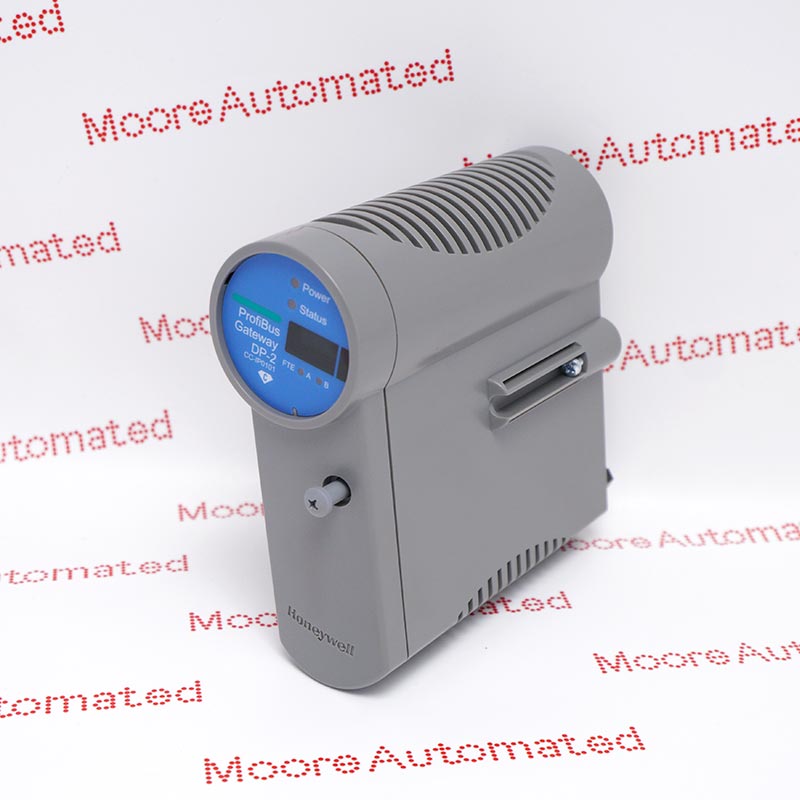
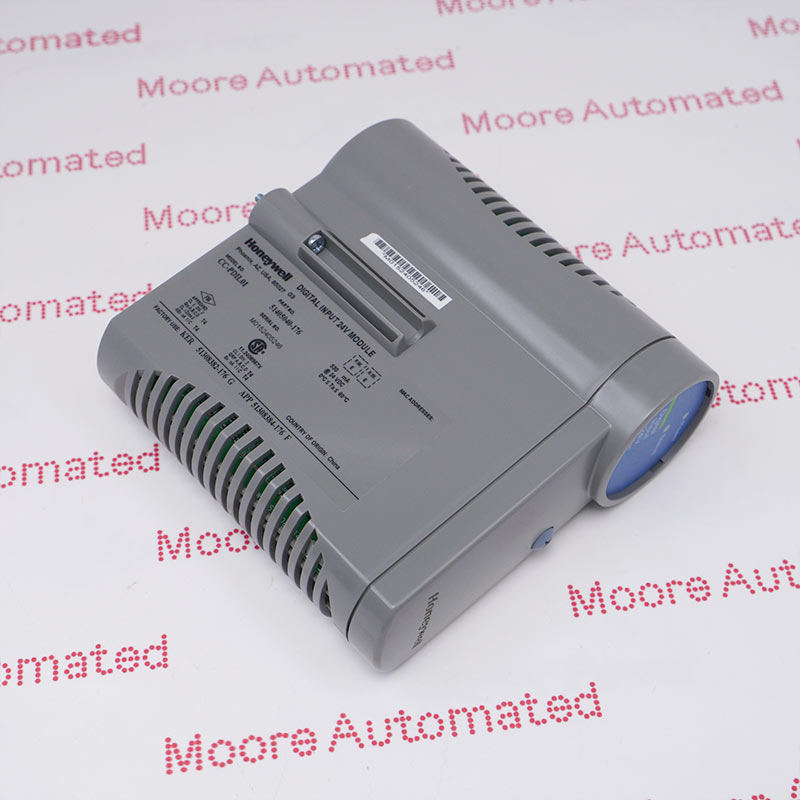
The primary function of the CC-PCNT02 51454551-275 is to execute complex control algorithms, including regulation control, sequential logic, and advanced process strategies, based on real-time data acquired from field devices. By continuously processing input signals and generating corresponding control outputs, the CC-PCNT02 51454551-275 ensures precise control of industrial processes, which is crucial for maintaining system stability, efficiency, and safety in harsh environments such as oil and gas, petrochemical, and power plants.
It facilitates seamless data exchange between field I/O modules, operator workstations, and monitoring systems through a robust industrial communication network. The module supports redundant configurations and integrates diagnostic functions, thereby improving system availability and fault tolerance. These features enable the CC-PCNT02 51454551-275 to significantly enhance the performance of scalable, high-reliability automation systems, especially suitable for systems with extremely high requirements for uninterrupted operation.
The CC-PCNT02 51454551-275 Honeywell Ethernet Interface Module may still be available for purchase and support from Moore Automated Company beyond End-Of-Life (EOL) by the manufacturer (OEM).
Honeywell CC-PCNT02 51454551-275 Ethernet Interface Module Manuals(Datasheets), Link
Important Notice: Other accessories, manuals, cables, calibration data, software, etc. are not included with this equipment unless listed in the above stock item description. All prices are shown in USD.
The CC-PCNT02 51454551-275 then executes the configured control algorithm in real time, comparing process variables with setpoints and calculating necessary control actions. These output commands are sent back to the actuators and control elements throughout the cycle. Throughout the cycle, the module continuously monitors system status and communication integrity, thereby ensuring the accuracy, stability, and reliability of process control.
1. Process Automation and Control: Executes complex control strategies, regulation loops, and logic functions suitable for both continuous and batch processes.
2. Industrial Monitoring: Used for real-time monitoring and management of critical parameters such as pressure, temperature, and flow rate.
3. High Availability Systems: Typically deployed in redundant pairs to ensure the continuous operation of critical infrastructure, where downtime is unacceptable in these environments.
4. Advanced Process Integration: Specifically designed for scenarios requiring integration with profit controllers (Advanced Predictive Control) and Extended Input/Output Modules (EIMs).
This module is widely used in heavy industry sectors, including:
1. Oil and Gas: Upstream and downstream processing and monitoring.
2. Chemicals and Petrochemicals: Managing complex chemical reactions and safety systems.
3. Power Generation: Controlling power output and plant monitoring systems.
4. Pharmaceuticals: Monitoring batch production processes requiring strict regulatory compliance.
5. Metallurgy and Manufacturing: Automation in mining, smelting, and smart manufacturing environments.