


Registered Address: 32D Floor Guomao Building, No.388, Hubin South Road, Siming District, Xiamen,Fujian, China
ISO 9001:2015 Certified
Our quality management system covers sourcing,testing and dispatch
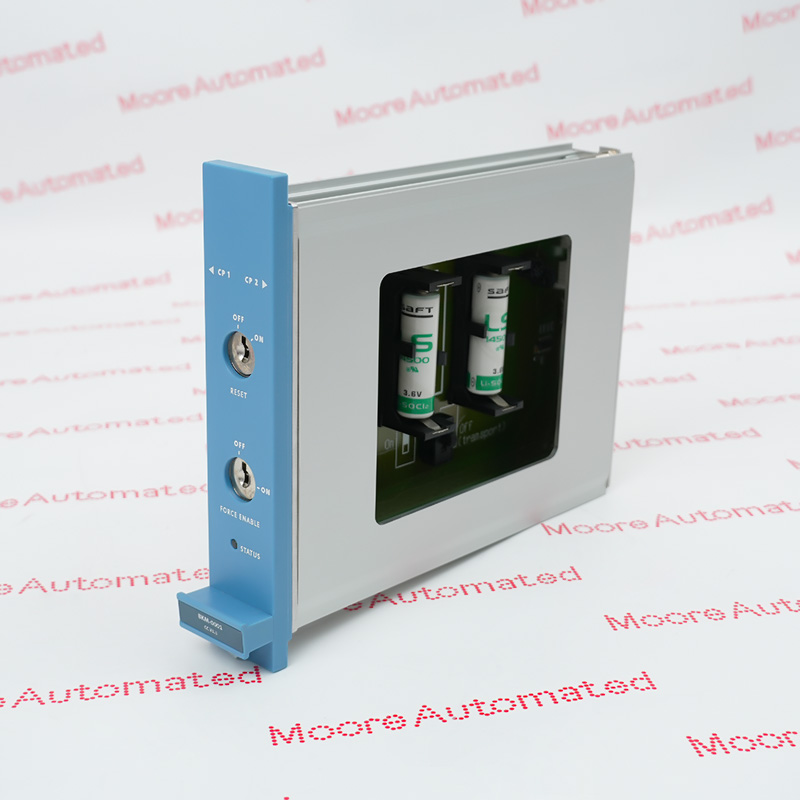
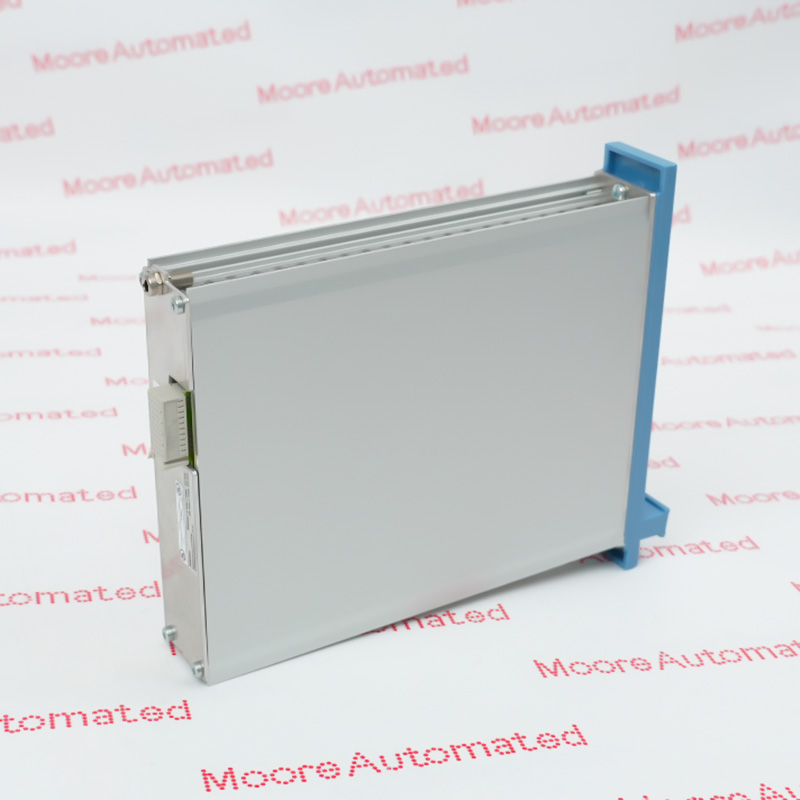
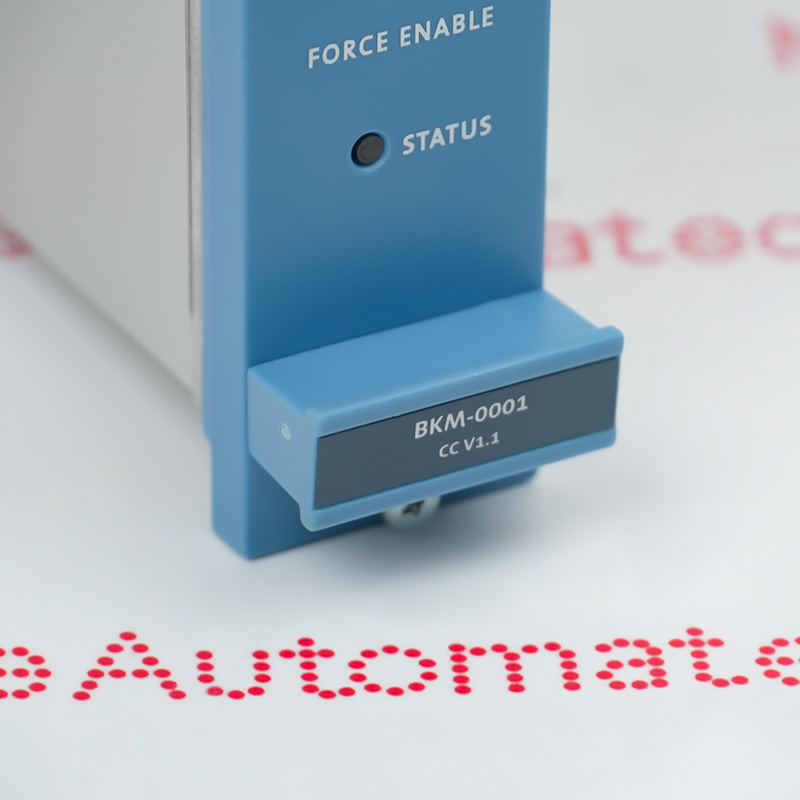
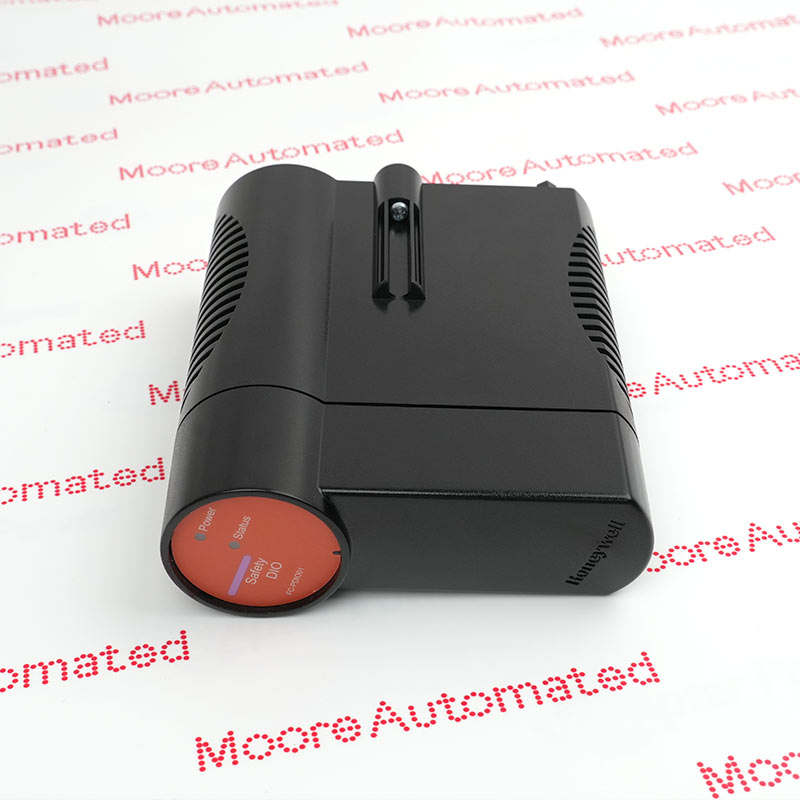
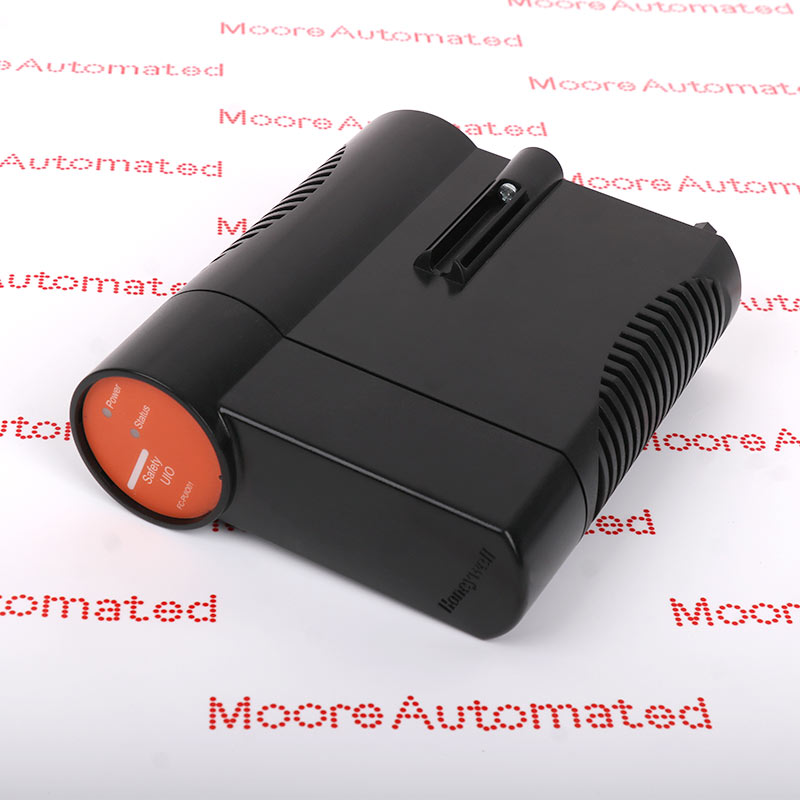
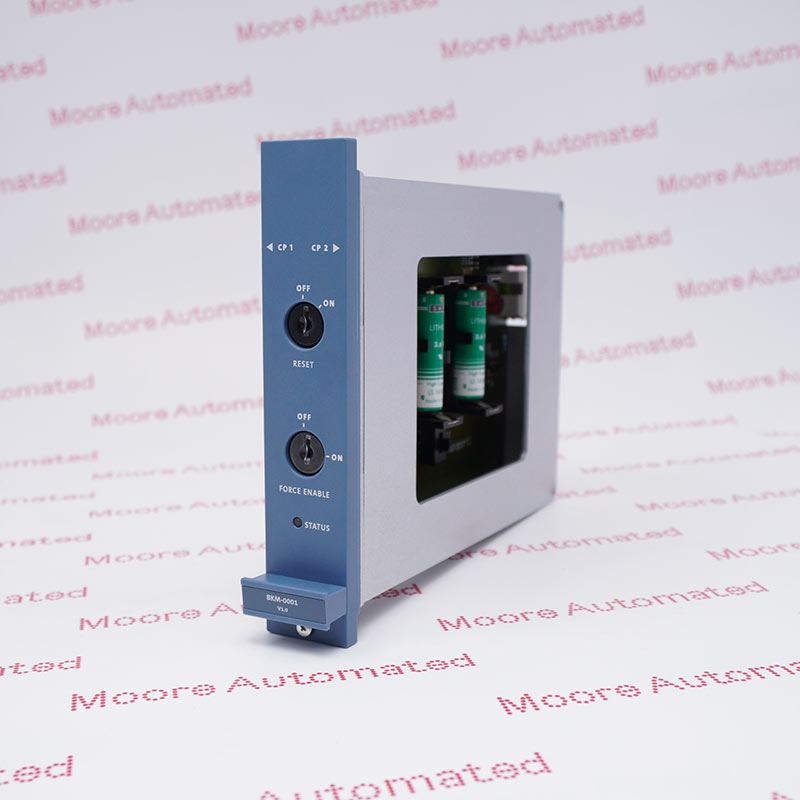
The Honeywell FC-BKM-0001 V1.1 is a battery and key switch module for Honeywell's safety management and control systems. This hardware accessory has two main functions: providing backup power to preserve configuration information during power outages, and integrating a physical key switch for manual access/mode switching in industrial safety environments.
The module incorporates two independent SAFT non-rechargeable lithium batteries (operating voltage 24VDC/5VDC injection) that provide approximately 3 months of backup power during mains failures, maintaining the real-time clock (RTC), diagnostic error logs, and FTE network IP address on the main control QPP module.
The module physically integrates two sets of mechanical key switches: one for "forced enable" and the other for "system reset" to prevent field misoperation and support safe clearing of the diagnostic database.

Registered Address: 32D Floor Guomao Building, No.388, Hubin South Road, Siming District, Xiamen,Fujian, China
MooreAutomated.com is the official website and primary online platform operated by Moore Automation Limited. The website provides information about the company’s industrial automation parts sourcing services, product coverage and customer support. Moore Automation Limited operates as an independent supplier and is not an authorized distributor or representative of the manufacturers displayed on this website unless expressly stated.