

Registered Address: 32D Floor Guomao Building, No.388, Hubin South Road, Siming District, Xiamen,Fujian, China
ISO 9001:2015 Certified
Our quality management system covers sourcing,testing and dispatch
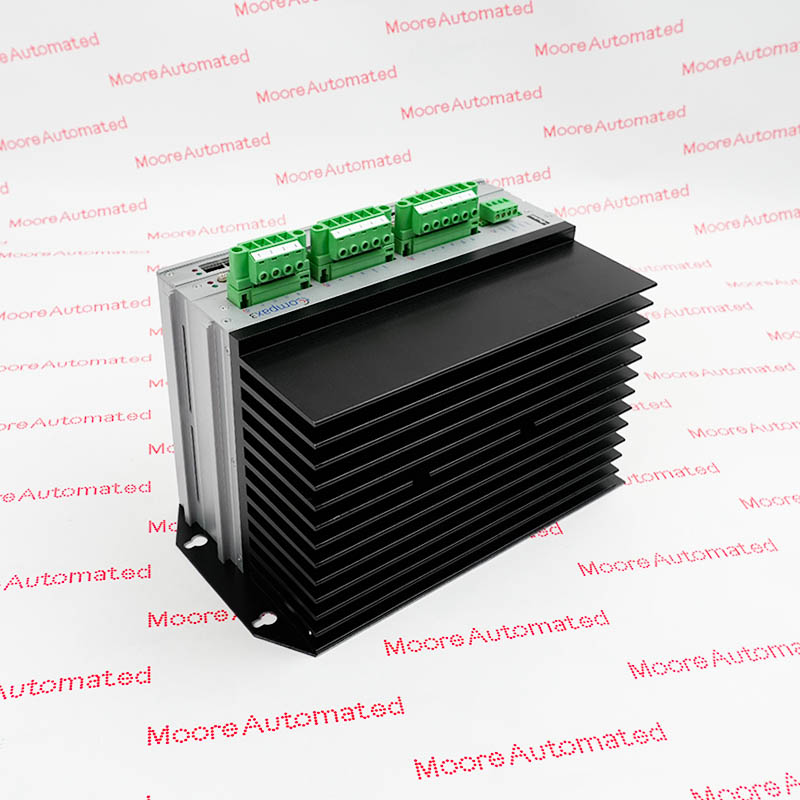
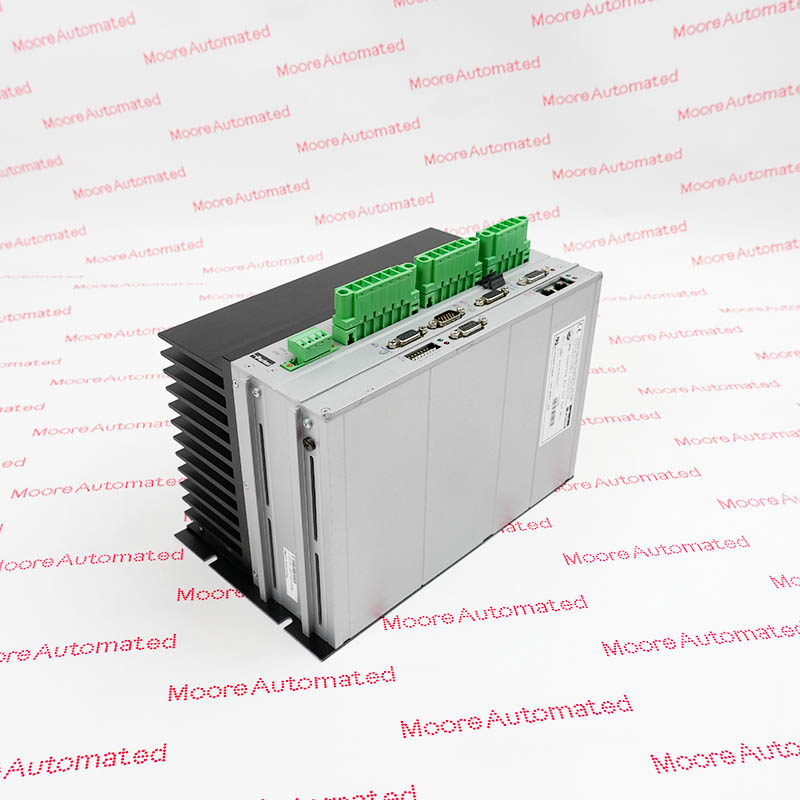
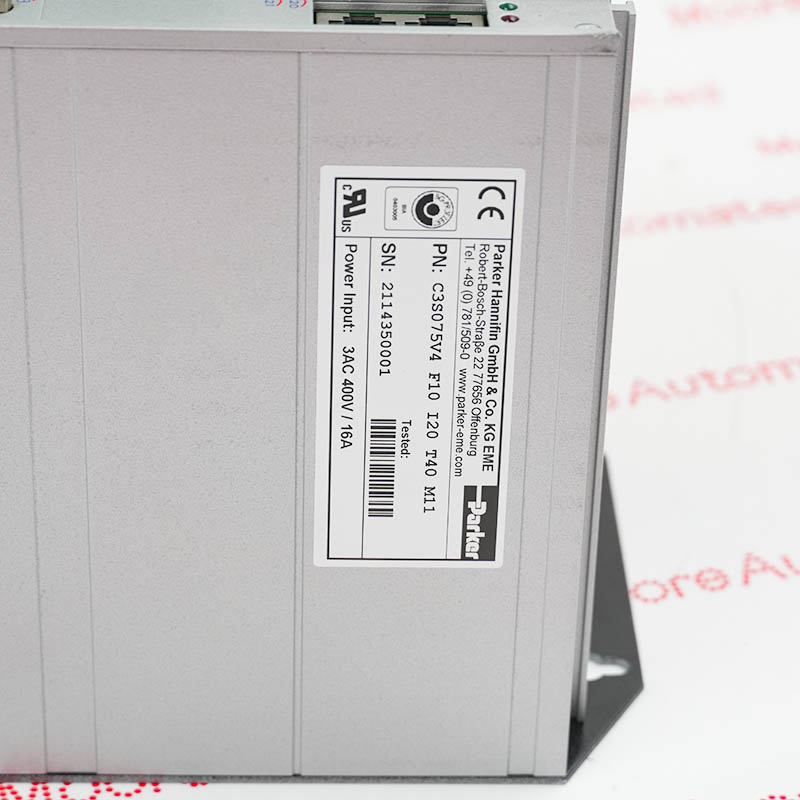
The Parker Hannifin C3S075V4 F10 I20 T40 M11 is a high-performance single-axis Compax3S series intelligent servo drive and controller. It supports three-phase 400V/480V power input and has a continuous output current capability of 7.5A. The drive utilizes a high-failure-rate resolver signal feedback interface and achieves rapid data exchange with the host system via a built-in Profibus DP industrial bus.
Its key highlight is the T40 electronic cam technology, which supports complex nonlinear master-slave axis synchronization logic. Combined with the additional I/O channels provided by the M11 hardware expansion board, this drive and controller are perfectly suited for industrial applications with extremely high requirements for dynamic response and process trajectory, such as flying shears, rotary cutting tools, multi-axis synchronous packaging, and precision printing.

Registered Address: 32D Floor Guomao Building, No.388, Hubin South Road, Siming District, Xiamen,Fujian, China
MooreAutomated.com is the official website and primary online platform operated by Moore Automation Limited. The website provides information about the company’s industrial automation parts sourcing services, product coverage and customer support. Moore Automation Limited operates as an independent supplier and is not an authorized distributor or representative of the manufacturers displayed on this website unless expressly stated.