



Industrial automation parts procurement is changing as manufacturers connect production records, introduce more flexible equipment and plan around aging control systems. Medical devices, automotive, aerospace, energy, food and packaging share a need for reliable replacement parts, but the evidence needed before purchase differs. This guide connects six industry trends with practical checks for PLCs, I/O, drives and monitoring components.
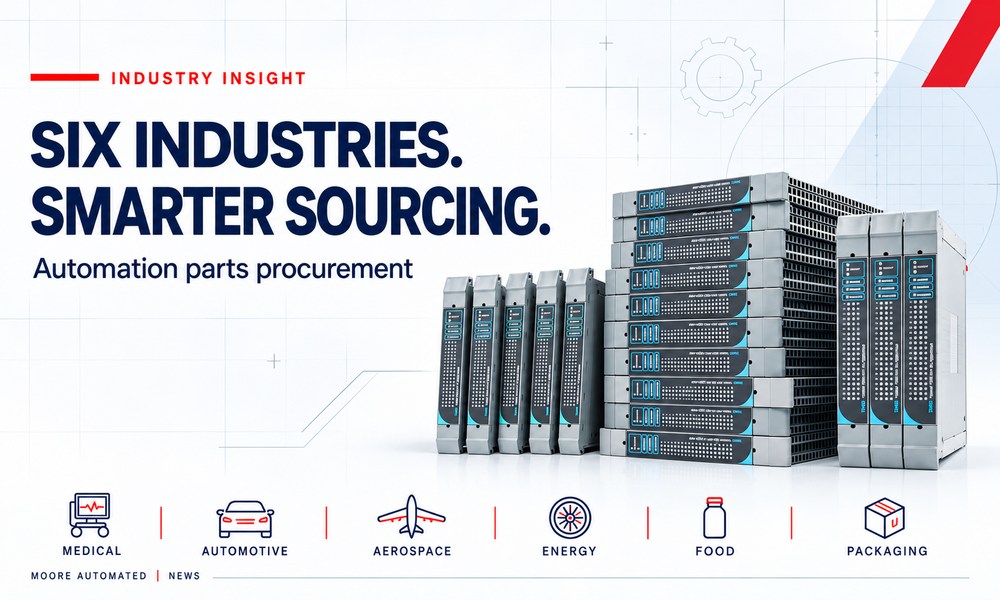
What is changing in automation parts procurement?
The official manufacturer resources below point to three connected priorities: more traceable production, more flexible machines and better use of asset condition data. For buyers, the practical implication is to connect a part number with the machine configuration, operating requirement and evidence needed to put the equipment back into service.
Industry trends and the parts information buyers need
Medical device manufacturing
Digital production records make the connection between equipment settings, process steps and product history more important. Siemens describes paperless workflows and electronic device history records for medical-device manufacturing. [1]
Automotive manufacturing
More adaptable production places greater emphasis on coordinated hardware and software. Rockwell’s automotive approach uses modular systems and version-controlled engineering libraries to support flexible manufacturing. [2]
Aerospace manufacturing
Aerospace production is connecting engineering plans with shop-floor execution. Siemens describes model-based planning and virtual validation to help manufacturing stay aligned with approved designs. [3]
Energy & power generation
Condition monitoring connects maintenance decisions with the health of rotating equipment. Bently Nevada’s power-generation portfolio covers vibration monitoring for turbines, generators and pumps. [4]
Food & beverage production
Connected production links recipes, process measurements and batch records. Rockwell describes integrating control and production data to improve visibility and manage change in food and beverage operations. [5]
Packaging machinery
A wider mix of products and pack formats raises the value of flexible motion and consistent machine interfaces. Rockwell highlights scalable packaging control and coordinated line operation. [6]
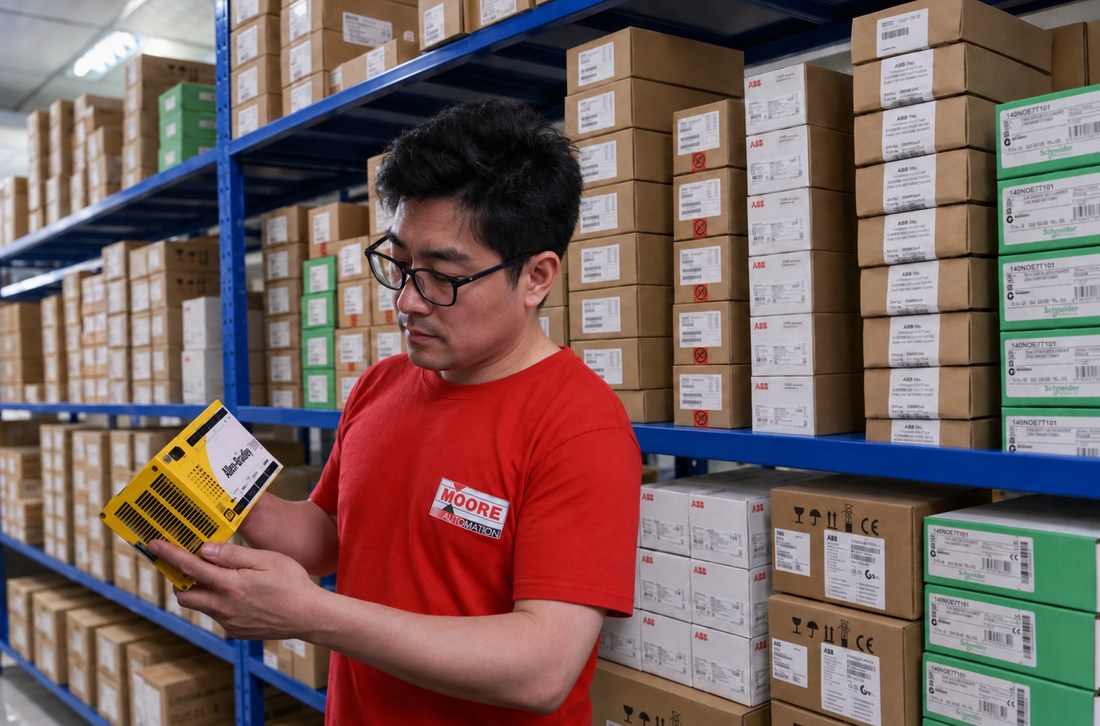
Make the exact part easier to verify
A useful photograph connects the model, physical item and visible condition. A useful quotation connects that evidence to the quantity, commercial terms and delivery requirement.
Illustrative image based on the supplied Moore material library; facial features have been AI-edited. This illustration is not item-specific inspection evidence. Functional tests or certifications must be agreed and documented separately.
Turn the industry requirement into a usable RFQ
Start with the installed equipment and its failure consequence. Then give the supplier enough information to distinguish a potential match from an approved replacement. Keep the technical acceptance decision connected to your engineering or maintenance owner.
Manufacturer, complete code, quantity, photos and system context.
Revision, firmware, connectors, configuration and required evidence.
Condition, availability, lead time, warranty and delivery basis.
Incoming checks, configuration restore and authorized return to service.
Example: ICS Triplex T8431 analog input module
This product overview from Moore Automated's YouTube channel gives buyers a visual reference for an industrial I/O module. Use it alongside the exact label and installed-system documentation when preparing an inquiry.
Video: ICS T8431 product overview · Published by Moore Automated. This overview is not a functional test record or compatibility approval.
Explore PLC, I/O and monitoring components
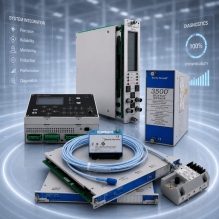
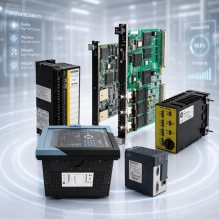
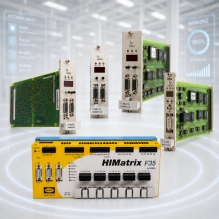
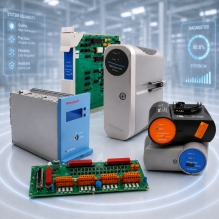
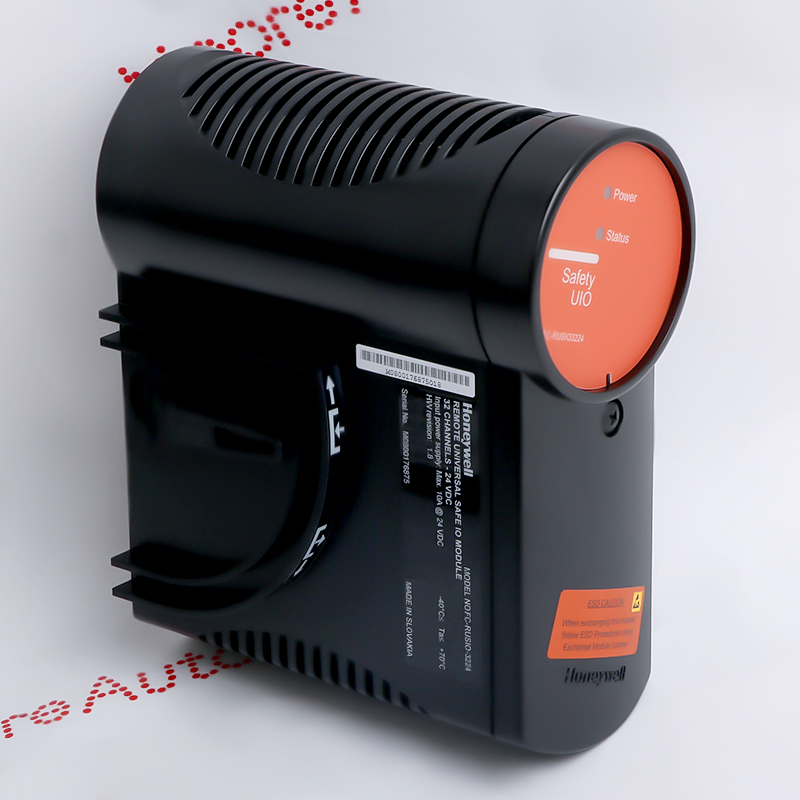
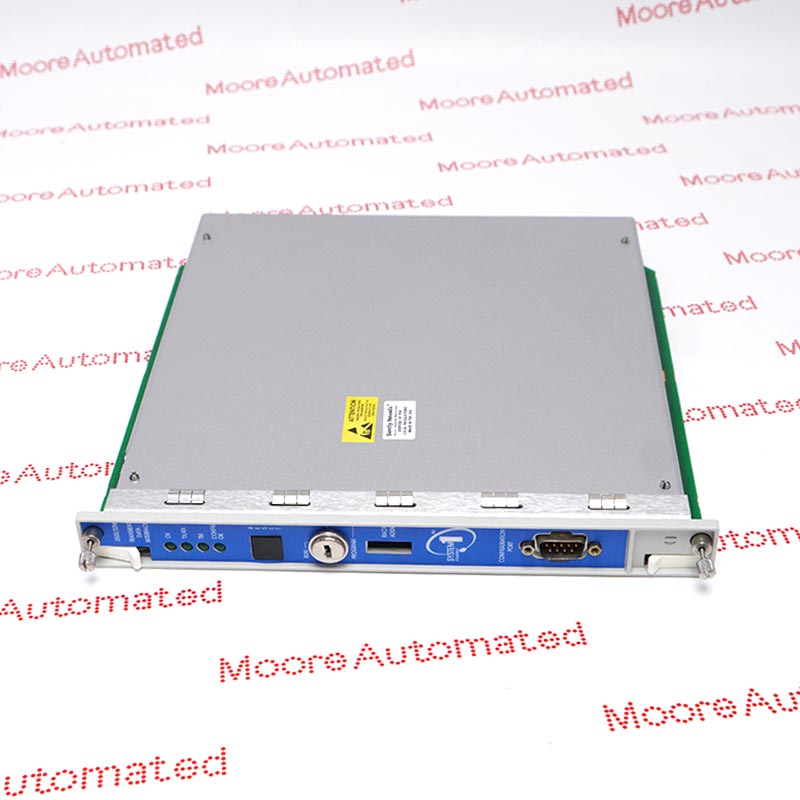
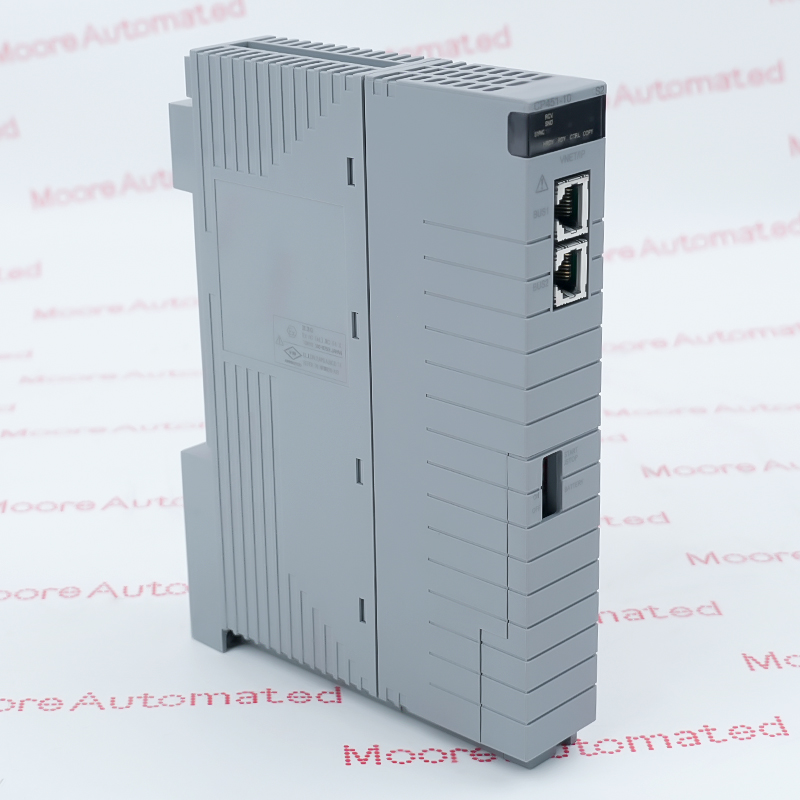
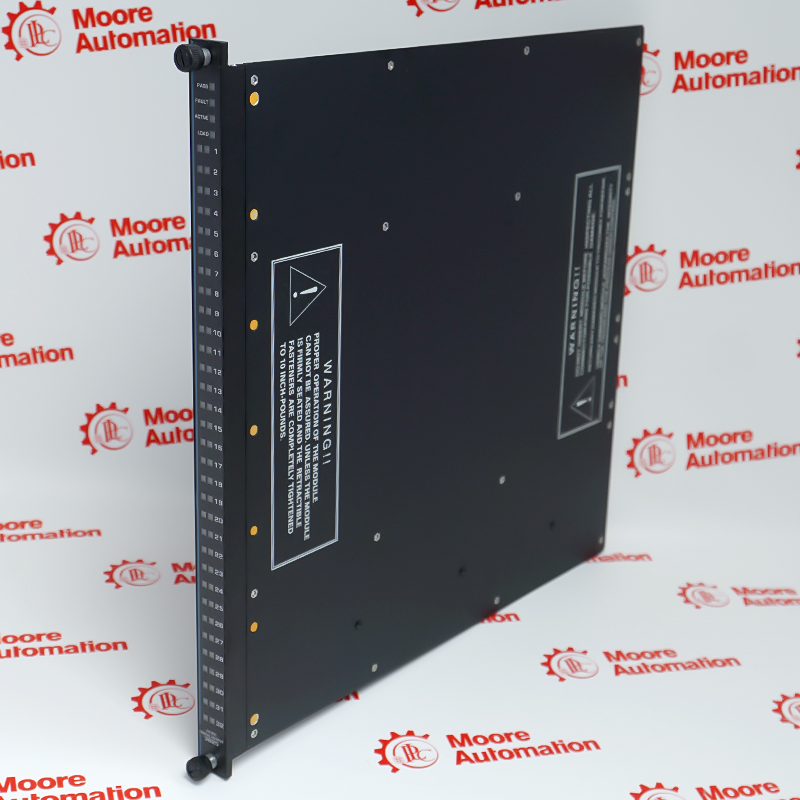
These catalog references are starting points for identification. They are not interchangeable substitutes, or a recommendation for a particular regulated or safety-related application.
Check controller series, firmware and the installed ControlLogix architecture.
DISTRIBUTED I/OSiemens 6ES7132-6BF01-0AA0 ↗Verify the complete order number and the associated station configuration.
ANALOG INPUTICS Triplex T8431C ↗Check the exact suffix and system documentation; do not assume equivalence to the video model.
EXTENSION CABLEBently Nevada 330130-030-00-00 ↗Review the complete probe, extension cable and sensor combination.
See how buyers review the evidence in person
Industry-specific automation procurement FAQ
Which automation parts are commonly requested across these industries?
Common categories include PLC processors, digital and analog I/O, HMIs, power supplies, communication modules, drives and sensors. The installed equipment determines the exact part; an industry label alone cannot establish compatibility.
Does an industrial component automatically qualify for a medical or aerospace application?
No. This article concerns components in manufacturing and support equipment. It does not identify them as patient-use medical devices or flight-qualified aircraft parts. The equipment owner must confirm the applicable approval and change-control requirements.
Can I replace a discontinued module with a newer model?
Only after the relevant compatibility and migration requirements have been checked. Firmware, software, wiring, interfaces, dimensions and application approvals may differ, even when product descriptions look similar.
What information should an industry-specific RFQ include?
Send the manufacturer, complete part number and suffix, hardware revision, firmware if relevant, quantity, required condition, machine or system, delivery destination and required date. Include clear nameplate and connector photographs.
Does a product video prove compatibility or functional condition?
No. A product overview can help with visual identification. Compatibility and functional condition require item-specific documentation and any agreed inspection or test record.
How are stock, dispatch and warranty confirmed?
Request written confirmation for the exact item and quantity. The quotation should state condition, availability, dispatch or lead-time basis, delivery terms and applicable warranty.
Which production requirement are you sourcing for?
Tell us your industry, machine or installed system, exact manufacturer part number, quantity, required condition, destination and required-on-site date. Include revision details and a nameplate photo where available.
We will use that context to clarify the item and prepare availability, condition, lead-time and warranty information for your quotation.
Manufacturer references
Sources accessed and checked on September 29, 2026. Manufacturer sources establish the industry context; the RFQ questions are editorial procurement guidance. Product selection remains subject to the installed system and current documentation.
Electronic production records, paperless workflows and controlled manufacturing changes.
Flexible manufacturing, modular automation and version-controlled engineering libraries.
Connected engineering, virtual production planning and conformity to approved designs.
Condition monitoring for turbines, pumps and generators.
Connected production, recipe control, traceability and modernization.
Flexible packaging, product changeovers and coordinated machine control.
Author: Miya Zheng, Sales Director at Moore Automated. Biography and professional profile appear in the site's author section.
Technical reviewer: Miya Zheng. Reviewed (September 29, 2026).
Publication date: September 29, 2026. Source review date: September 29, 2026.


Leave Your Comment