Overview
Manuals
Difference of P10 version
In terms of operation
Features:
- Relay Output Module
- It can be used in dual redundant configuration
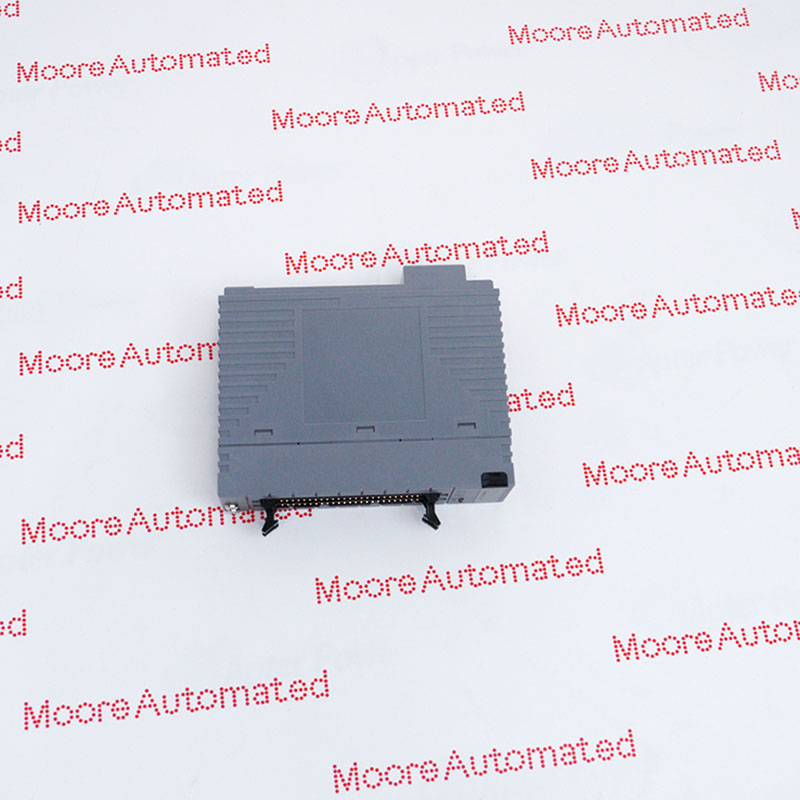
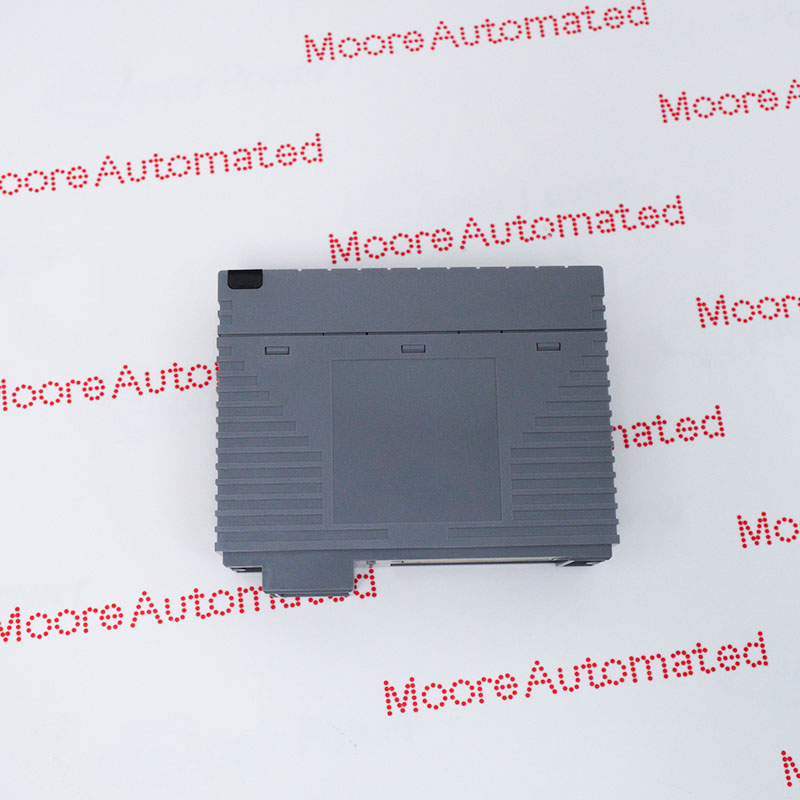
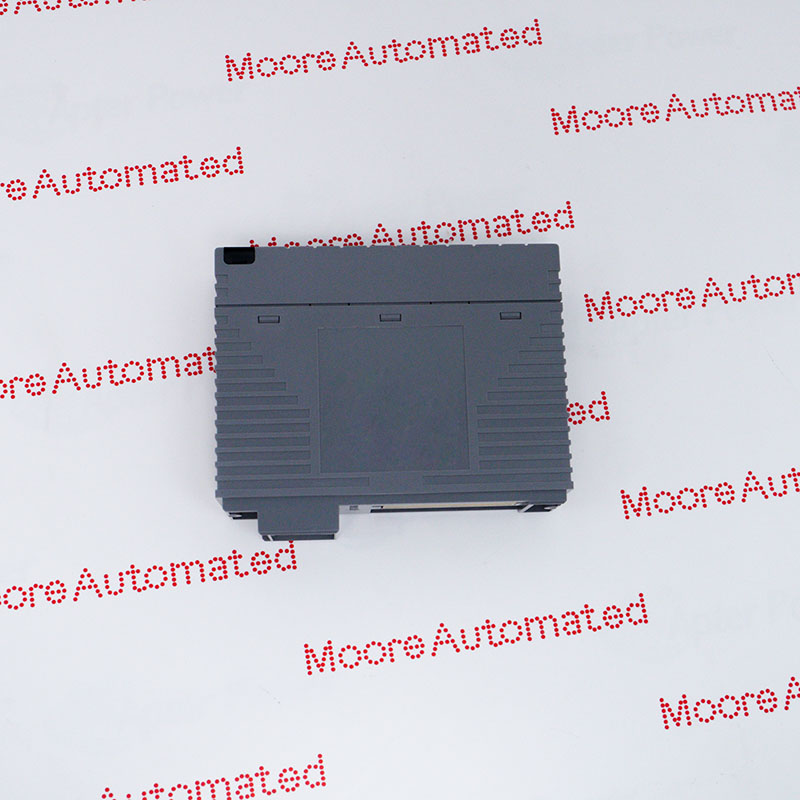
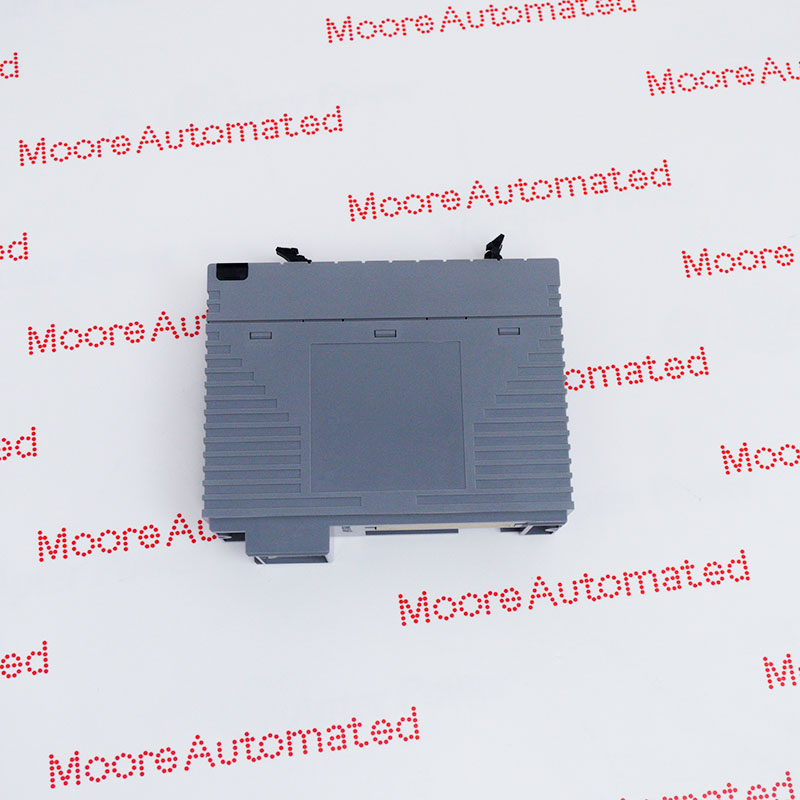
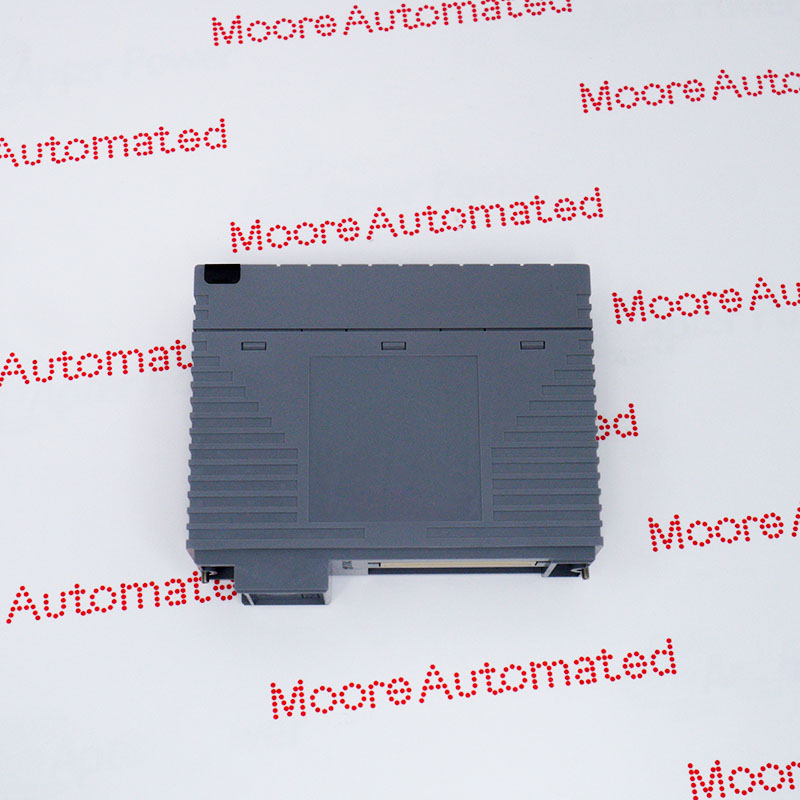
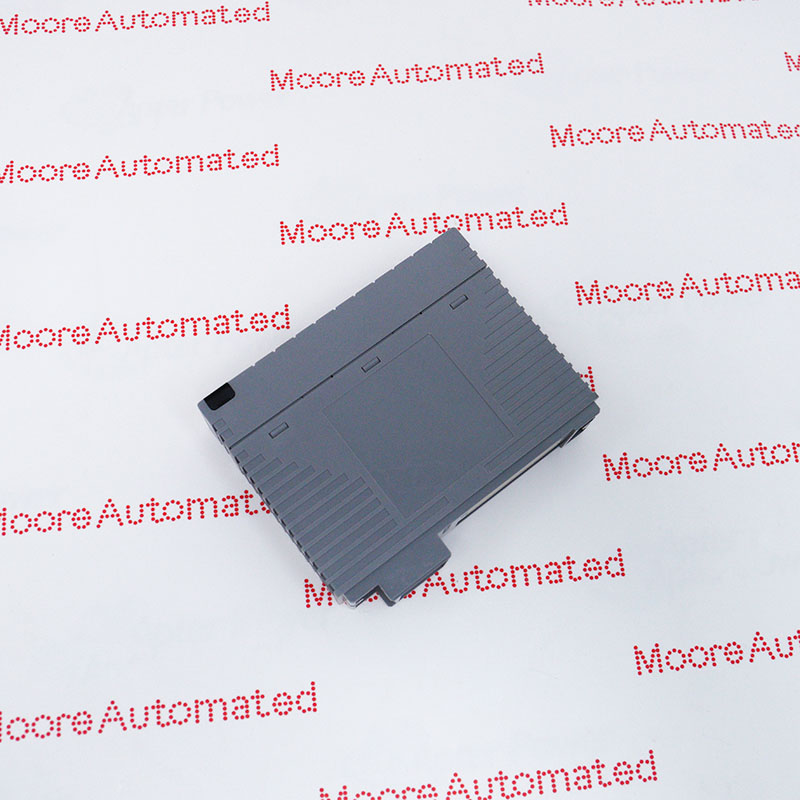
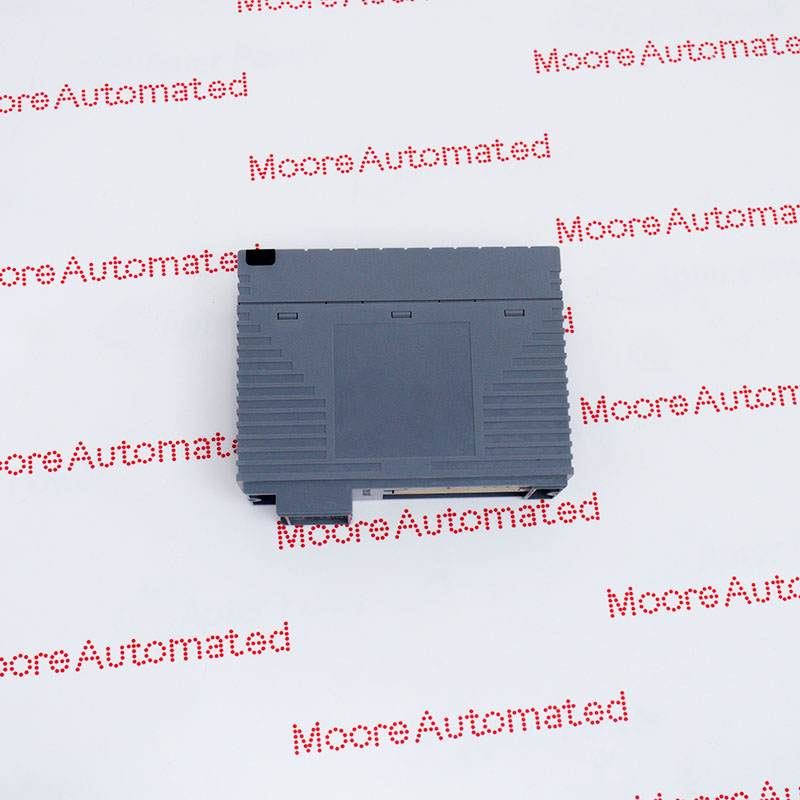
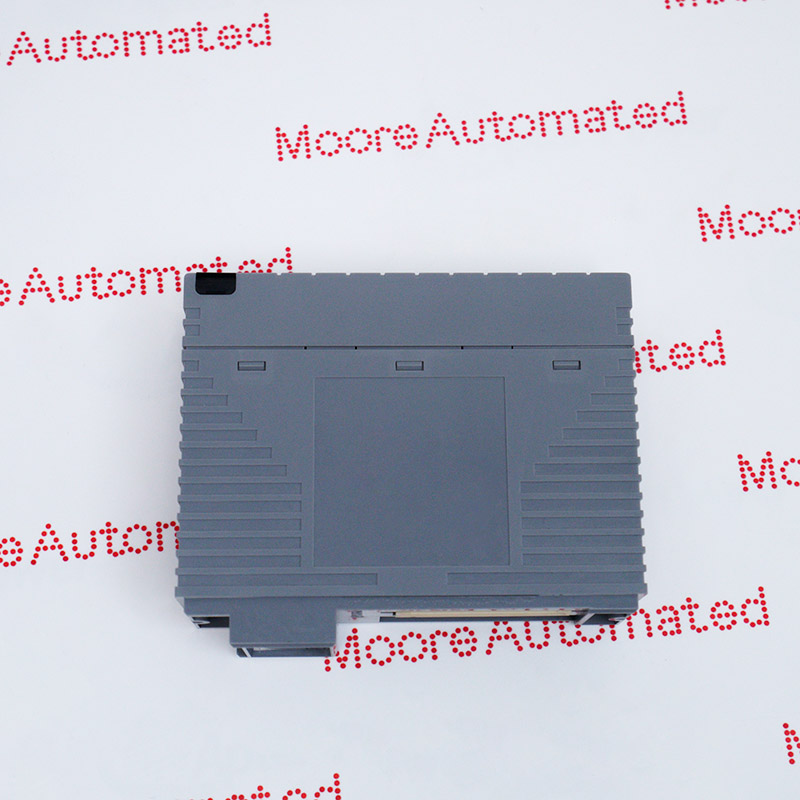
- The Relay Output Module outputs the 16-channel relay contact signals
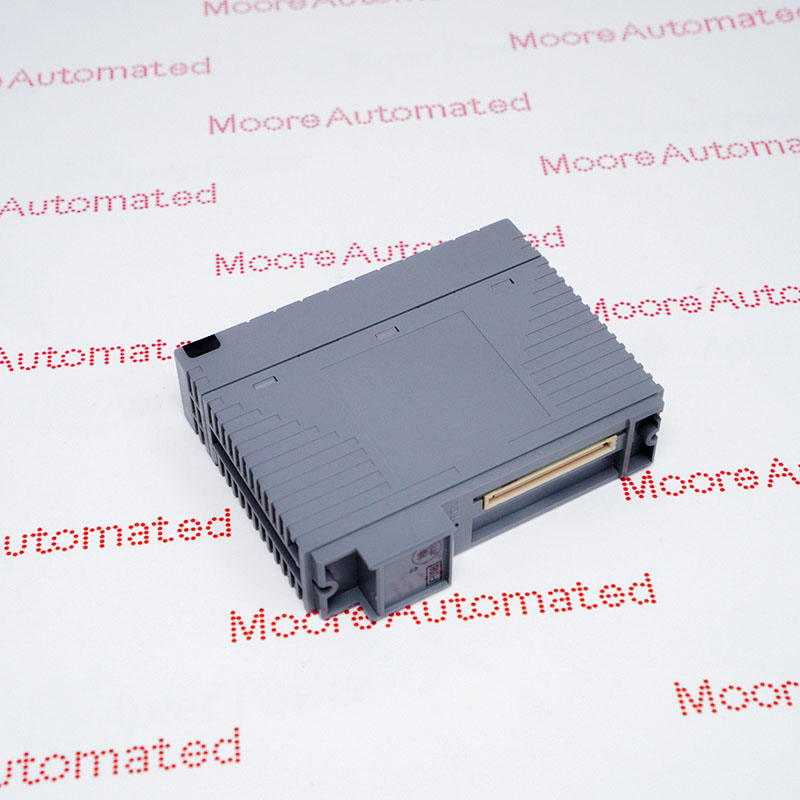
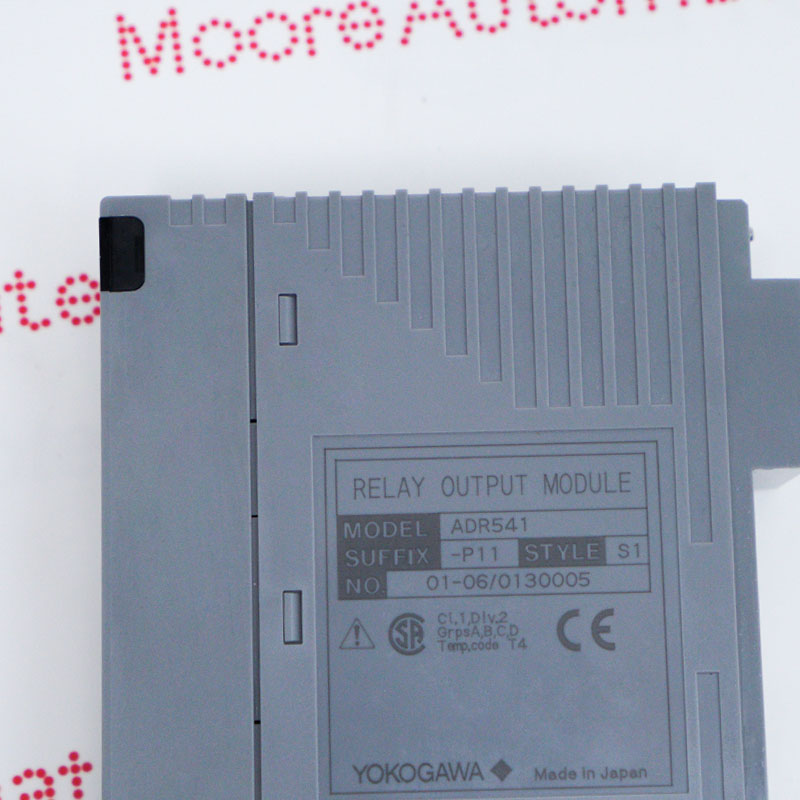
The Yokogawa ADR541-P11 S1 is a 16-channel relay output module designed specifically for CENTUM VP process control systems. It primarily serves as an isolation interface between the control system and high-power field devices, capable of handling voltage loads up to 240V AC or 110V DC.
This module supports dual redundancy configurations, offering extremely high reliability. It is commonly used in industries such as petroleum, chemical, and power generation to drive solenoid valves, start motors, or control critical actuators such as alarm lights.
The ADR541-P11 S1 YOKOGAWA Relay Output Module may still be available for purchase and support from Moore Automated Company beyond End-Of-Life (EOL) by the manufacturer (OEM).
YOKOGAWA ADR541-P11 S1 Relay Output Module DATASHEET(manual), Link
Important Notice: Other accessories, manuals, cables, calibration data, software, etc. are not included with this equipment unless listed in the above stock item description. All prices are shown in USD.
Compared to the P10 version, the P11 S1 version is optimized for surge protection and environmental adaptability to meet more stringent industrial standards. It features inter-channel electrical isolation to effectively prevent electromagnetic interference from the field from being transmitted back to the control system, thus ensuring system stability. Furthermore, this module supports multiple output modes, including status output and pulse output, flexibly adapting to the switching logic requirements of different industrial scenarios.
The ADR541-P11 S1 receives low-voltage digital command signals from the field control unit (FCU). Its internal optocoupler circuit drives a miniature electromagnetic relay built into the drive module, achieving electrical isolation. When the relay coil is energized, the mechanical contacts close or open, thereby connecting or disconnecting a large current in the external power supply circuit. This "small-scale control of large-scale" mechanism not only achieves the conversion of logic signals to physical power but also utilizes the physical disconnection characteristics of the relay to ensure complete electrical isolation between the control side and the load side.