Overview
Manuals
Principle
Features:
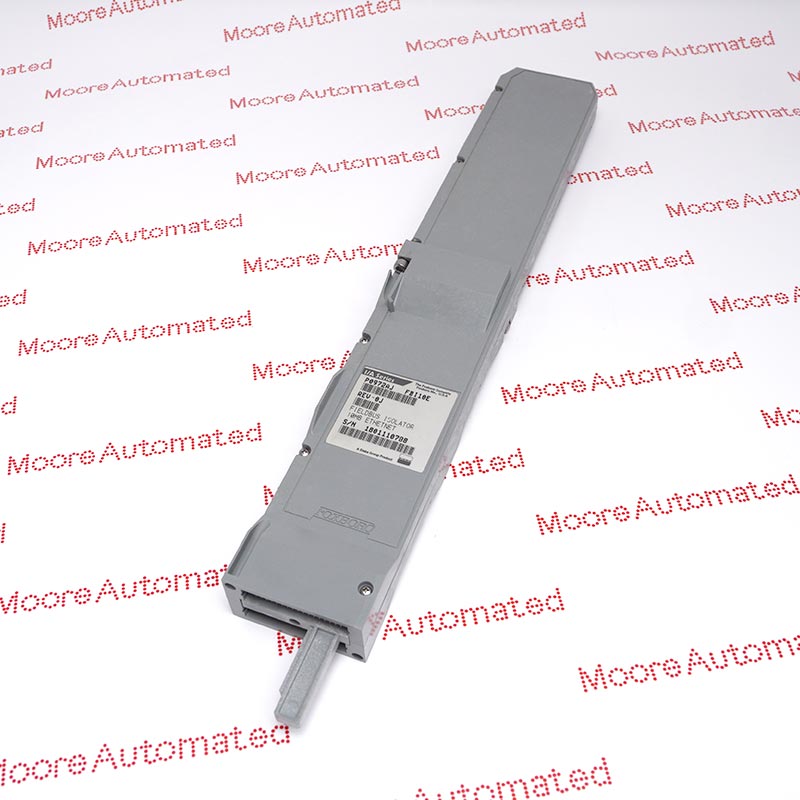
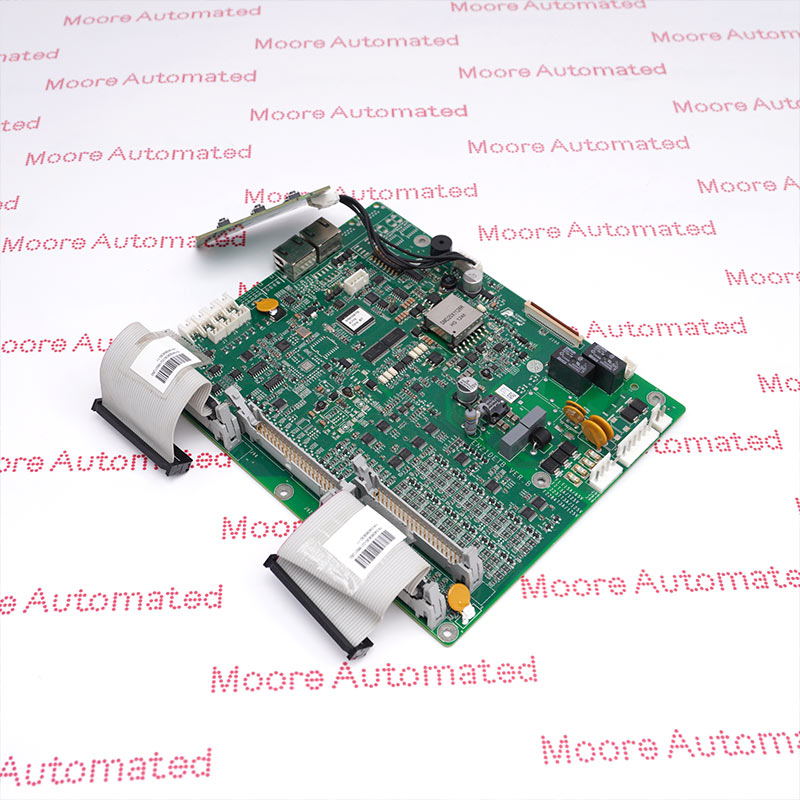
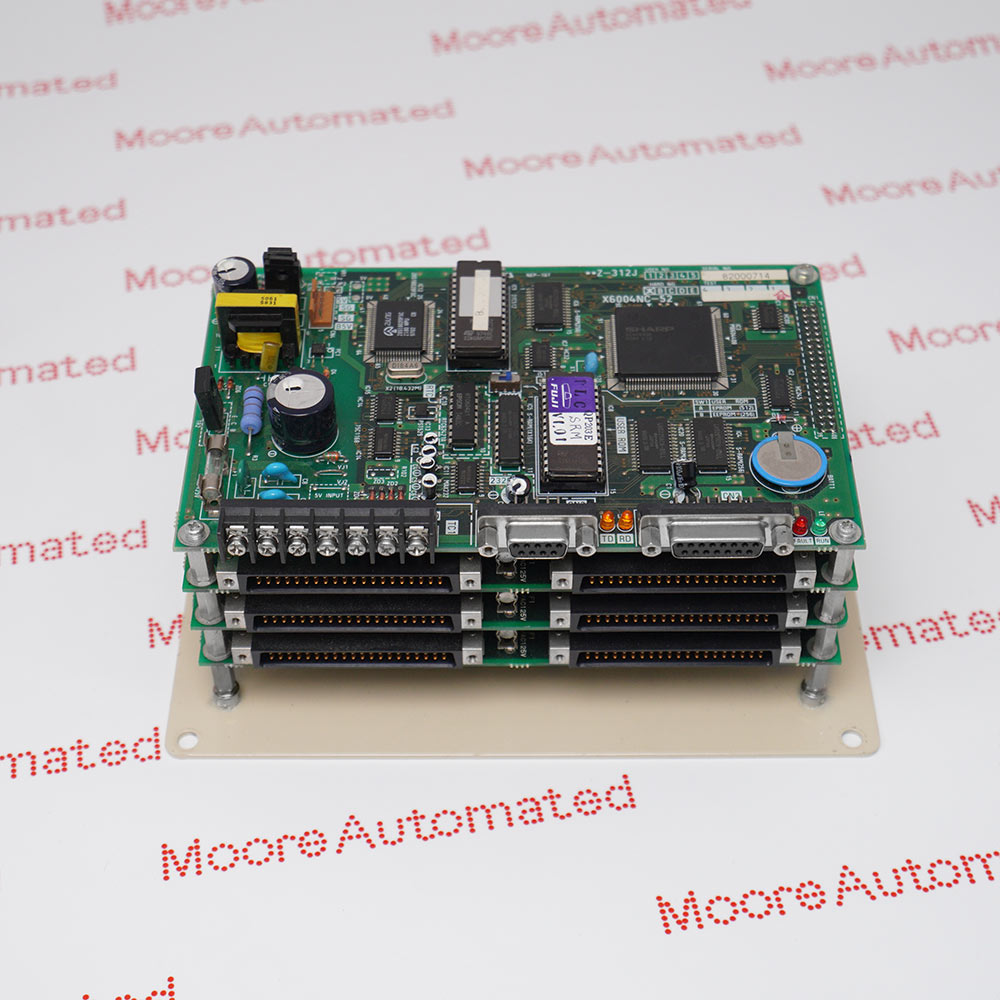
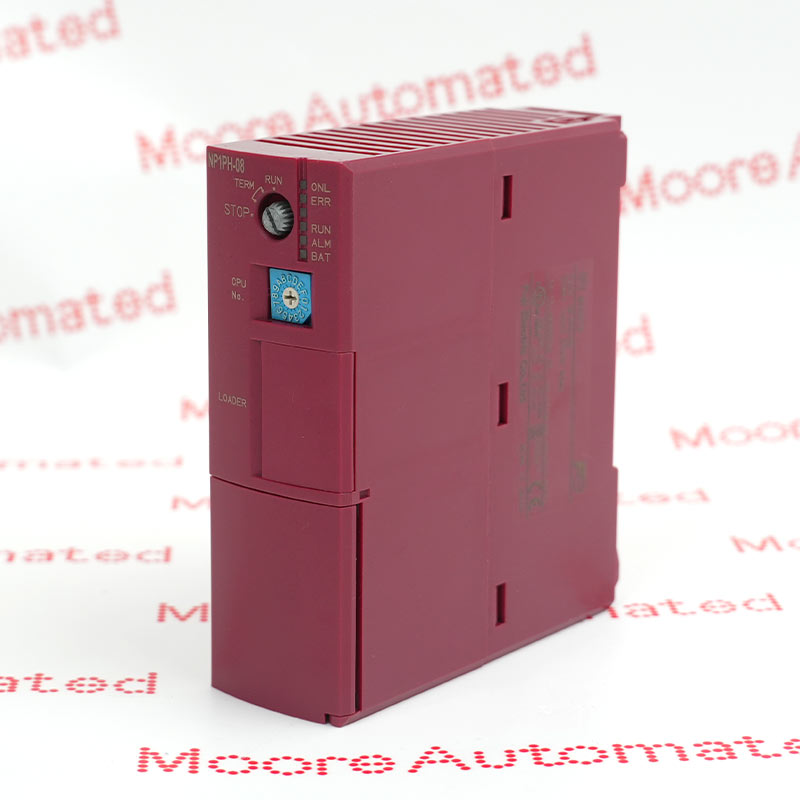
- TM INTERFACE MODULE
- Device Level Communication Module
- Designed for direct mounting on automation controller backplanes
This module typically enhances the network connectivity or multi-module communication capabilities of the PLC architecture, thereby enabling stable data interaction between the main controller and expansion units, remote I/O, or higher-level systems. As a system-level interface component, the NP1L-TMB acts as a communication relay and data bridge in the overall automation architecture, thereby improving the system's scalability and modular design capabilities.
Its design goals typically include increasing system communication throughput, optimizing the data synchronization mechanism of the master-slave control architecture, and supporting the parallel operation of multiple modules. By integrating into the PLC host or expansion backplane, the NP1L-TMB enables high-speed communication connections between different control nodes, thereby improving overall system stability and operating efficiency while maintaining industrial-grade anti-interference performance and long-term reliability.
The NP1L-TMB FUJI Tm Interface Module may still be available for purchase and support from Moore Automated Company beyond End-Of-Life (EOL) by the manufacturer (OEM).
FUJI NP1L-TMB Tm Interface Module Information(INFO), Link
Important Notice: Other accessories, manuals, cables, calibration data, software, etc. are not included with this equipment unless listed in the above stock item description. All prices are shown in USD.
When internal or external devices send data, the NP1L-TMB receives the signal through a hardware interface, performs protocol parsing and data buffering, and then forwards the data to the target module or control unit according to preset communication rules. It possesses internal data scheduling logic and error detection mechanisms to ensure the integrity and real-time performance of data transmission. Through this hardware-level communication processing and protocol management mechanism, the NP1L-TMB achieves stable, reliable, and scalable industrial communication functions.