Overview
Manuals
Principle
Features:
- Substation Controller Motor
- D200 Multi Processor Gateway
- Multilin D20/D200 Substation Controllers by General Electric
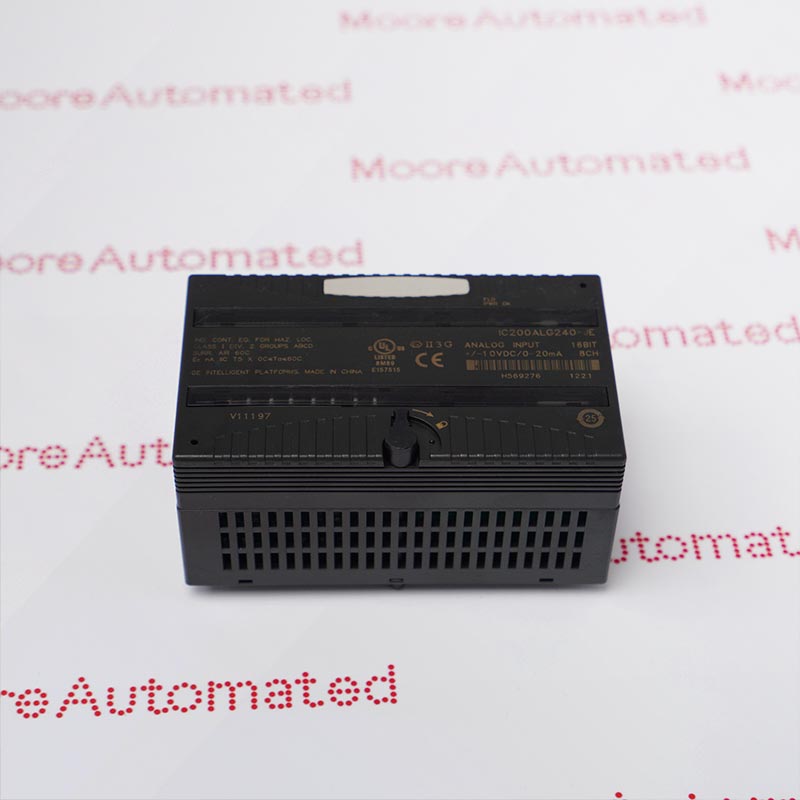
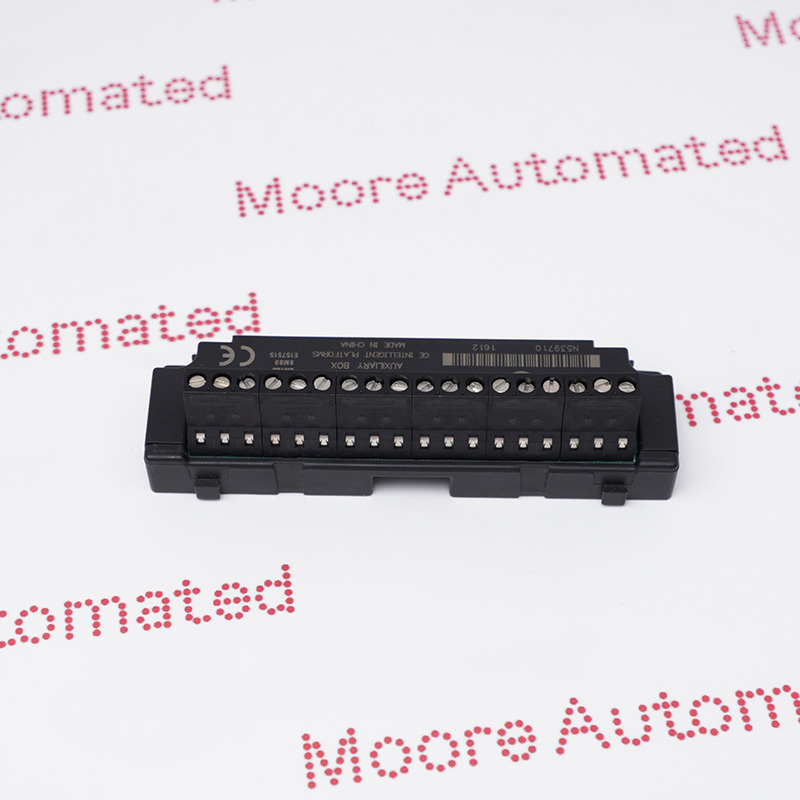
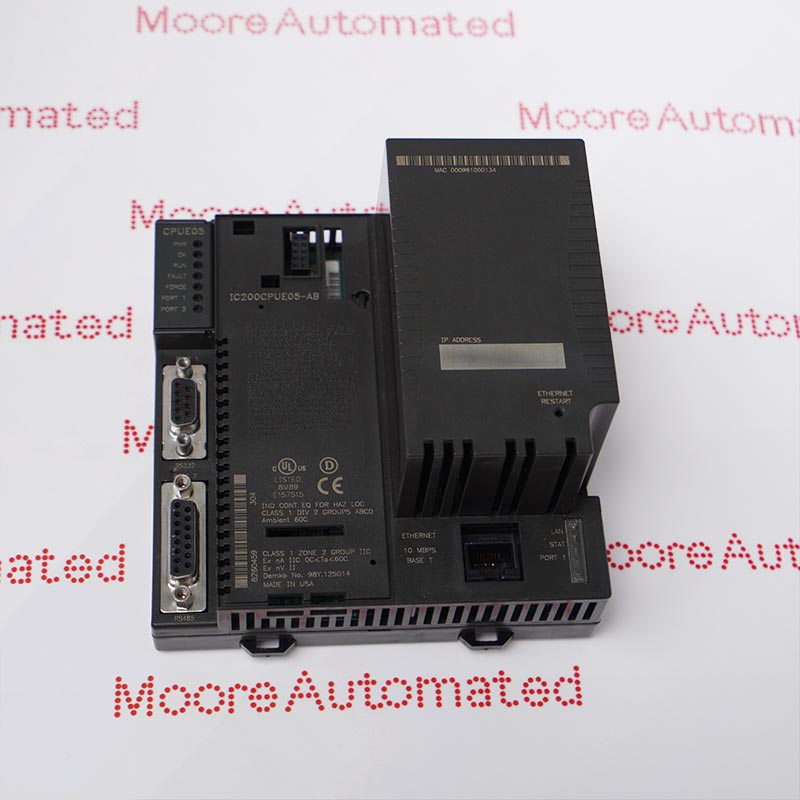
The D20 ME is a multi-functional remote terminal unit (RTU) and substation automation platform widely used in power transmission and distribution systems. Its primary function is to acquire real-time data from field devices such as protective relays, meters, circuit breakers, and sensors, and transmit this information to a Supervisory Control and Data Acquisition (SCADA) system. The D20 ME supports multiple communication protocols, enabling seamless interoperability with both traditional and modern substation equipment while ensuring high reliability and deterministic performance.
In addition to data acquisition, the D20 ME provides advanced control, automation, and event management capabilities in substation environments. It can execute logic-based control schemes, record event sequences with high time resolution, and support remote switching operations. Its modular architecture allows for flexible expansion of I/O modules and communication interfaces, making it suitable for complex power grid infrastructures with extremely high requirements for scalability, network security, and continuous operation.
The D20 ME General Electric Substation Controller Motor may still be available for purchase and support from Moore Automated Company beyond End-Of-Life (EOL) by the manufacturer (OEM).
General Electric D20 ME Substation Controller Motor datasheet(manual), Link
Important Notice: Other accessories, manuals, cables, calibration data, software, etc. are not included with this equipment unless listed in the above stock item description. All prices are shown in USD.
Field signals (including analog and digital signals) are acquired through input modules, conditioned, and converted into digital data for internal processing. The onboard processor executes firmware-based control logic, evaluates status conditions, and manages communication tasks. Processed data is transmitted to a higher-level SCADA or energy management system via supported communication protocols. Simultaneously, control commands from remote systems are verified and sent to field devices. This bidirectional data and control flow ensures reliable monitoring, protection coordination, and automated operation of the substation.