Overview
Manuals
Working environmental
Industrial Applications
Features:
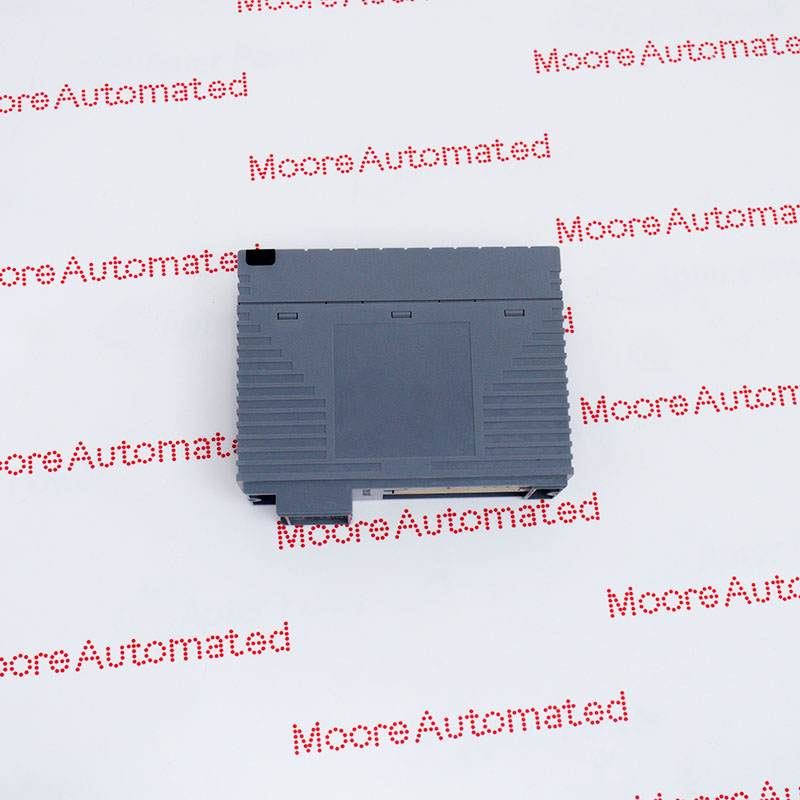
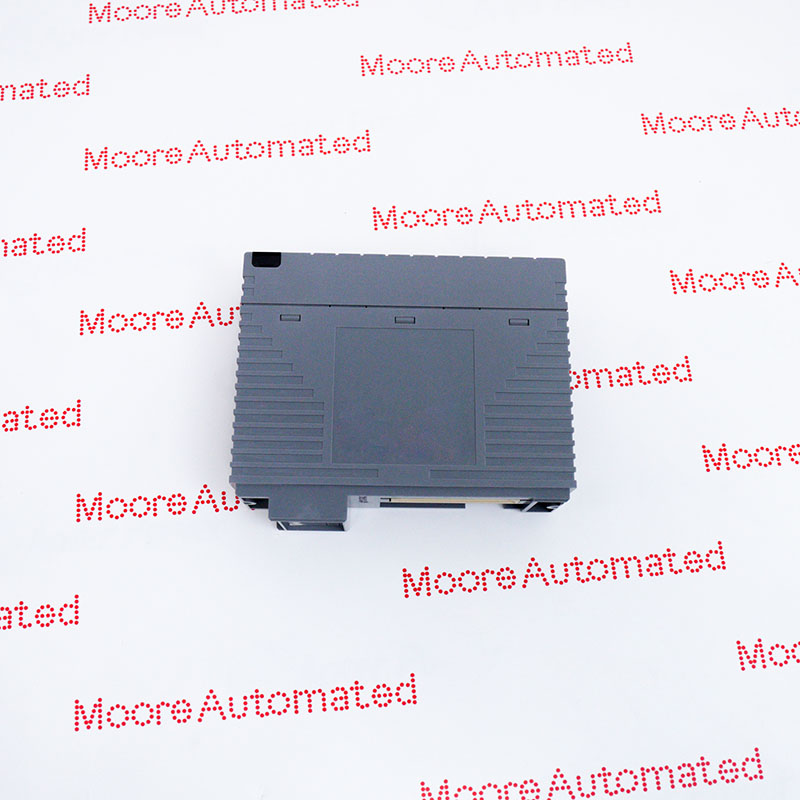
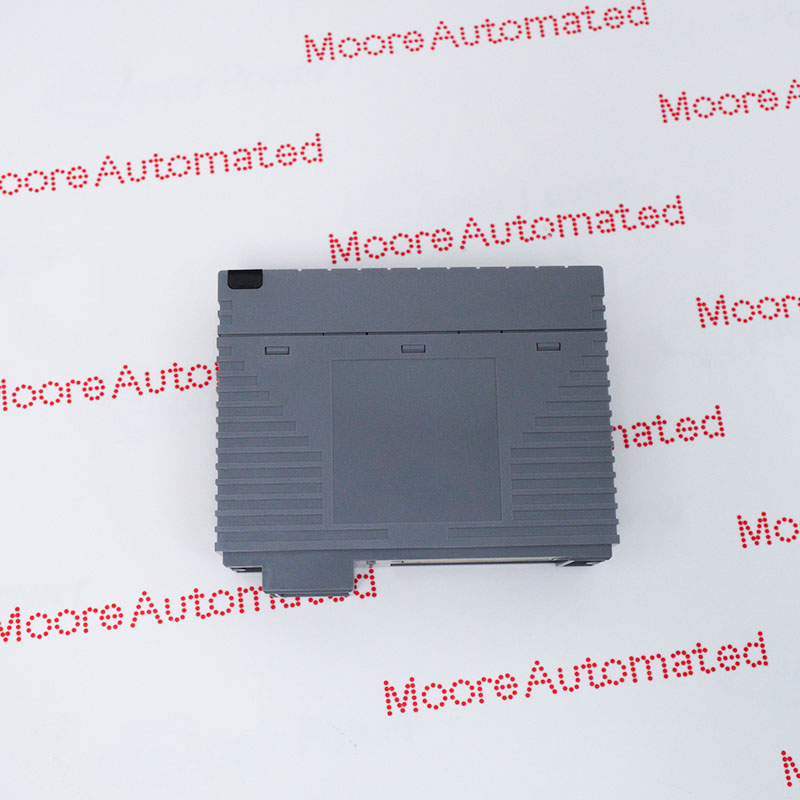
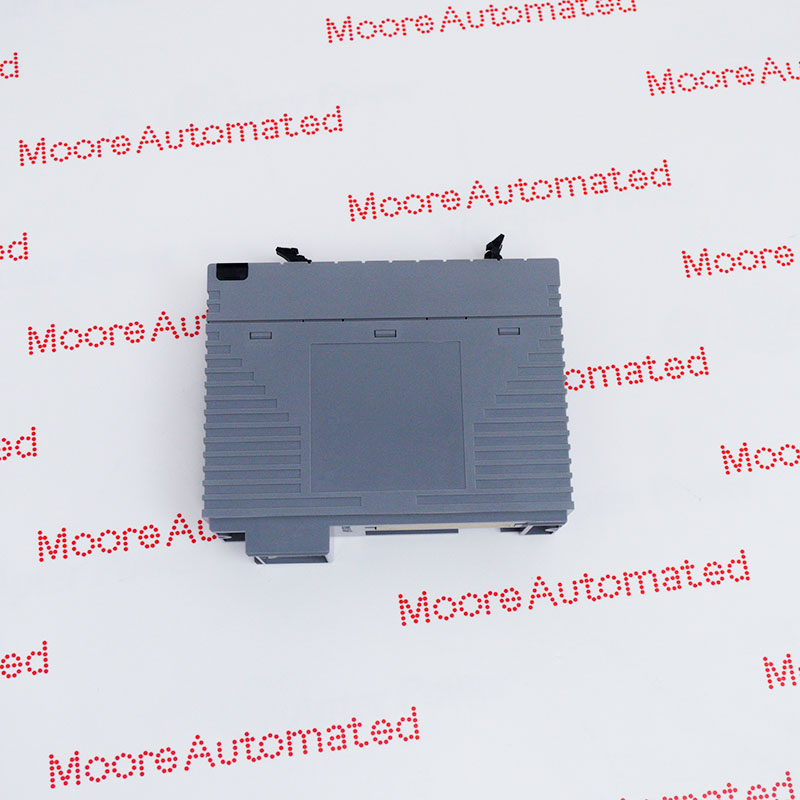
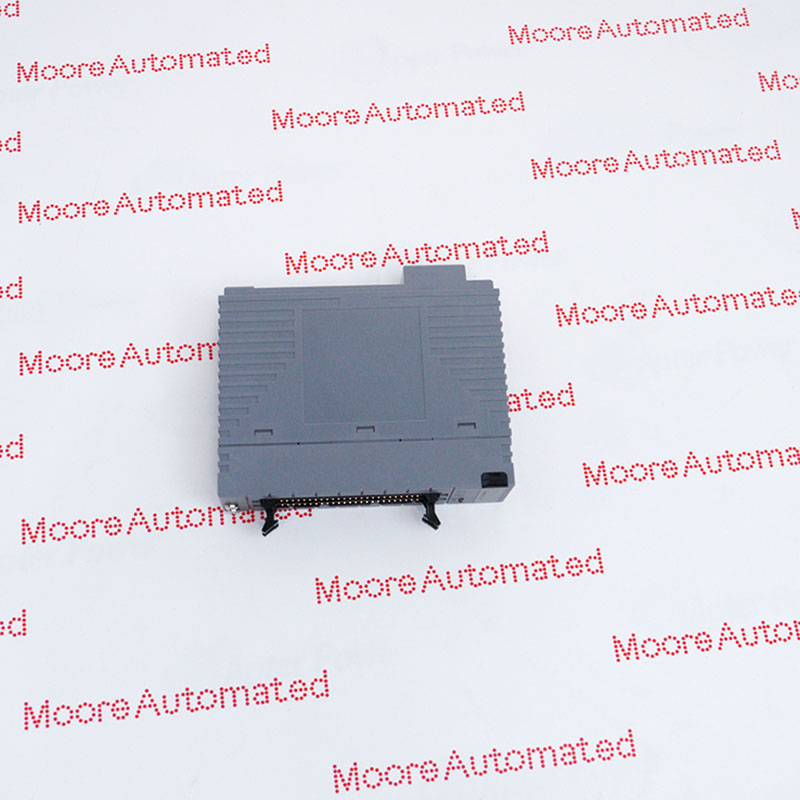
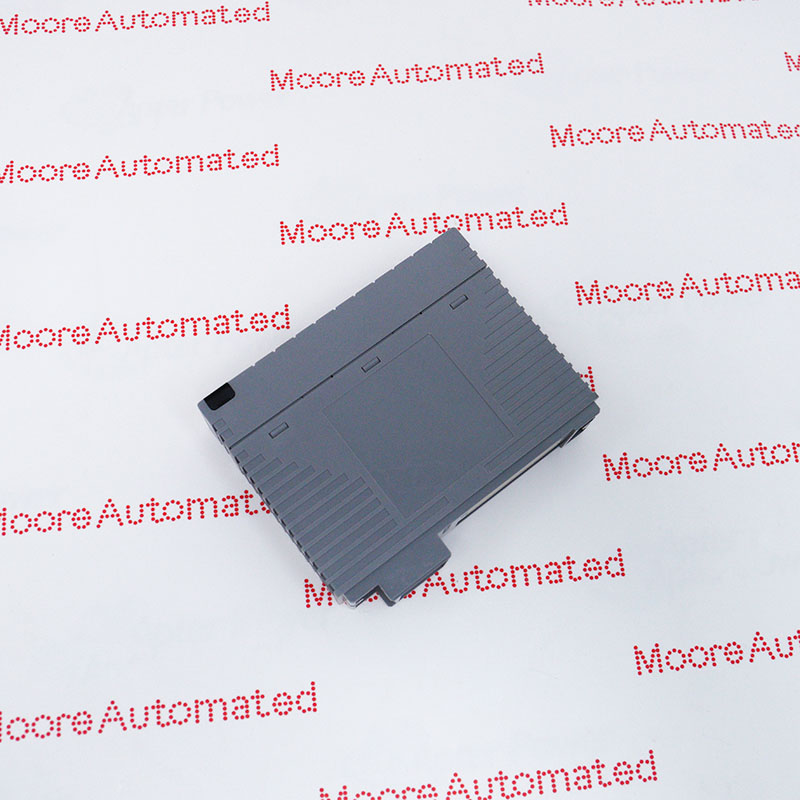
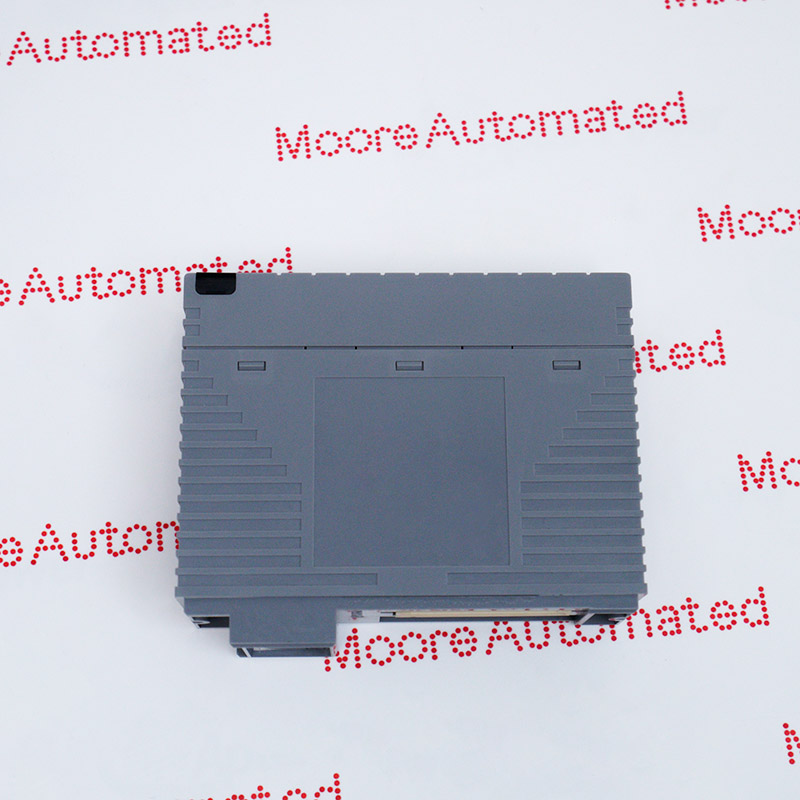
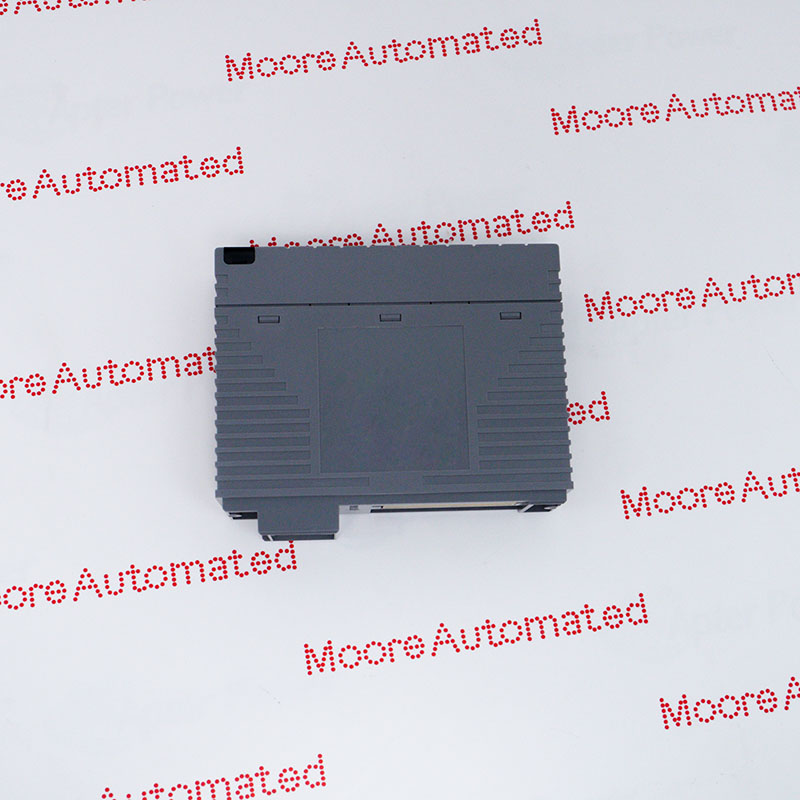
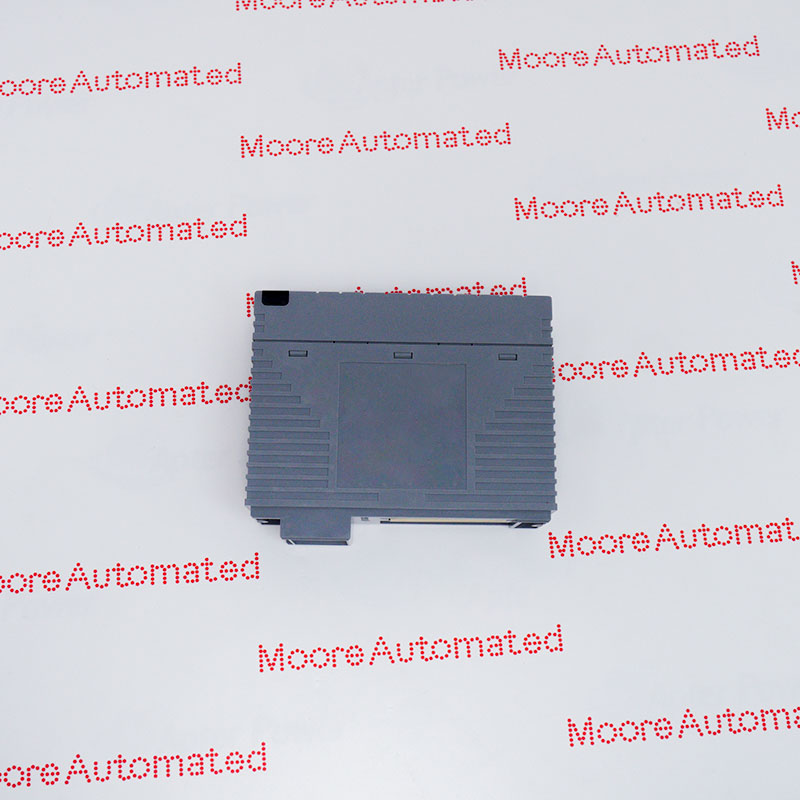
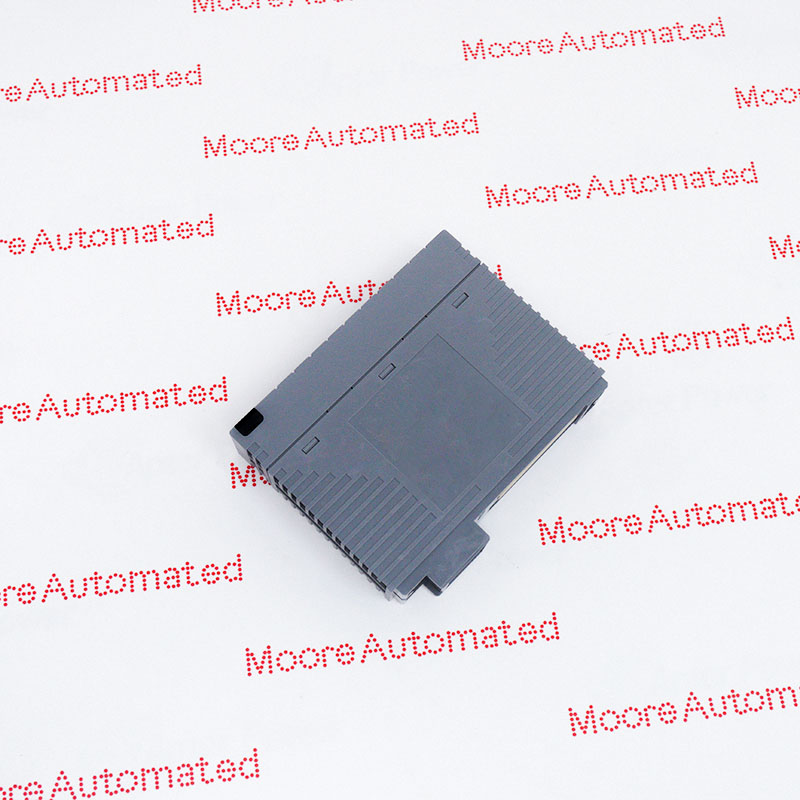
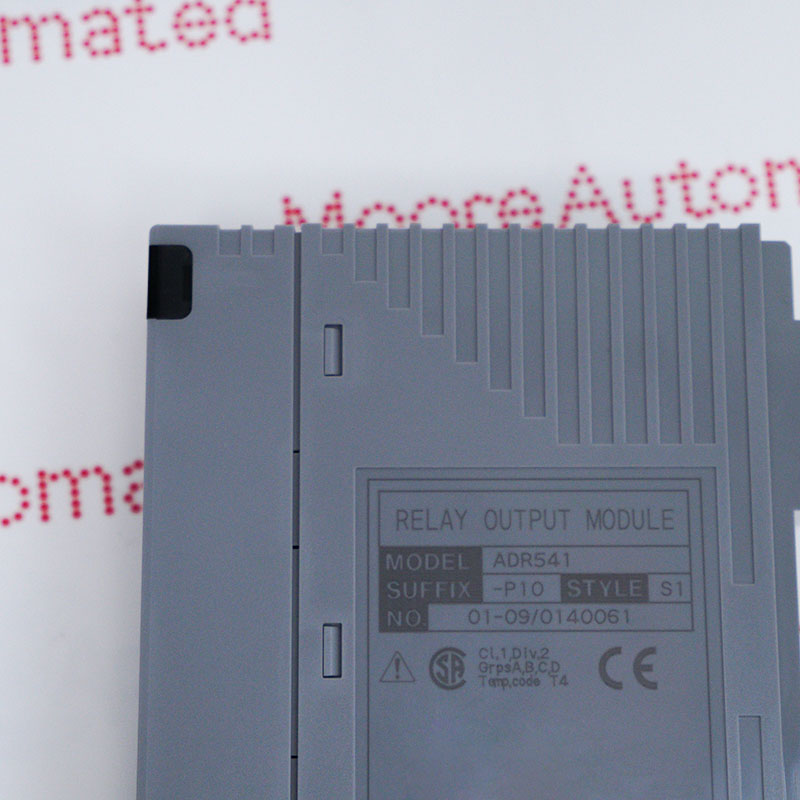
- 16-channel relay output module
- Relay Output Module (24 to 110 V DC/100 to 240 V AC, Isolated)
- Specifically within the CENTUM VP distributed control system (DCS)
Primarily used to provide a stable and reliable reference voltage for industrial automation, precision measurement, and data acquisition systems. This device features extremely high initial accuracy and extremely low temperature drift, maintaining long-term stable output even in complex industrial environments.
It provides a highly consistent reference voltage for analog-to-digital converters (ADCs), digital-to-analog converters (DACs), and various analog front-end circuits, significantly improving the measurement accuracy and repeatability of the system.
The ADR541-P10 YOKOGAWA Relay Output Module may still be available for purchase and support from Moore Automated Company beyond End-Of-Life (EOL) by the manufacturer (OEM).
YOKOGAWA ADR541-P10 Relay Output Module DATASHEET(manual), Link
Important Notice: Other accessories, manuals, cables, calibration data, software, etc. are not included with this equipment unless listed in the above stock item description. All prices are shown in USD.
The ADR541-P10 operates based on a highly stable bandgap reference architecture. This device generates a stable reference voltage that is virtually unaffected by temperature by accurately compensating for and calibrating the temperature characteristics of the transistor junction voltage. Its internal amplification and regulation circuitry further buffers and filters the output, providing a low-noise, low-drift, and highly stable reference voltage output.
This module is crucial in industries such as oil and gas, petrochemicals, power generation, and water treatment. Specific applications include:
- Motor and Pump Control: Switches 24V DC to 240V AC to start or stop pumps, motors, and fans.
- Solenoid Valve Actuation: Triggers the opening/closing of pneumatic or hydraulic valves in process lines.
- Safety Interlocks: Provides isolated "dry contact" signals for independent safety systems or emergency stop (ESD) circuits.
- Status Signals: Drives large indicator lights, alarms, or alarm panels to alert operators to plant operating conditions.