

Registered Address: 32D Floor Guomao Building, No.388, Hubin South Road, Siming District, Xiamen,Fujian, China
ISO 9001:2015 Certified
Our quality management system covers sourcing,testing and dispatch
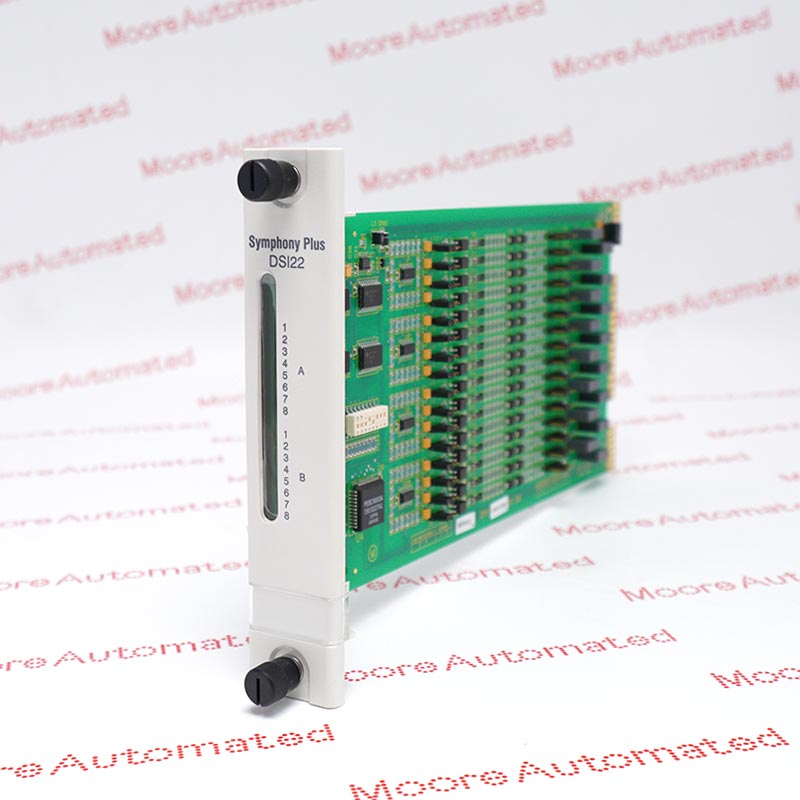
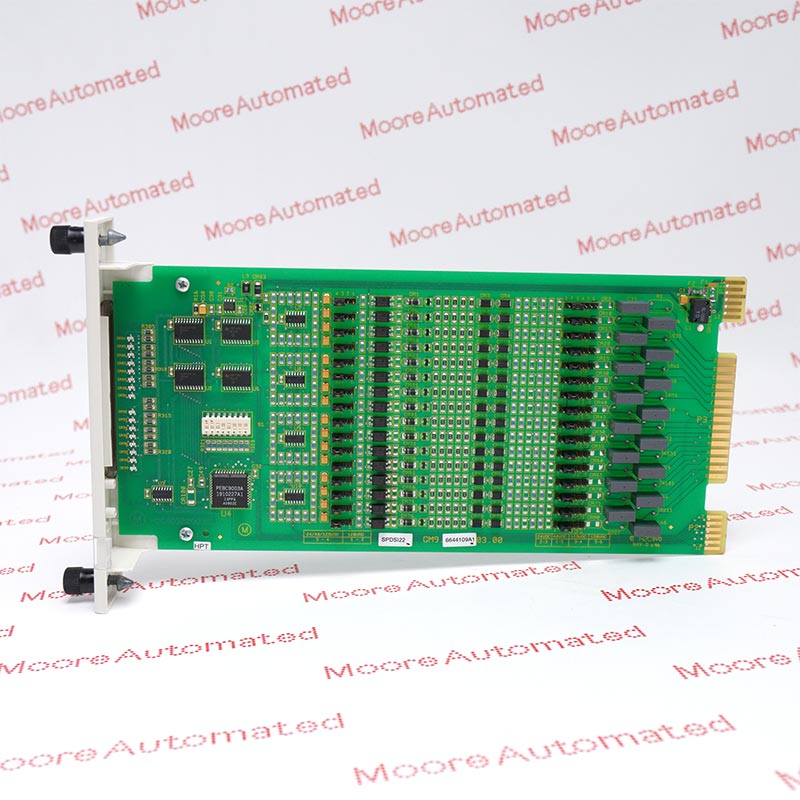
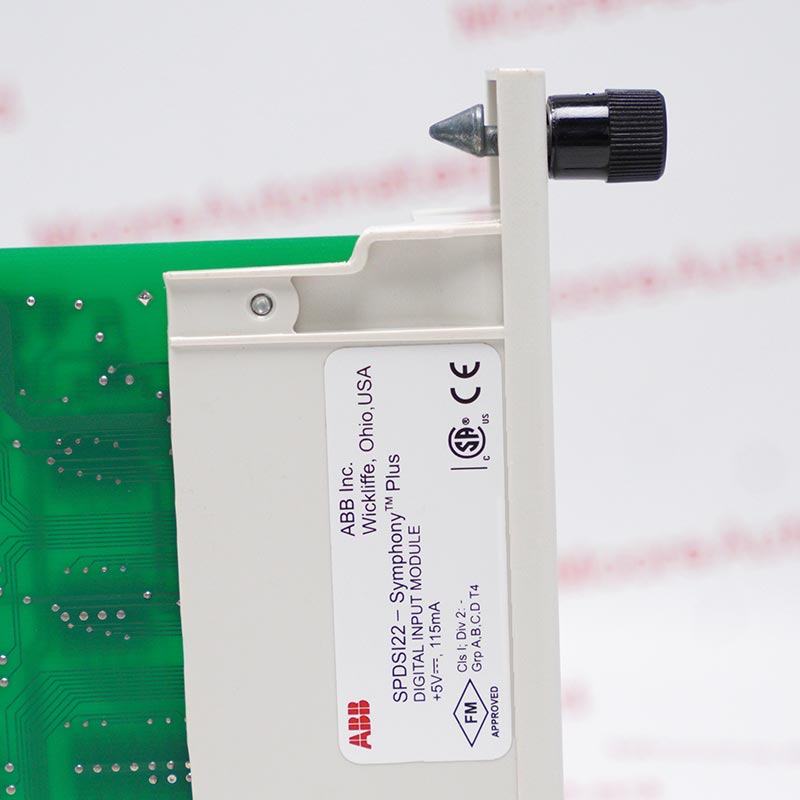
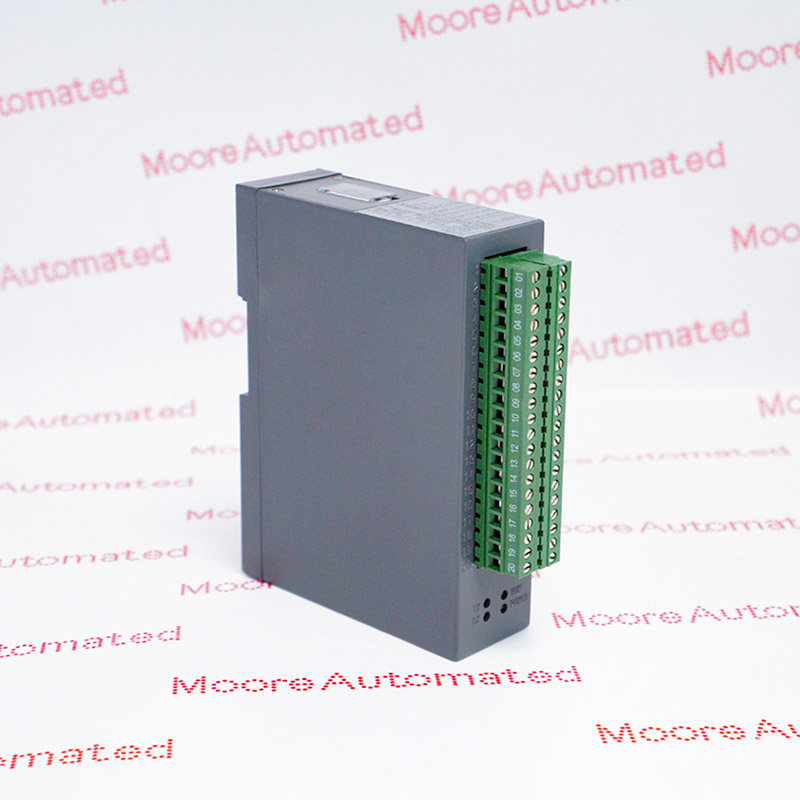
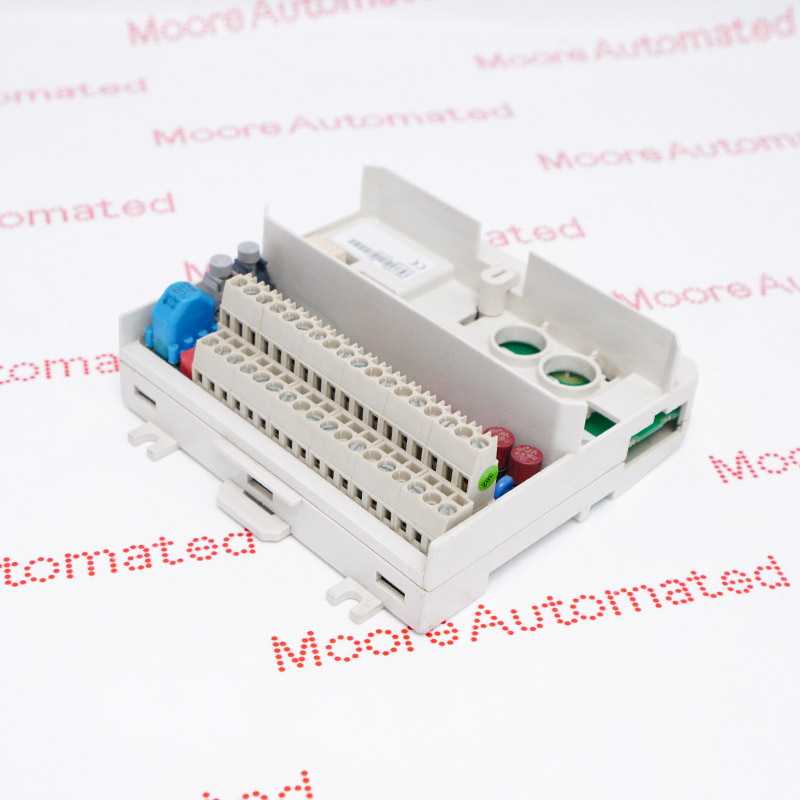
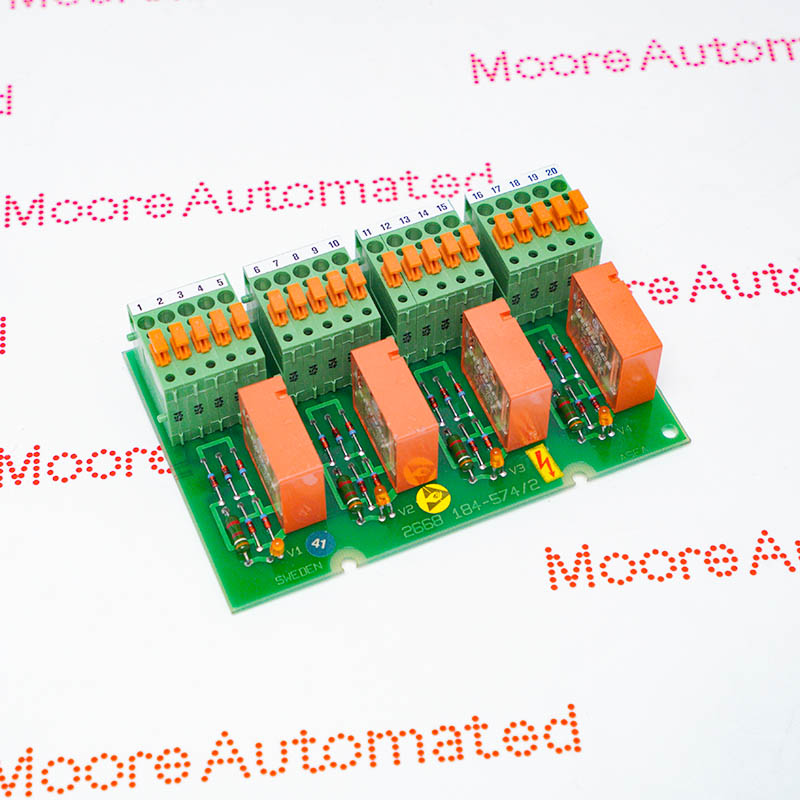
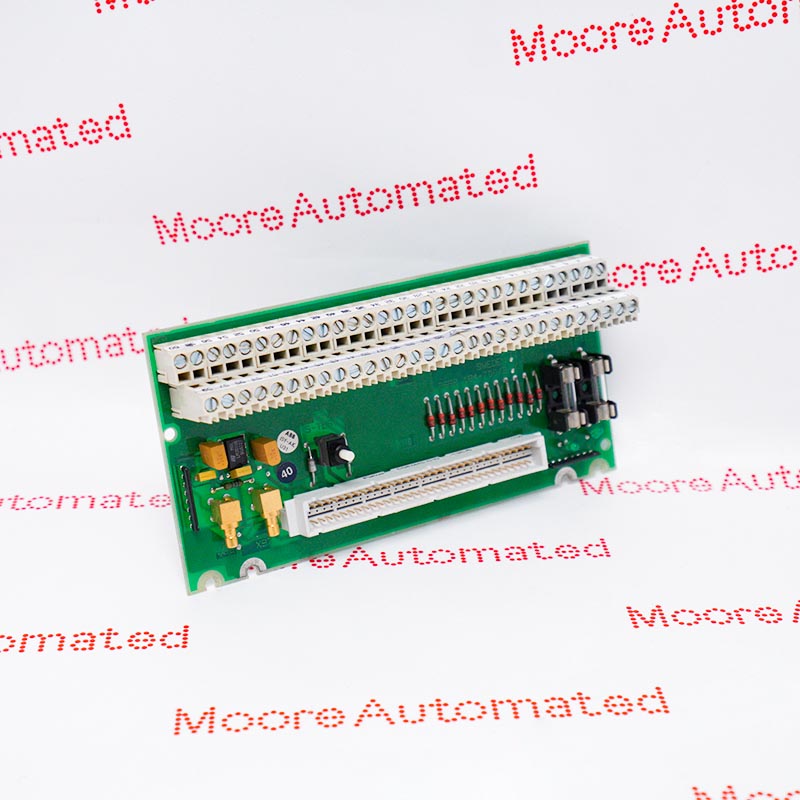
The ABB SPDSI22 is a high-performance digital input module (DI module) in ABB's Automation Systems family. It is a core component of the Symphony Plus process control system and the Harmony modular rack (S+ HR / Harmony Rack I/O) series. In large-scale distributed control systems (DCS), it serves as a dedicated unit for acquiring field switch signals, primarily used to receive and convert discrete state data from various industrial field switches, relays, and other devices.
Regarding its hardware configuration and core electrical parameters, the official description of the ABB SPDSI22 is "DI module, 16 channels, universal, 32 jumpers." This means the module has 16 digital input channels and adopts a universal design.
The ABB SPDSI22 integrates 32 internal jumpers, providing excellent voltage compatibility. Users can flexibly configure it to support various mainstream industrial input voltage ranges, including 24VDC, 48VDC, 125VDC, and 120VAC. This module can be directly inserted into the harmonic rack slot, providing high-real-time, high-reliability low-level status awareness support for intensive field devices in industries with extremely high requirements for continuity and stability, such as power, petrochemicals, and water treatment.

Registered Address: 32D Floor Guomao Building, No.388, Hubin South Road, Siming District, Xiamen,Fujian, China
MooreAutomated.com is the official website and primary online platform operated by Moore Automation Limited. The website provides information about the company’s industrial automation parts sourcing services, product coverage and customer support. Moore Automation Limited operates as an independent supplier and is not an authorized distributor or representative of the manufacturers displayed on this website unless expressly stated.