Overview
Manuals
Working Principle
Application Differences (H2B vs. H1B)
Features:
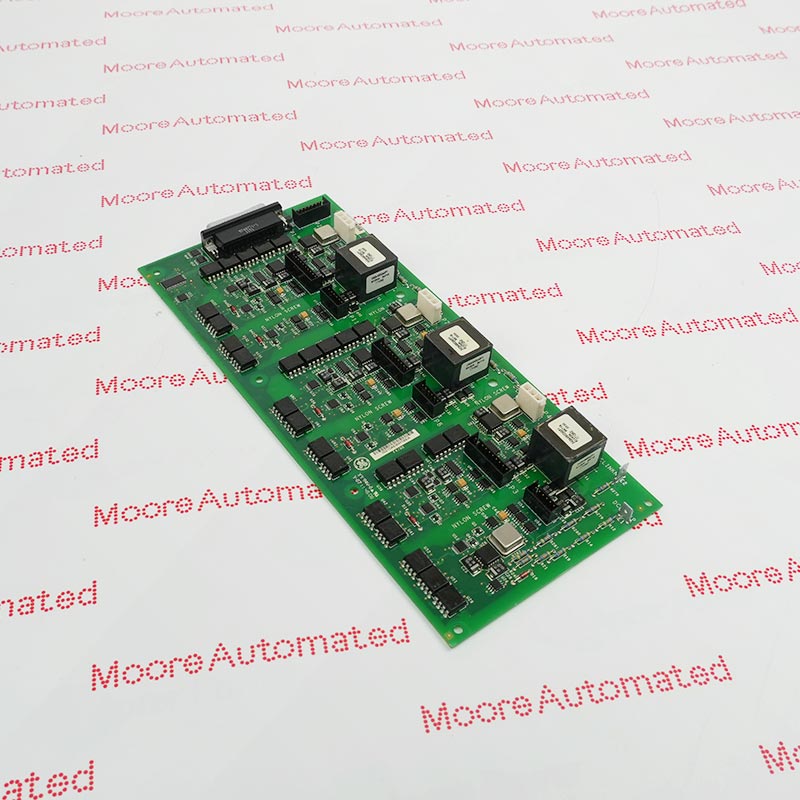
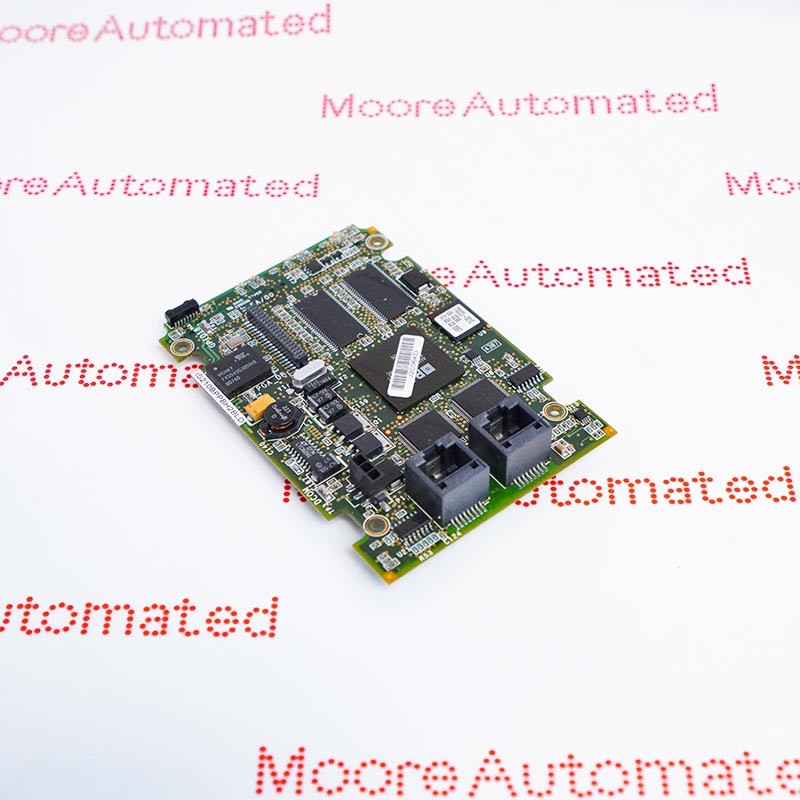
- IS215VPROH2B VME PROTECTION CARD
- CONDITION GENERAL ELECTRIC MARK VI E TURBINE
- Protection Assembly Mark VI Turbine Control System Series
The IS215VPROH2B is the turbine protection board (VPRO) in the GE Mark VI Speedtronic control system. Its core function is to provide independent emergency overspeed protection (EOS) and emergency tripping functions for gas turbines or steam turbines, ensuring safe shutdown even in the event of a main control system failure.
This board integrates nine thermocouple inputs and multiple analog inputs, primarily used to monitor exhaust temperature and critical operating parameters to prevent major accidents such as overheating.
The IS215VPROH2B GENERAL ELECTRIC VME PROTECTION CARD may still be available for purchase and support from Moore Automated Company beyond End-Of-Life (EOL) by the manufacturer (OEM).
GENERAL ELECTRIC IS215VPROH2B VME PROTECTION CARD INFO (manual), Link
Important Notice: Other accessories, manuals, cables, calibration data, software, etc. are not included with this equipment unless listed in the above stock item description. All prices are shown in USD.
The IS215VPROH2B employs a dual-voting logic combining hardware and software. It acquires turbine speed pulses in real time via a magnetic speed sensor and compares the measured values with preset safety thresholds using an onboard processor. When overspeed is detected or tripping conditions are met, three parallel VPRO boards output a signal to the TREG relay board via a "two-out-of-three" voting mechanism. The relay then cuts off the 125V DC power supply, causing the trip solenoid valve to activate and quickly cut off the fuel or steam supply.
H2B is a dedicated "low-power" version of the VPRO component:
Terminal Board Support: H2B supports only one TREG terminal board. If your application requires a second TREG board (connected via a J4 connector), you must use the IS215VPROH1B.
TMR Architecture: It is almost always deployed in a Tri-Module Redundancy (TMR) configuration, where three independent VPRO boards (R8, S8, T8) work together in a dedicated protection module.