

Registered Address: 32D Floor Guomao Building, No.388, Hubin South Road, Siming District, Xiamen,Fujian, China
ISO 9001:2015 Certified
Our quality management system covers sourcing,testing and dispatch
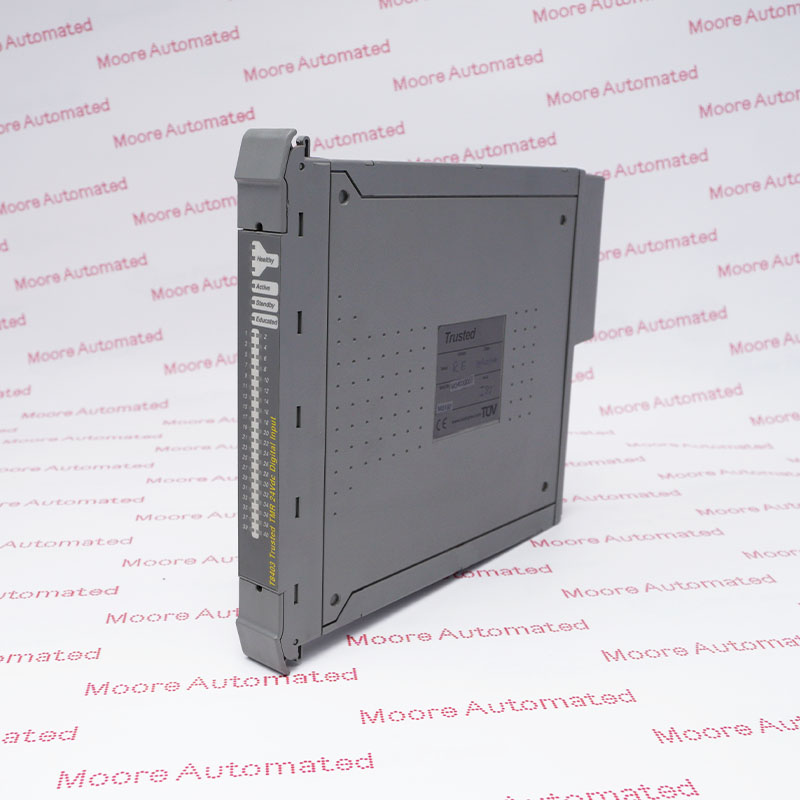
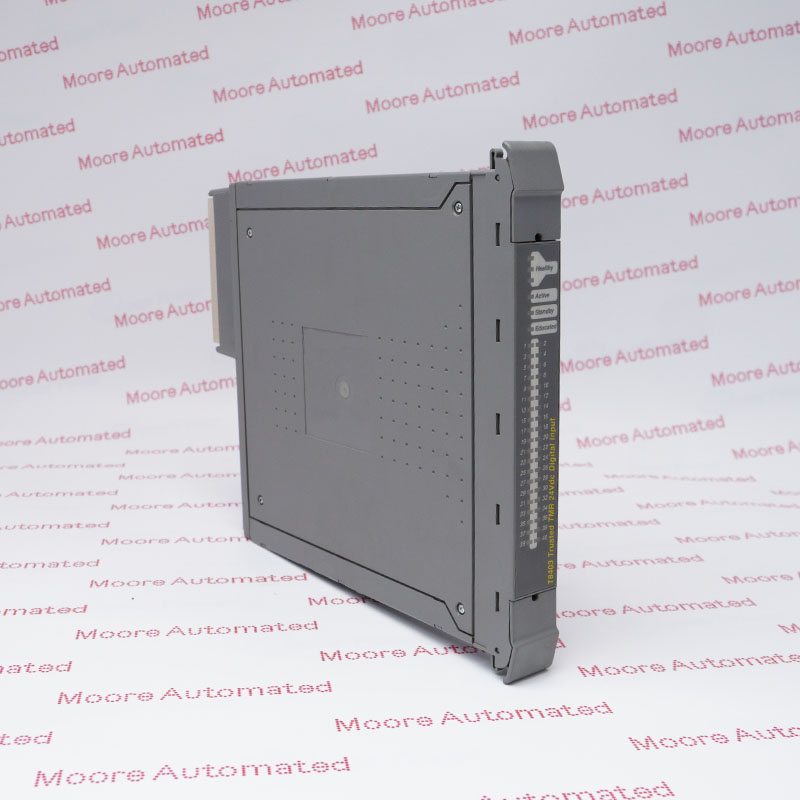
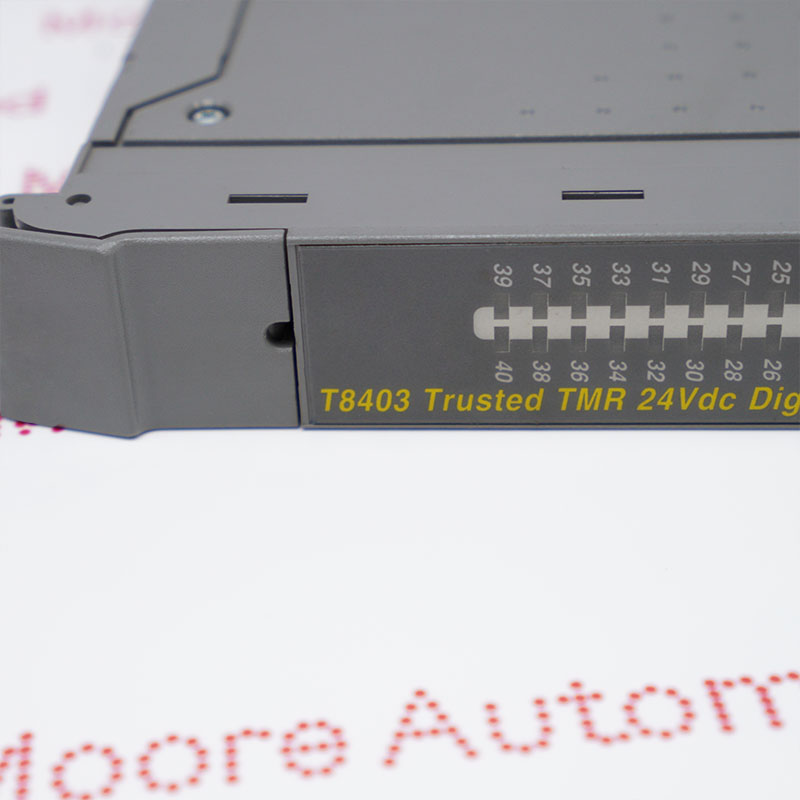
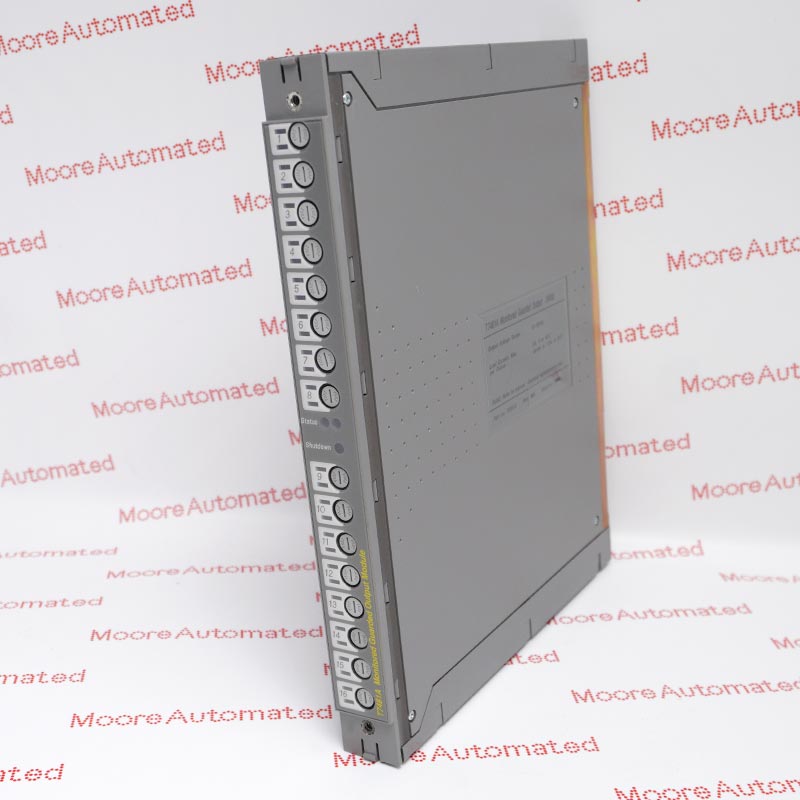
ICS Triplex T8403 is a Trusted triple-modular-redundant 24 V DC digital input module with forty field-input channels. Use T8403 only in the documented Trusted safety systems installation whose hardware, wiring and configuration match this exact execution. Confirm T8403, chassis position, field termination, 24 V DC supply, channel thresholds, wiring and safety application before replacement.
T8403 must be matched to the receiving equipment and project record. Verify module diagnostics, channel state changes and configured interlocks through the approved safety-system proof procedure.
Use the forty channels with the documented field termination and contact-wetting arrangement.
Preserve channel assignments, thresholds, polarity and safety-application mapping.
Prove diagnostics and selected field-state transitions under the approved proof-test procedure.
T8403 provides forty high-integrity 24 V DC digital input channels using a triple-modular-redundant architecture. Match field termination and configured state logic.
Confirm the 20–32 V DC supply, 0–40 V DC input range and every documented interlock. Record controlled state changes without defeating required safety functions.
Availability and lifecycle status are confirmed for the exact T8403 at quotation.
Moore Automated verifies the supplied condition, included items and installed-system match against the complete manufacturer identity.

Registered Address: 32D Floor Guomao Building, No.388, Hubin South Road, Siming District, Xiamen,Fujian, China
MooreAutomated.com is the official website and primary online platform operated by Moore Automation Limited. The website provides information about the company’s industrial automation parts sourcing services, product coverage and customer support. Moore Automation Limited operates as an independent supplier and is not an authorized distributor or representative of the manufacturers displayed on this website unless expressly stated.