Overview
Manuals
Principle
Features:
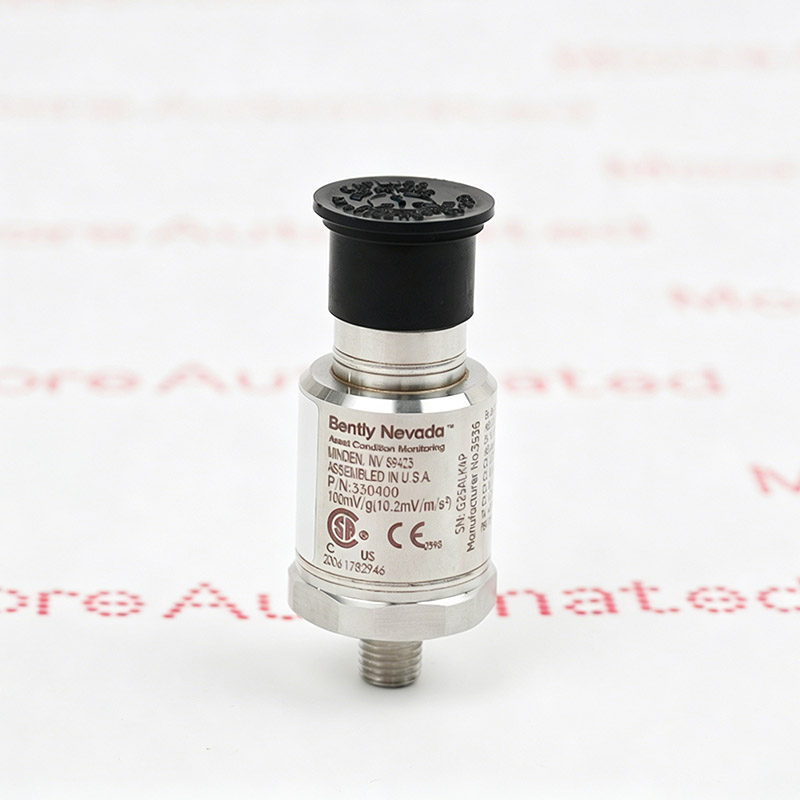
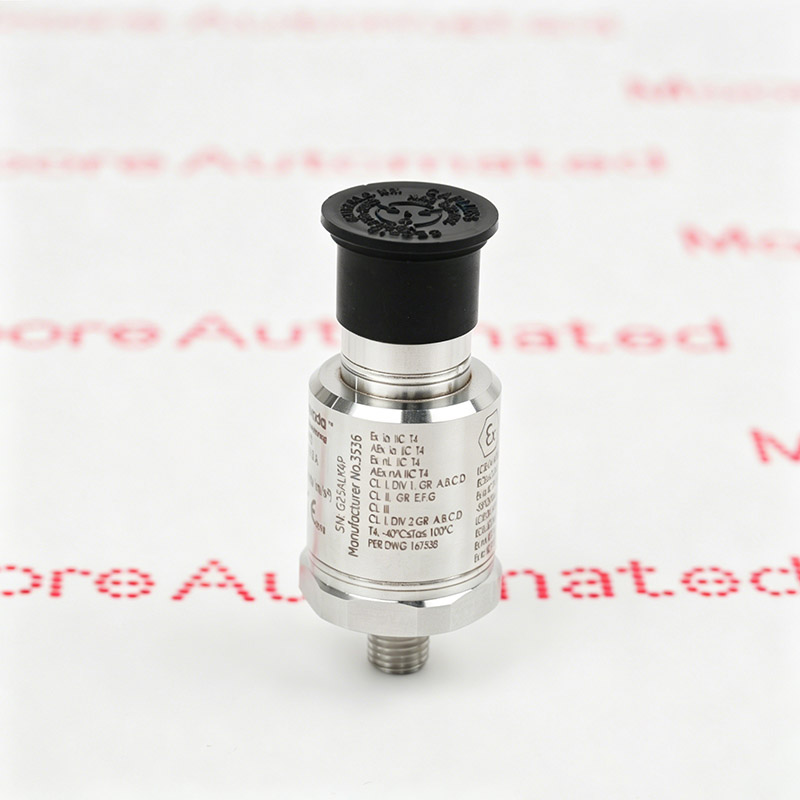
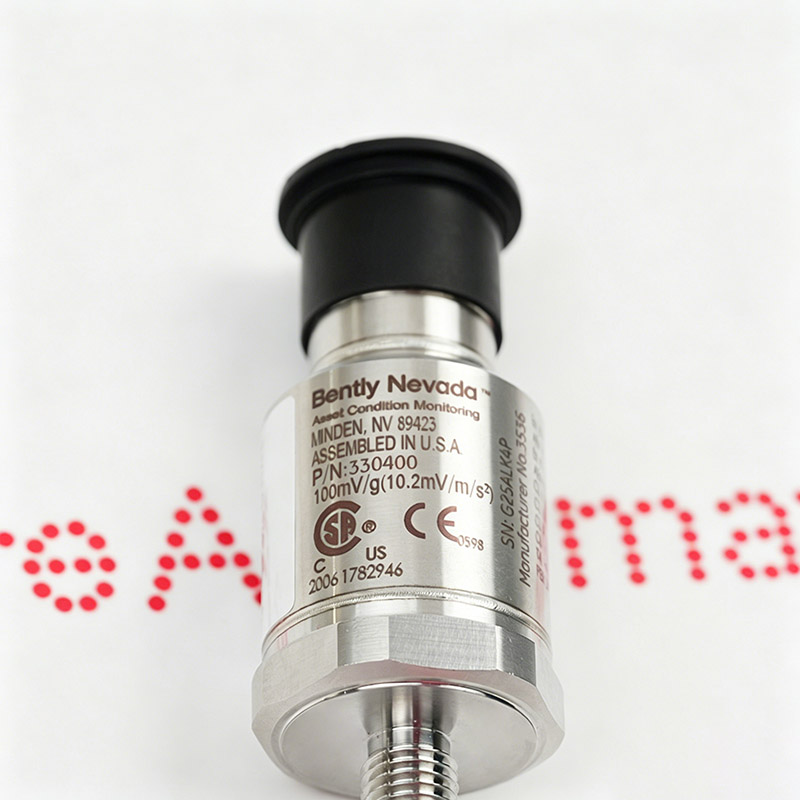
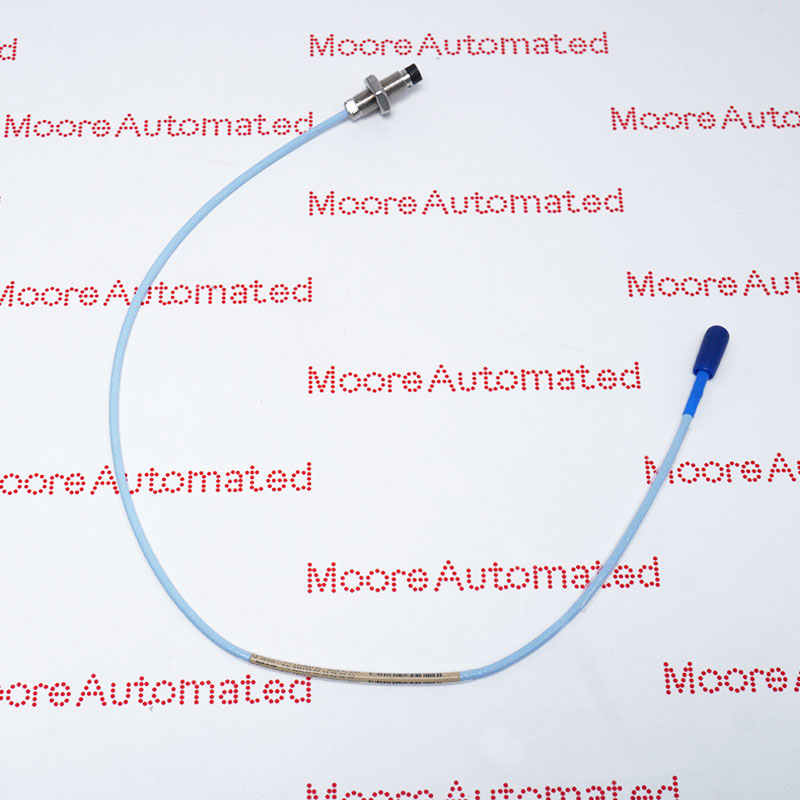
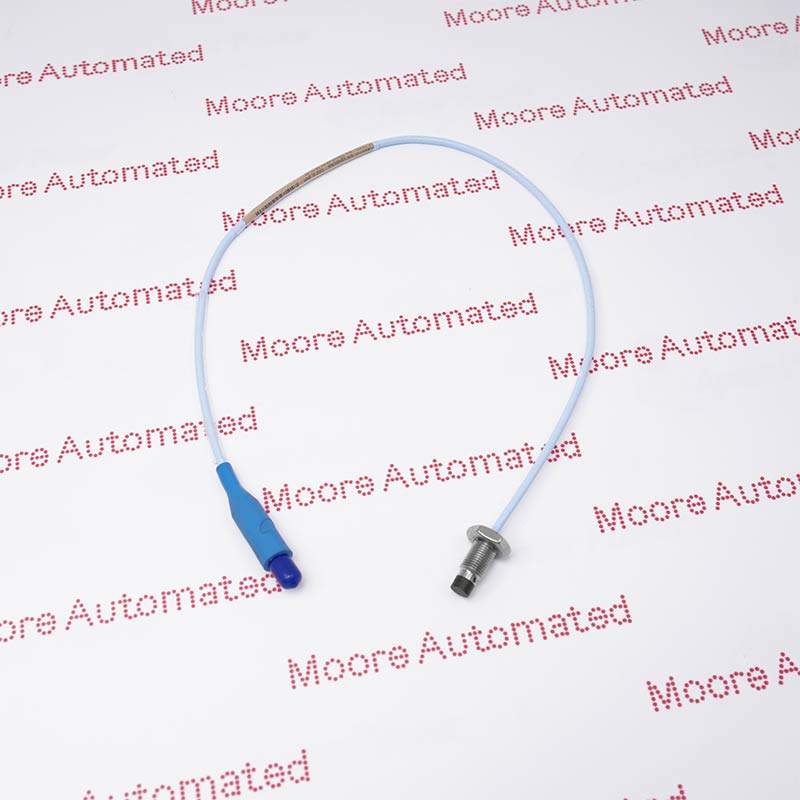
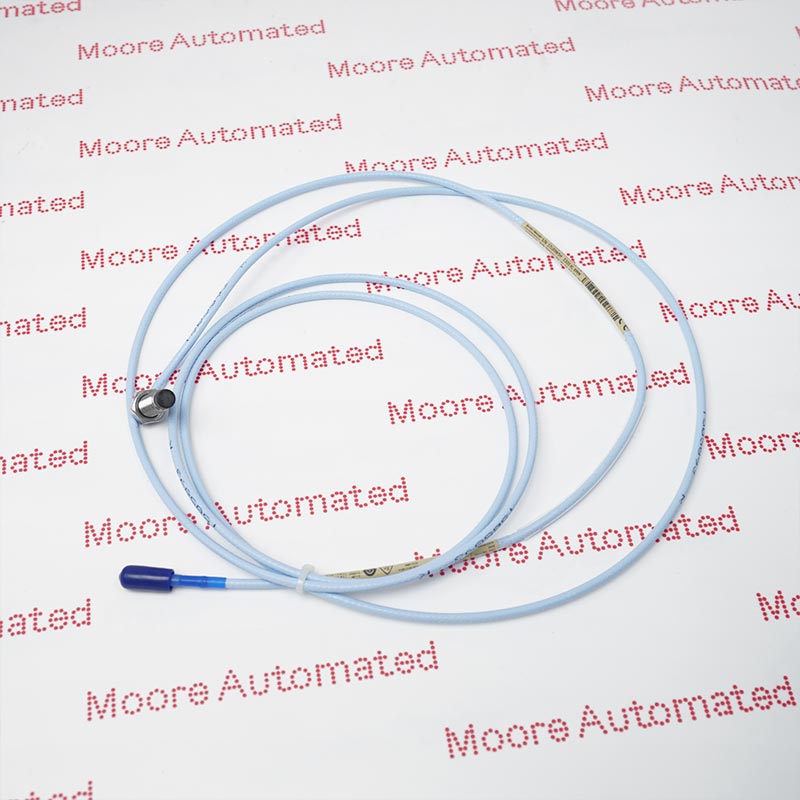
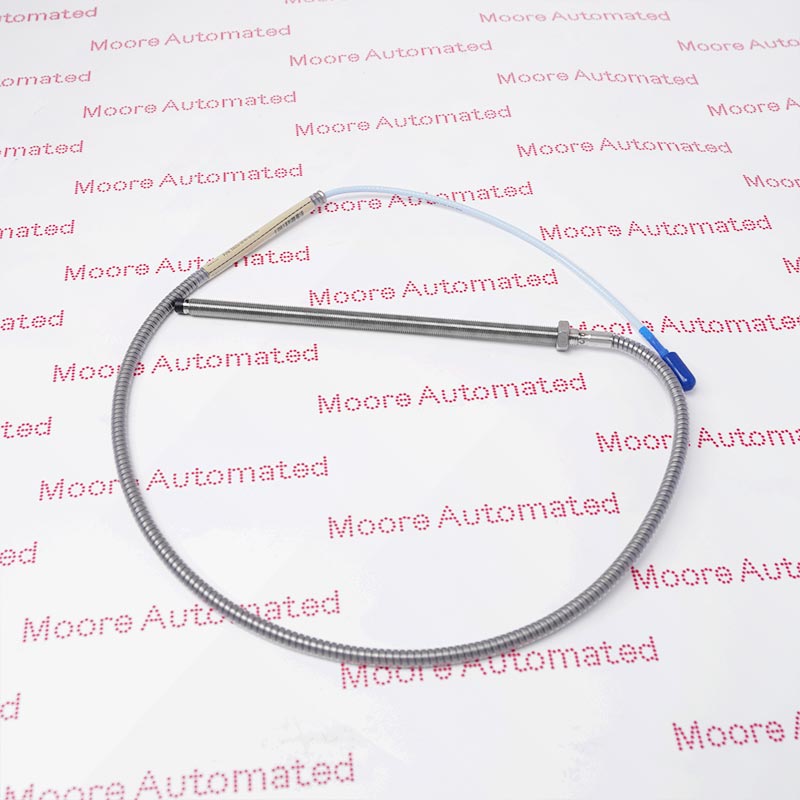
- 330400 Accelerometer
- 330400 and 330425 Accelerometer Acceleration Transducers
- It provides an amplitude range of 50 g peak and a sensitivity of 100 mV/g
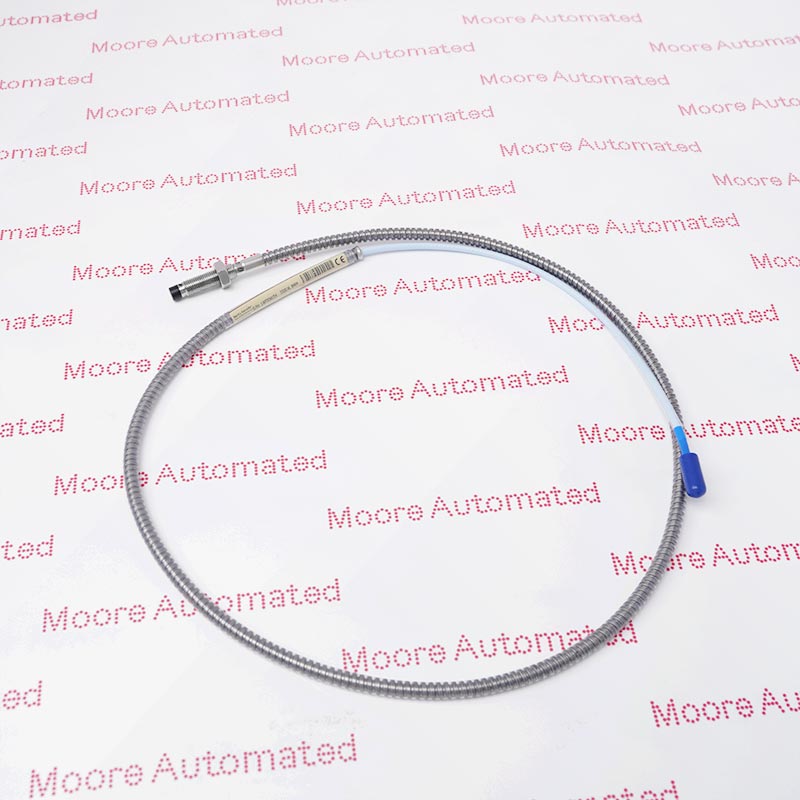
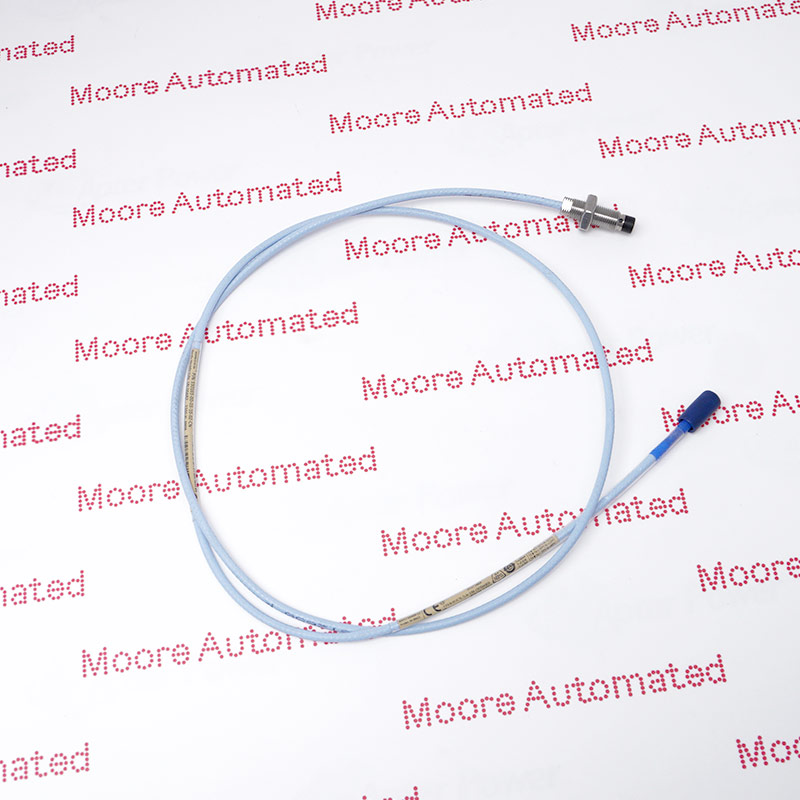
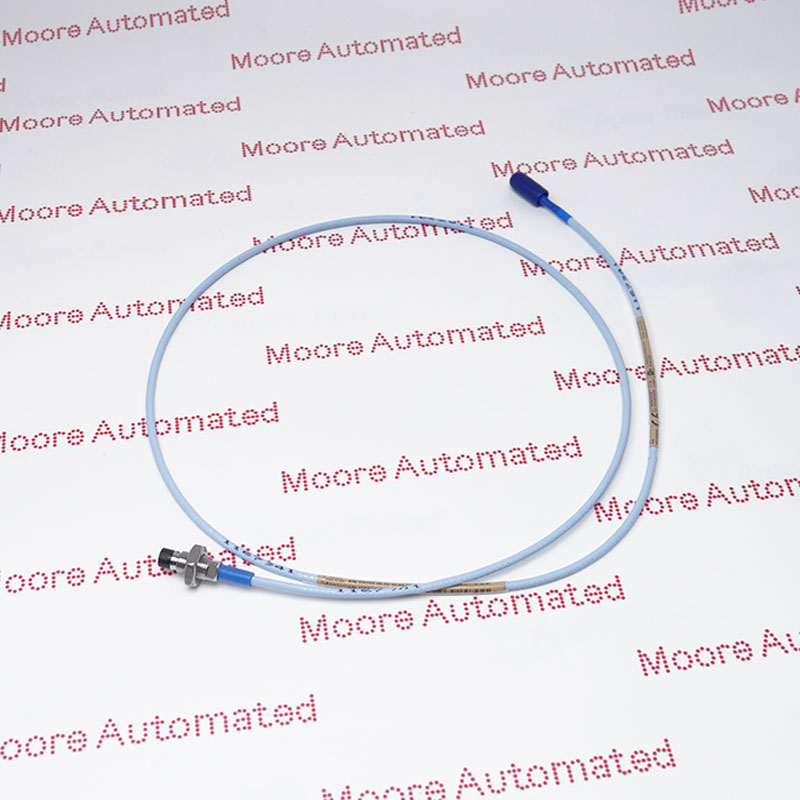
These accelerometers are intended for critical machinery applications where casing acceleration measurements are required, such as gear mesh monitoring. The 330400 is designed to address the requirements of American Petroleum Institute Standard 670 for accelerometers. It provides an amplitude range of 50 g peak and a sensitivity of 100 mV/g. The 330425 is identical except it provides a larger amplitude range (75 g peak) and a sensitivity of 25 mV/g.
From an application perspective, the 330400-02-CN offers a wide frequency response and stable sensitivity, enabling accurate detection of mechanical anomalies such as imbalance, misalignment, bearing defects, and structural resonance. Designed for industrial-grade durability, it withstands harsh environmental conditions including temperature variations, humidity, and electromagnetic interference. Its standardized output characteristics ensure compatibility with vibration monitors, PLC input modules, and condition monitoring systems.
The 330400-02-CN Bently Nevada Accelerometer may still be available for purchase and support from Moore Automated Company beyond End-Of-Life (EOL) by the manufacturer (OEM).
Bently Nevada 330400-02-CN Accelerometer Manuals(Datasheets), Link
Important Notice: Other accessories, manuals, cables, calibration data, software, etc. are not included with this equipment unless listed in the above stock item description. All prices are shown in USD.
The 330400-02-CN operates based on piezoelectric acceleration sensing technology. Inside the sensor, a piezoelectric crystal element generates an electric charge proportional to the applied mechanical acceleration. When the machine casing vibrates, the internal shock-absorbing mass applies a force to the crystal, generating a voltage signal corresponding to the vibration acceleration. This signal is processed internally and transmitted to external monitoring equipment, where its amplitude, frequency components, and overall vibration intensity can be analyzed.