

Registered Address: 32D Floor Guomao Building, No.388, Hubin South Road, Siming District, Xiamen,Fujian, China
ISO 9001:2015 Certified
Our quality management system covers sourcing,testing and dispatch
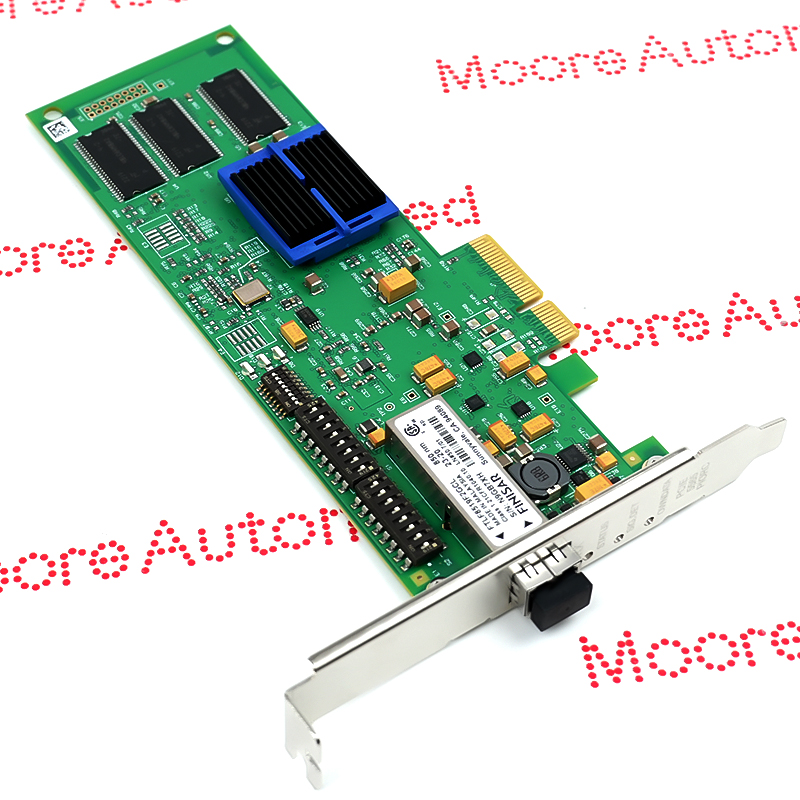
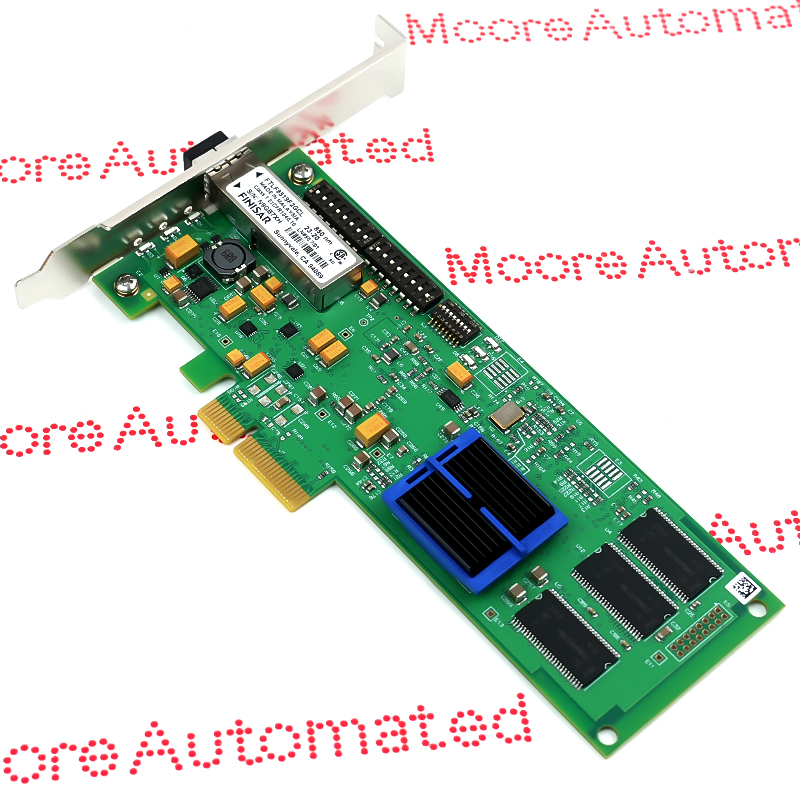
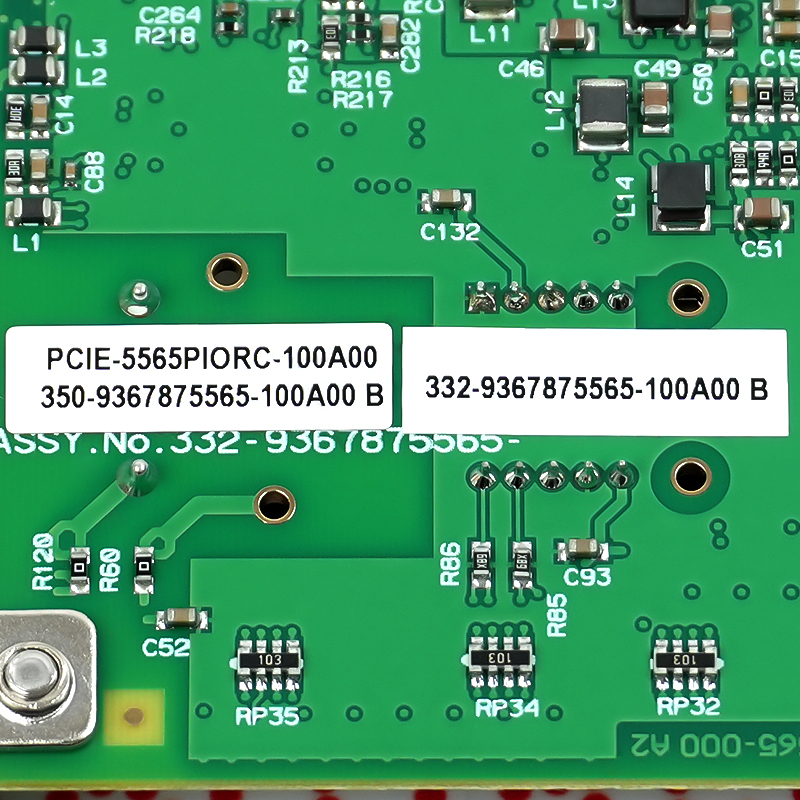
The PCIE-5565PIORC-100A00 is a high-performance reflective memory card from Abaco Systems (formerly GE Fanuc/VMIC). It utilizes a low-profile PCI Express (PCIe) bus interface, features 128 MB of onboard SDRAM high-speed local cache, and integrates a multimode fiber optic interface. This card supports the construction of high-speed, deterministic, zero-latency real-time shared memory networks between standalone computers or embedded systems.
In terms of core performance and technological advantages, the PCIE-5565PIORC-100A00 boasts serial connection speeds up to 2.12 Gbaud and supports sustained data transfer rates from 43 MB/s to 170 MB/s. Its biggest highlight is its completely transparent data transfer mechanism: when a local node writes data to the onboard memory, the data is automatically broadcast through the fiber optic network and synchronized to all other nodes in the network. The entire process does not consume CPU resources, and the network synchronization latency between nodes is only in the microsecond range (approximately 450 to 500 nanoseconds).
Furthermore, this PIO version improves the read performance of programmable I/O, supports field firmware upgrades, and can scale up to 256 nodes per network. In terms of application scenarios and compatibility, this product is widely used in real-time control applications with extremely high requirements for data determinism and ultra-low latency, such as flight and simulator trainers, industrial process control, automated testing systems, radar data acquisition, and power SCADA systems.

Registered Address: 32D Floor Guomao Building, No.388, Hubin South Road, Siming District, Xiamen,Fujian, China
MooreAutomated.com is the official website and primary online platform operated by Moore Automation Limited. The website provides information about the company’s industrial automation parts sourcing services, product coverage and customer support. Moore Automation Limited operates as an independent supplier and is not an authorized distributor or representative of the manufacturers displayed on this website unless expressly stated.